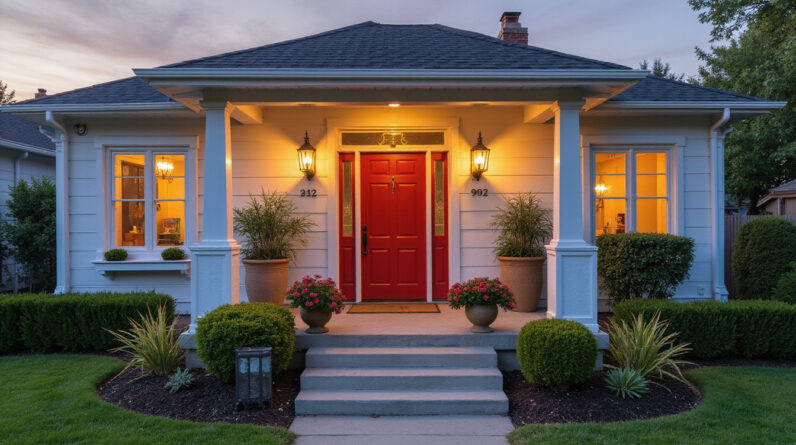


In today’s increasingly automated world, lighting controls have become an essential component of modern buildings and homes. They not only improve energy efficiency but also provide unparalleled convenience and safety. Whether you’re looking to reduce your energy consumption, create personalized lighting scenes, or simply make your space more user-friendly, understanding the fundamentals of effective lighting controls is crucial. In this article, we’ll explore how lighting controls work, their benefits, and practical strategies to optimize your lighting setup.

What Are Lighting Controls?
Lighting controls refer to systems and devices that manage the operation of lighting fixtures. Instead of manually switching lights on or off, these controls offer automation, dimming, scheduling, and sensor-based activation. Modern lighting controls can range from simple timers to sophisticated networked systems integrated with smart home platforms.
In essence, lighting controls enhance both energy efficiency and user experience by intelligently managing how and when lights are used.
Benefits of Implementing Lighting Controls
Adopting effective lighting controls offers numerous advantages, including:
- Energy Conservation: Proper controls reduce unnecessary energy use by automatically turning off lights when not needed or adjusting brightness levels.
- Cost Savings: Lower energy consumption translates into reduced utility bills.
- Enhanced Comfort and Convenience: Users can customize lighting scenes, set schedules, and enjoy seamless automation.
- Improved Safety: Motion sensors and timers can illuminate pathways, reducing the risk of accidents.
- Extended Lamp Life: Dimming and reduced operational hours can prolong the lifespan of lighting fixtures.
Types of Lighting Controls
Understanding the various types of lighting controls available is vital to selecting the right system for your needs. Here are the main categories:
1. Manual Controls
- Switches and Dimmers: Basic devices that allow manual operation and adjustment of brightness levels.
- Remote Control Switches: Wireless remotes enabling easy control from a distance.
2. Sensor-Based Controls
- Occupancy Sensors: Detect motion or presence to turn lights on or off automatically.
- Photocells: Adjust lighting based on ambient natural light levels, conserving energy during daylight hours.
3. Automated and Programmable Controls
- Timers: Schedule lights to operate at specific times.
- Smart Lighting Systems: Use apps or voice commands for remote and automated control, often integrating with home automation platforms.
4. Networked Lighting Controls
- Enable centralized management of multiple lighting zones through a digital network, facilitating advanced features like scene setting and analytics.
How to Choose the Best Lighting Control System
Selecting an appropriate lighting control system depends on factors such as building size, usage patterns, budget, and desired features. Here’s a simplified decision guide:
| Consideration | Recommendations |
|---|---|
| Energy Saving Goals | Use occupancy sensors and daylight harvesting controls |
| Ease of Use | Opt for user-friendly smart systems with app interfaces |
| Scalability | Choose modular systems that can grow with your needs |
| Cost | Balance initial investment against long-term savings |
| Compatibility | Ensure integration with existing lighting fixtures and platforms |
Practical Strategies for Effective Lighting Control Implementation
To maximize benefits, follow these practical steps:
- Assess Natural Light Sources: Use daylight sensors or photocells to adjust artificial lighting based on available sunlight.
- Segment Your Space: Divide your space into zones (e.g., task areas, hallways) and assign specific controls for each.
- Prioritize Occupancy Sensors in High-Traffic Areas: These sensors help eliminate unnecessary lighting in hallways, restrooms, or conference rooms.
- Incorporate Scene Settings: Predefine lighting scenes for different activities like reading, entertaining, or working.
- Regularly Review and Adjust Settings: Fine-tune schedules and sensor sensitivities periodically to match occupancy patterns.
Top 5 Effective Lighting Control Strategies for Energy Efficiency
Implementing the right strategies can significantly cut energy costs and enhance lighting convenience. Here’s a summarized list:
- Use occupancy sensors in frequently used areas to turn lights off when unoccupied.
- Integrate daylight harvesting controls with photocells to reduce artificial lighting during daylight hours.
- Install programmable timers to automate lighting schedules outside of peak hours.
- Employ dimmable lighting with manual or automated dimming controls to adjust brightness based on activity.
- Adopt smart lighting systems compatible with voice assistants or mobile apps for effortless control.
FAQ on Lighting Controls
Q1: How do lighting controls improve energy efficiency?
A: Lighting controls optimize energy use by automating ON/OFF schedules, dimming lights when full brightness isn’t necessary, and responding to occupancy and natural light—reducing unnecessary energy consumption and lowering utility bills.
Q2: What are the best lighting controls for a residential home?
A: For homes, smart lighting systems with app control, occupancy sensors for hallways and bathrooms, and dimmers for living spaces are highly effective in providing convenience and energy savings.
Q3: Can lighting controls be integrated into existing systems?
A: Yes, many modern lighting controls are designed for retrofit installation. They can often integrate with existing fixtures and home automation systems, providing seamless operation and centralized management.
External Resources for Further Learning
For an in-depth understanding of lighting controls and their benefits, the U.S. Department of Energy offers authoritative guidelines and technical information. Explore their comprehensive lighting controls resources to learn more about efficient lighting design and implementation.
Conclusion
Effective lighting controls are essential for creating energy-efficient, convenient, and safe environments. By understanding the different types of controls and strategically implementing them, homeowners and facility managers can realize significant cost savings, enhance user experience, and contribute to sustainability efforts. Whether upgrading an existing space or designing a new building, investing in modern lighting control systems is a wise choice.
Don’t wait—transform your space today with intelligent lighting solutions and enjoy the benefits of smarter, greener lighting. Take the first step toward enhanced energy efficiency and user convenience by consulting with a lighting professional or automation expert now!