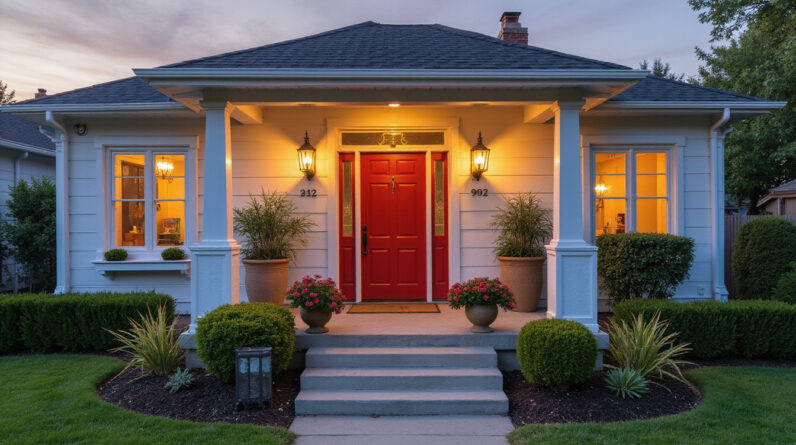


When it comes to enhancing your home’s exterior, siding installation is one of the most effective ways to boost curb appeal instantly. Not only does new siding provide protection against the elements, but it also refreshes the look of your house, making it more attractive and increasing its value. Whether you’re a DIY enthusiast or planning to hire professionals, understanding the key tips for siding installation can make all the difference in achieving a flawless exterior finish.

In this comprehensive guide, we’ll walk you through essential siding installation tips that ensure durability, beauty, and an impressive upgrade to your home’s facade.
Why Siding Installation Matters for Curb Appeal
Siding acts as the first defense against weather conditions, but it also plays a critical role in the overall aesthetic of your home. Poorly installed or outdated siding can detract from your property’s appearance, while well-chosen and properly installed siding can highlight architectural features and create a welcoming impression.
Installing siding correctly improves insulation and energy efficiency, reduces maintenance needs, and helps protect your home from pests and moisture damage. These benefits, combined with a fresh, modern look, make siding installation a worthwhile investment for any homeowner aiming to enhance curb appeal instantly.
Choosing the Right Siding Material for Your Home
Before starting the siding installation process, selecting the right material is crucial. Here are some popular siding options to consider:
- Vinyl Siding: Durable, low-maintenance, and cost-effective, vinyl siding offers a variety of colors and styles. It resists fading and does well in diverse climates.
- Fiber Cement Siding: Known for its strength and resistance to fire, insects, and rot, fiber cement siding looks like wood but requires less upkeep.
- Wood Siding: Traditional and charming, wood siding provides natural beauty but demands regular maintenance to protect against weather and pests.
- Brick or Stone Veneer: Offers an upscale look with excellent durability but tends to be more expensive and labor-intensive to install.
- Metal Siding: Often made of aluminum or steel, metal siding is highly durable, lightweight, and resistant to fire and pests.
Your choice should reflect your budget, climate, and the style of your home. Consulting with a siding professional can help ensure you pick the material that fits your specific needs.
Essential Siding Installation Tips for Lasting Results
Installing siding correctly involves more than just attaching panels to your house. Here are expert tips to follow for a smooth, successful installation:
1. Prepare the Surface Thoroughly
Begin by inspecting the existing exterior walls. Remove any old siding, nails, or debris. Repair damaged sheathing or framing to create a solid, flat surface. Adding a weather-resistant barrier such as house wrap can protect your home further from moisture infiltration.
2. Measure Carefully to Avoid Waste
Accurate measurements for each wall and around windows or doors are key. Cutting siding too short or too long can lead to gaps or material waste. Use a tape measure and mark cutting points clearly before making any cuts.
3. Install a Starter Strip and Flashing
Begin siding installation with a starter strip at the base of the wall to ensure the first row is aligned properly. Don’t forget to use flashing around windows, doors, and other openings to prevent water seepage behind the siding.
4. Allow for Expansion and Contraction
Most materials, especially vinyl and fiber cement, expand and contract with temperature changes. Always leave the appropriate gap as per manufacturer instructions to prevent warping or buckling during seasonal shifts.
5. Use Proper Fasteners
Use corrosion-resistant nails or screws designed for siding installation. For example, galvanized or stainless steel fasteners extend the lifespan of your installation by resisting rust and corrosion.
6. Work from the Bottom Up
Attach siding panels starting at the bottom of the wall and move upwards. This method allows each upper panel to overlap the one below, ensuring water runs off properly without seeping behind the siding.

Step-by-Step Guide: Basic Siding Installation
Here is a simplified outline of how to install exterior siding:
- Remove old siding and prep the wall.
- Install house wrap to protect against moisture.
- Measure and mark where siding pieces will be applied.
- Attach starter strip along the bottom edge.
- Install siding panels, nailing loosely to allow movement.
- Add flashing around windows and doors.
- Cut panels to fit around fixtures and vents.
- Finish with trim and corner pieces.
- Inspect entire surface for gaps or loose fasteners.
- Apply touch-ups or paint if necessary.
Following this sequence helps achieve a neat appearance and reliable performance.
Advantages of Professional Siding Installation
While some homeowners may attempt siding installation on their own, hiring experienced professionals can save time and prevent costly mistakes. Experts have the knowledge and tools to deal with complex situations such as uneven walls, unusual architectural features, or integrating insulation systems.
Professional installation often comes with warranties that cover materials and labor, adding peace of mind to your investment. According to the National Association of Home Builders, siding upgrades consistently boost resale value and appeal, making professional help a wise choice for many (source).
Frequently Asked Questions About Siding Installation
Q1: How long does siding installation usually take?
A1: The duration depends on the size of your home and the siding type. Typically, professional installation on an average home takes between a few days to a week.
Q2: Can I install siding myself, or should I hire a contractor?
A2: While DIY siding installation is possible for skilled homeowners, hiring a contractor ensures a safer, more precise outcome and access to professional-grade materials and warranties.
Q3: What maintenance is required after siding installation?
A3: Maintenance varies by material. Vinyl and fiber cement require minimal upkeep, while wood siding needs occasional sealing or painting. Regularly inspect for damage and clean the surfaces annually.
Final Thoughts: Transform Your Home with Quality Siding Installation Today
Boosting your home’s curb appeal through siding installation is a smart, impactful home improvement project that enhances beauty, protection, and value. By choosing the right materials and following essential installation tips, you can achieve a stunning exterior that lasts for years.
If you’re ready to upgrade your home’s appearance and performance, consider consulting with a trusted siding professional who can guide you through the process from start to finish. Don’t settle for anything less than the best — your home deserves quality siding installation that impresses every time someone pulls up to your driveway. Take the first step today and watch your home’s curb appeal soar!