

Designing the perfect floor plan is a crucial step in creating a home—or any building—that is both functional and aesthetically pleasing. Whether you’re building a new home, renovating an existing space, or planning a commercial area, your floor plan lays the foundation for how you’ll interact with the space. In this guide, we’ll share the top tips for designing an efficient and beautiful floor plan to help you maximize usability and style.

Understanding the Importance of a Floor Plan
A floor plan is essentially a scaled diagram showing the layout of rooms, spaces, and physical features on one level of a building. It’s more than a simple outline; it can influence your daily routines, comfort, lighting, and furniture placement. A thoughtful floor plan balances structural needs with the lifestyle preferences of its occupants and ensures efficient use of space without sacrificing beauty.
1. Define Your Needs and Priorities
Before drawing up your floor plan, have a clear understanding of your needs. Ask yourself:
- How many bedrooms and bathrooms do you need?
- Do you prefer an open concept or distinct, closed-off spaces?
- What is your lifestyle like—do you entertain often, work from home, or have children?
- Are there any accessibility needs to consider?
Clarifying these priorities will help you customize your floor plan to suit your lifestyle while maintaining efficiency.
2. Focus on Functionality and Flow
An efficient floor plan ensures smooth movement between rooms. Think about how you’ll move from one space to another and avoid awkward transitions or long corridors. Key elements to consider:
- Position bedrooms away from noisy living spaces.
- Place the kitchen near the dining room for convenience.
- Ensure bathrooms are easy to access from both bedrooms and common areas.
Proper zoning—separating public spaces (living room, kitchen) from private spaces (bedrooms)—makes a floor plan functional and comfortable.
3. Maximize Natural Light
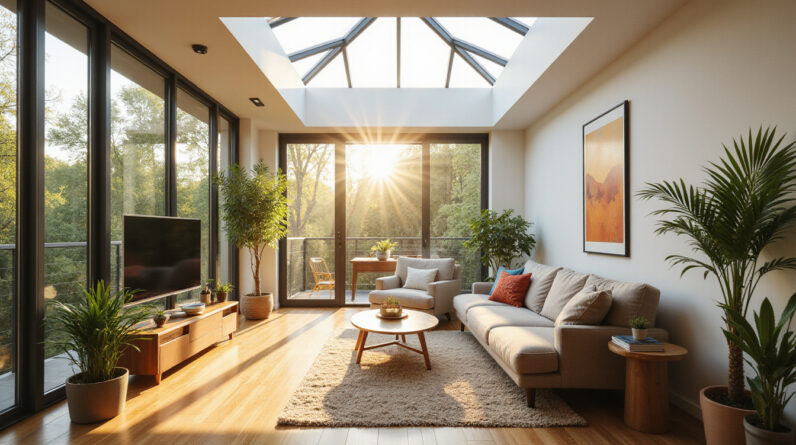
Natural light not only makes a room feel more welcoming but also saves energy. When designing your floor plan, consider the orientation of windows and how sunlight enters the home.
- Place common areas like the living room and kitchen on the south or west sides to benefit from sun exposure.
- Use larger windows and open spaces to let light penetrate deep into the home.
Strategic window placement enhances both beauty and functionality.

4. Optimize Storage Spaces
Good storage solutions keep clutter out of sight and maintain a clean, beautiful space. Incorporate built-in cabinets, closets, and multi-use furniture into your floor plan to take advantage of every inch.
5. Incorporate Flexible Spaces
Modern living often requires adaptability. Consider adding multipurpose rooms that can serve as a home office, guest room, or gym.
6. Pay Attention to Scale and Proportions
Oversized rooms can feel empty and inefficient, while cramped spaces can feel uncomfortable. Ensure rooms have proper proportions relative to their intended use and the overall size of the structure. Use measurements and scale diagrams to visualize spatial relationships effectively.
7. Utilize Outdoor Connections
If your property has outdoor spaces, design your floor plan to integrate indoor and outdoor living areas. Sliding glass doors, patios, and decks can extend your living space and add both beauty and livability.
Essential Checklist for Designing Your Floor Plan
To keep your design process on track, here’s a quick checklist:
- List your essential rooms and desired features.
- Map out circulation paths for easy movement.
- Determine natural light sources and window placements.
- Assign zones: public, private, and service areas.
- Include ample storage solutions.
- Design multipurpose rooms for flexibility.
- Maintain proper room dimensions and clearances.
- Connect indoor spaces with outdoor areas as much as possible.
- Incorporate your personal style and aesthetics into finishes and layouts.
Tools and Resources for Floor Plan Design
Using specialized software can simplify the design process and help you visualize your floor plan in 2D or 3D. Popular tools include SketchUp, AutoCAD, and RoomSketcher. These platforms allow you to experiment with layouts, furnishings, and lighting before committing to a design.
Frequently Asked Questions about Floor Plans
Q1: What is the difference between an efficient floor plan and a beautiful floor plan?
An efficient floor plan prioritizes functionality, flow, and space utilization, ensuring that rooms are practical and easy to navigate. A beautiful floor plan integrates aesthetics such as style, scale, light, and architectural details. The best floor plans combine both, making a home functional and visually appealing.
Q2: How can I make a small floor plan appear more spacious?
Maximize natural light by adding large windows or glass doors, use open-concept layouts to reduce partitions, choose light colors for walls and floors, and incorporate multifunctional furniture. Mirrors and strategic lighting also enhance the perception of space.
Q3: Should I hire a professional to design my floor plan?
While DIY options exist, hiring an architect or a professional designer ensures your floor plan meets building codes, incorporates structural considerations, and optimizes space efficiency and aesthetics based on experience. Professionals can also help you avoid costly mistakes.
Expert Advice to Elevate Your Floor Plan
Drawing on expert advice, it’s clear that a standout floor plan balances practicality with style. According to the American Institute of Architects, “a well-designed floor plan is fundamental to creating spaces that enhance everyday living while expressing individual personality” (source).
Conclusion: Take Your Floor Plan to the Next Level
An efficient and beautiful floor plan is the blueprint for a space you’ll love for years to come. By prioritizing function, flow, light, and flexibility while reflecting your personal style, you can create a functional home that inspires and delights. Whether you’re starting from scratch or renovating, leverage these top tips to craft a floor plan that is truly your own.
Ready to bring your dream floor plan to life? Start sketching your ideas, consult with experts, and explore design software today to transform your vision into a stunning reality!