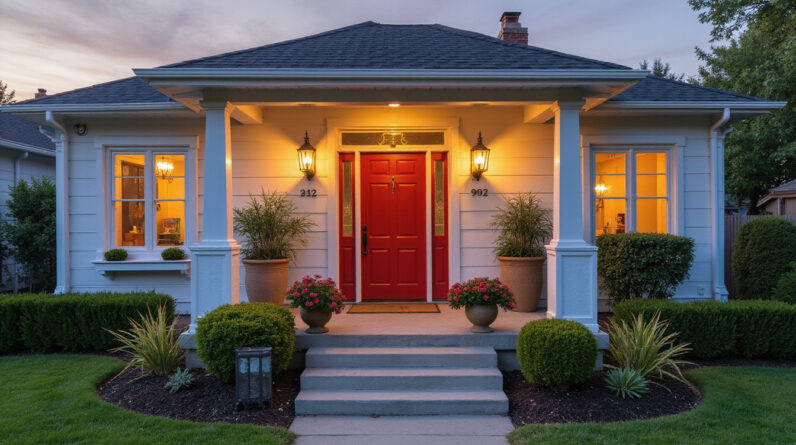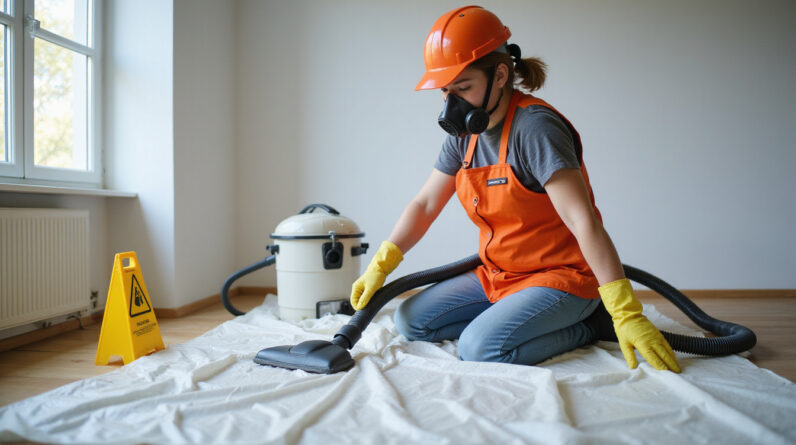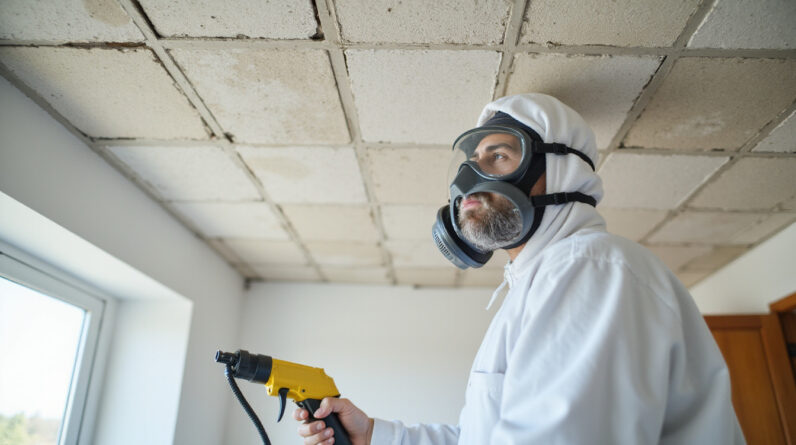


Home remodeling is an exciting way to breathe new life into your living space. Whether you want to update your kitchen, refresh your bathroom, or create a more open floor plan, remodeling can significantly increase your home’s comfort, functionality, and value. However, many people hesitate to start a remodeling project due to concerns about costs. The good news is that with strategic planning and creative ideas, you can successfully transform your space without breaking the bank. This article offers practical home remodeling tips that will help you achieve a fresh, stylish look on a budget.

Why Consider Home Remodeling?
Home remodeling goes beyond mere aesthetics. It allows you to tailor your environment to suit your needs better, improve energy efficiency, and fix issues that may have developed over time. Plus, remodeling can increase your property’s market value, making it a smart investment for the future.
However, costs can quickly add up if you’re not careful. By adopting cost-conscious approaches, you can avoid overspending and still enjoy a dramatic transformation.
Plan Thoroughly Before You Start
The foundation of any successful remodeling project is a well-thought-out plan. Begin by identifying what needs improvement and setting priorities. Consider the following when planning:
- Assess your current space: Identify the areas that require urgent attention.
- Set a realistic budget: Determine how much you can afford to spend.
- Research ideas and materials: Find affordable options that match your style.
- Schedule your timeline: Plan when each phase of the remodeling will take place.
Taking time upfront to plan will help you stay organized, avoid costly mistakes, and manage your home remodeling project efficiently.
Choose Cost-Effective Materials and Fixtures
One of the biggest expenses in home remodeling comes from materials and finishes. However, you don’t need to opt for luxurious, high-end products to create a beautiful space. Affordable alternatives can offer similar aesthetics and durability. Here are some budget-friendly options to consider:
- Laminate or vinyl flooring instead of hardwood: These materials can mimic wood or stone at a fraction of the cost.
- Prefabricated cabinets instead of custom-built: Stock cabinets are less expensive and easier to install.
- Quartz or solid surface countertops over granite or marble: These materials offer durability and style without the premium price.
- Energy-efficient fixtures: Investing in LED lighting and low-flow faucets reduces utility bills and often qualifies for tax credits.
Focus on Cosmetic Upgrades
If your goal is to refresh the space rather than undertake a full renovation, cosmetic upgrades can provide quick and impactful results. Consider the following home remodeling approaches:
- Paint walls and ceilings: A fresh coat of paint can dramatically brighten and modernize any room.
- Replace cabinet hardware: New handles and knobs change the look of kitchen and bathroom cabinetry inexpensively.
- Upgrade lighting fixtures: Modern lighting can improve both aesthetics and functionality.
- Install peel-and-stick backsplash tiles: These are easy to apply and remove without damage, offering a quick kitchen facelift.
- Add decorative moldings or trim: Crown molding or wainscoting adds a touch of elegance without a hefty price tag.
Unless you’re tackling complex electrical or plumbing work, many aspects of home remodeling can be completed on your own with some research and patience. Doing the work yourself saves labor costs and gives you full control over the project. Popular DIY remodeling activities include:

- Painting walls and cabinets
- Installing flooring such as laminate planks or vinyl tiles
- Assembling and installing ready-made furniture and shelves
- Replacing light fixtures and switch plates
- Applying wallpaper or wall decals
You can find countless tutorials online, from video demonstrations to detailed guides, which can empower you to complete a variety of tasks confidently. Just remember to use the right tools and take proper safety precautions.
Prioritize Energy Efficiency
An often-overlooked aspect of home remodeling is improving energy efficiency. Upgrading your home’s insulation, sealing air leaks, and installing energy-efficient windows and doors not only reduce energy bills but can also qualify for rebates and tax incentives. According to the U.S. Department of Energy, home improvements focusing on energy efficiency often pay for themselves in just a few years (source).
Smart Ways to Maximize Small Spaces
If you live in a smaller home or apartment, remodeling can help you maximize every square foot. Consider these space-saving ideas:
- Use built-in storage solutions like shelves and cabinets to reduce clutter.
- Remove unnecessary walls or partitions to create an open floor plan.
- Incorporate multi-functional furniture such as sofa beds and extendable tables.
- Use mirrors strategically to make rooms feel larger and brighter.
- Install sliding doors instead of swinging ones to save floor space.
Essential Home Remodeling Tips Checklist
Here’s a checklist to guide your budget-friendly home remodeling journey:
- Define your remodeling goals clearly.
- Set a reasonable budget and include a contingency fund.
- Research and source affordable materials and fixtures.
- Consider DIY options where feasible.
- Get multiple quotes if hiring professionals.
- Focus on cosmetic updates that yield high visual impact.
- Prioritize energy-efficient upgrades.
- Plan for permits or inspections required by your local authorities.
- Use creative storage and design techniques to optimize space.
- Keep communication open if working with contractors.
FAQ: Home Remodeling Ideas and Cost-Saving Tips
Q1: What are some inexpensive home remodeling ideas?
A1: Simple updates such as painting, replacing cabinet hardware, installing new light fixtures, and adding peel-and-stick tiles can refresh your space without high costs.
Q2: How can I reduce home remodeling costs?
A2: Plan carefully, do some of the work yourself, shop for affordable materials, and consider making cosmetic upgrades instead of major structural changes.
Q3: Can I remodel my home without professional help?
A3: Yes, many tasks like painting, flooring installation, and simple fixture replacements can be DIY projects, helping save money and allowing you to customize your home.
Final Thoughts: Start Your Home Remodeling Today
Embarking on a home remodeling project doesn’t have to mean draining your savings. With thoughtful planning, a focus on budget-friendly materials, and some creative DIY efforts, you can transform your living space into a stylish and functional haven. Remember to prioritize your needs, set realistic goals, and proceed step-by-step to avoid surprises. Whether updating a single room or launching a whole-house makeover, these home remodeling tips will empower you to achieve your dream home while keeping expenses under control. Start planning today and turn your vision into reality!