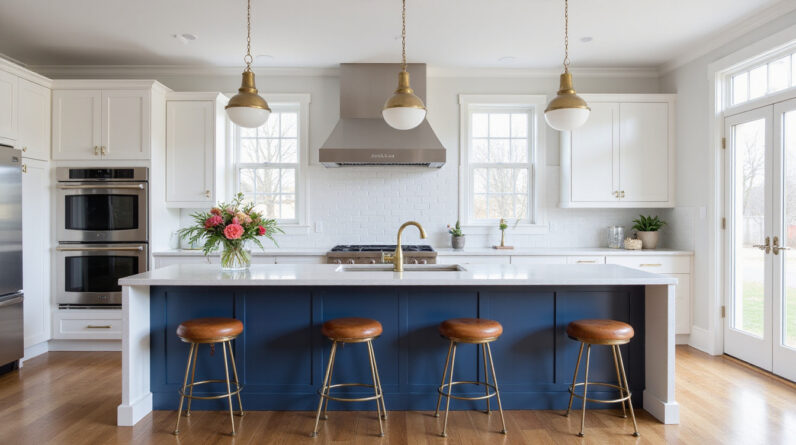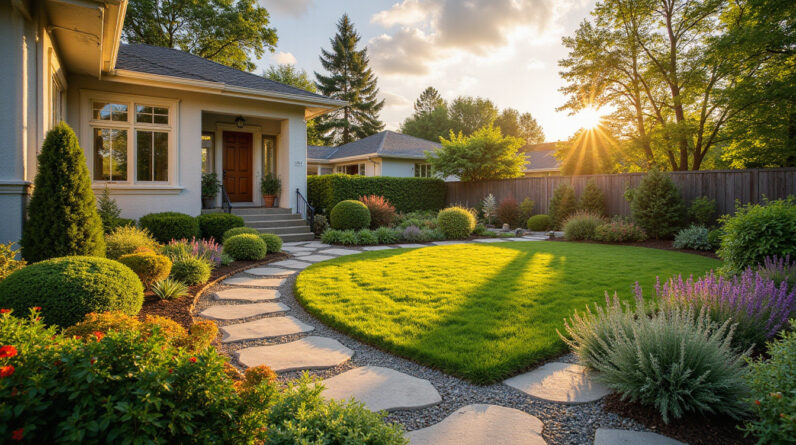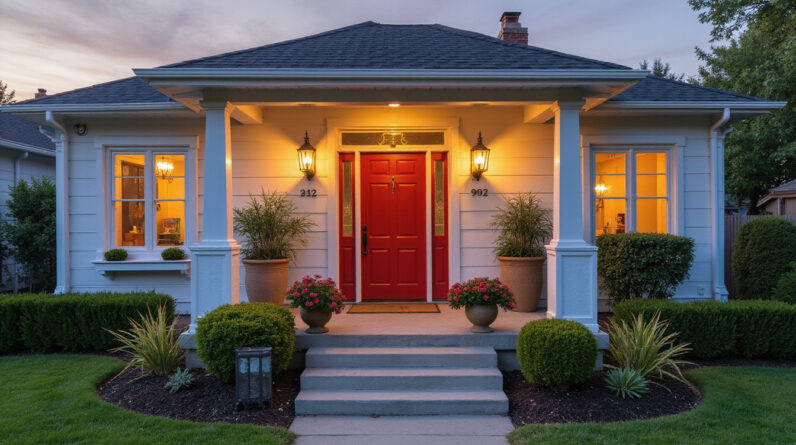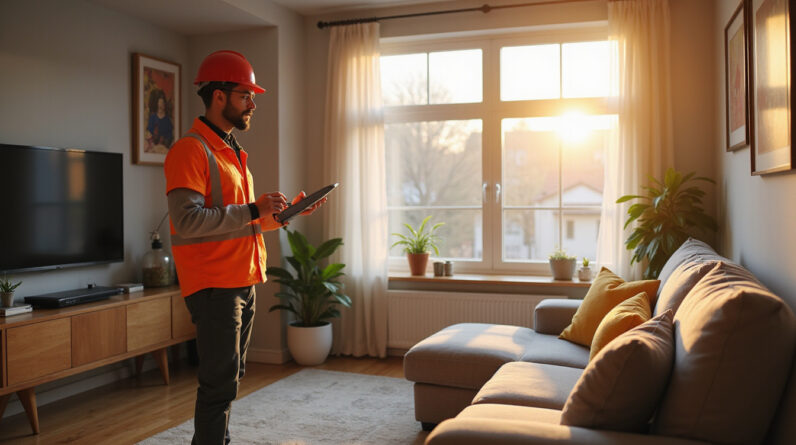


When embarking on a home renovation project, understanding the home remodeling cost is crucial to ensuring your dream renovation doesn’t turn into a financial nightmare. Whether you’re updating your kitchen, adding a new room, or giving your entire house a facelift, careful budgeting helps you plan effectively and avoid unexpected expenses. In this comprehensive guide, we’ll break down typical remodeling costs, discuss factors influencing prices, and offer practical tips to keep your project within budget.

Understanding Home Remodeling Cost: Why It Matters
Home remodeling cost varies widely depending on the scope of the project, materials chosen, labor, and your location. Early in the planning stages, having a clear picture of these costs enables you to set realistic expectations and prioritize renovations that add the most value to your home. Ignoring cost estimates can lead to overspending and incomplete projects.
Typically, remodeling costs are expressed as a cost per square foot or as a percentage of your home’s current value. According to Remodeling magazine’s 2023 Cost vs. Value Report, remodeling projects like kitchen remodels average about $150 to $250 per square foot, though this number can fluctuate based on your specific needs (source).
Key Factors That Influence Home Remodeling Cost
Several factors contribute to the overall expense of your remodeling project:
1. Project Scope and Scale
- Minor Upgrades vs. Major Renovations: Cosmetic updates like painting and flooring changes generally cost less than structural modifications such as adding rooms or moving walls.
- Size of the Area: Larger spaces increase labor and materials costs.
2. Materials and Finishes
Choosing high-end fixtures, custom cabinetry, or premium flooring increases your budget significantly compared to standard options.
3. Labor Costs
Labor can account for up to 30-50% of your total remodeling cost. Skilled tradespeople such as plumbers, electricians, and carpenters command different rates based on location and expertise.
4. Location
Real estate market conditions and cost of living in your area impact both material prices and labor rates.
5. Permits and Fees
Obtaining the necessary permits ensures your renovation complies with local building codes. Permit fees vary and should be included in your budget.
6. Unexpected Issues
Older homes or projects involving plumbing/electrical systems may reveal hidden problems, like mold or outdated wiring, increasing costs.
Typical Home Remodeling Cost Breakdown by Room
Understanding the average costs associated with remodeling different rooms can help you prioritize:
| Room | Average Cost Range |
|---|---|
| Kitchen | $20,000 – $50,000+ |
| Bathroom | $10,000 – $25,000 |
| Living Room | $5,000 – $15,000 |
| Bedroom | $3,000 – $10,000 |
| Basement | $15,000 – $30,000 |
| Addition | $40,000 – $80,000+ |
How to Budget for Your Dream Renovation
Step 1: Set a Realistic Budget
Start by analyzing your finances and how much you can comfortably spend. Consider obtaining quotes from contractors to get a better idea of costs.
Step 2: Prioritize Renovation Elements
Identify which aspects of your project are non-negotiable versus “nice-to-have.” For instance, structural changes may be essential, while luxury finishes might be deferred.
Step 3: Get Multiple Estimates
Consult with several contractors to compare prices and services. This helps you avoid overpaying and ensures competitive pricing.
Step 4: Include a Contingency Fund
Always set aside 10-20% of your budget for unexpected costs. This financial cushion can prevent project delays or compromises.
[h3]Step 5: Consider Financing Options[/h3]
If your budget requires supplementation, explore home improvement loans, lines of credit, or refinancing options.
Tips to Save on Home Remodeling Cost Without Compromising Quality
- Reuse Materials: Salvage cabinetry or fixtures where possible.
- DIY Where Feasible: Painting or demolition can save labor costs.
- Shop Around: Compare prices for materials and appliances.
- Schedule Efficiently: Avoid costly delays by planning well.
- Focus on Energy Efficiency: Energy-saving upgrades may qualify for rebates and reduce long-term expenses.
Frequently Asked Questions About Home Remodeling Cost
Q1: What is the average home remodeling cost per square foot?
A: On average, home remodeling costs range between $100 and $250 per square foot, depending on the complexity and quality of materials used.
Q2: How can I estimate my home remodeling cost accurately?
A: Begin by outlining your project’s scope, then get multiple contractor quotes. Incorporate costs for materials, permits, labor, and unexpected expenses to create a comprehensive budget.
Q3: What factors most affect the home remodeling cost?
A: The main factors include project size, choice of materials, labor costs, location, and whether structural changes or permits are required.
Conclusion: Take Control of Your Home Remodeling Cost Today
Budgeting for your dream home renovation can seem overwhelming, but breaking down home remodeling cost into manageable parts empowers you to make informed decisions. By understanding the major cost drivers, obtaining multiple estimates, and planning for contingencies, you can bring your renovation vision to life without breaking the bank. Ready to start your renovation journey? Begin with a detailed budget plan today and connect with trusted local contractors to get your project underway. Your dream home awaits!