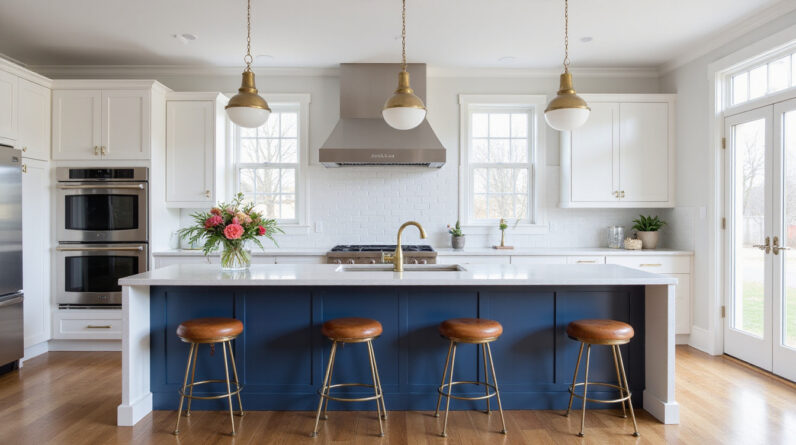


When planning any home improvement or construction project, securing the necessary renovation permits is a crucial first step. Obtaining these permits ensures your work complies with local building codes and regulations, helping you avoid fines and delays. This comprehensive guide will walk you through the process of securing renovation permits quickly, so you can move forward with confidence and keep your project on schedule.

Understanding Renovation Permits and Why They Matter
Renovation permits are official approvals required by municipalities before you can begin remodeling, repairing, or adding to your property. These permits serve several important purposes:
- Safety: They ensure that construction meets safety standards to protect occupants and neighbors.
- Legal compliance: They make certain your renovation adheres to local zoning laws and building codes.
- Property value: Permitted work maintains or enhances your home’s value, whereas unpermitted renovations can complicate resale.
- Insurance: Many insurers require permits to cover potential damage during or after construction.
Neglecting to obtain renovation permits can result in costly fines, forced removal of unapproved work, or difficulty selling your property later.
Types of Renovation Permits You Might Need
The types of permits you’ll require can vary based on the nature and scope of your project. Common renovation permits include:
- Building permit: Required for structural changes, additions, roofing, or significant repairs.
- Electrical permit: Needed when altering or installing electrical wiring and fixtures.
- Plumbing permit: Required for changes to water, drainage, and gas lines.
- Mechanical permit: Necessary when installing or modifying HVAC systems.
- Demolition permit: For removing any part of a building or structure.
- Zoning permit: Ensures the renovation complies with local land-use regulations.
Your local building department can provide a list specific to your area and project.
Step-by-Step Process to Secure Renovation Permits Quickly
Getting renovation permits doesn’t have to be a long, complicated process. Follow these steps to streamline your approval and avoid common pitfalls:
1. Research Local Requirements
Start by visiting your municipality’s building department website or office. Each city or county has its own code books and permit criteria. Understanding requirements upfront saves you from costly mistakes later.
2. Prepare Detailed Plans and Documentation
Accurate, professionally prepared plans are essential for quick approval. These should show:
- Scope of work (e.g., kitchen remodel, garage addition)
- Dimensions, materials, and structural details
- Compliance with safety and zoning codes
Including energy efficiency documentation or architectural drawings can speed up reviews.
3. Submit Your Application Correctly
Complete the permit application form thoroughly. Attach all required documents such as plans, plot surveys, and contractor licenses. Incomplete applications lead to delays.
4. Pay Applicable Fees
Fees vary depending on the project size and type but are usually required upfront. Confirm payment methods accepted by your local authority.
5. Respond Promptly to Requests for Additional Information
Permit reviewers may request clarifications or revisions. Address any questions within days to avoid your application being postponed.
6. Schedule Inspections as Required
After permits are issued, your work will need inspections at various stages (e.g., rough-in electrical, framing, final). Make appointments early to accommodate inspector availability.
Tips to Avoid Common Permit Approval Delays
Even with thorough preparation, some issues can slow your permit approval. Keep these tips in mind:
- Hire licensed professionals: Experienced contractors understand permit requirements and can help ensure compliance.
- Check for overlapping permits: For complex projects, multiple permits may be needed simultaneously.
- Keep communication open: Maintain contact with your building department and respond quickly.
- Ensure your property is up-to-date on taxes: Some municipalities will not issue permits if property taxes are delinquent.
How Long Does It Usually Take to Get Renovation Permits?
The timeline varies widely by location, project complexity, and workload of the permitting office. Small projects might only take a few days to weeks, while large-scale renovations can take several months. Reviewing your local government’s estimated timelines ahead of time helps with planning.
For example, the International Code Council highlights that digital permit submission systems have significantly improved processing times in many cities (source).

Checklist: Essential Documents and Information for Your Renovation Permit Application
To keep your renovation permit process on track, here’s a handy checklist of materials to gather before applying:
- Completed permit application form
- Detailed architectural or engineering plans
- Property plat or site survey
- Structural calculations if applicable
- Contractor’s license and insurance certificates
- Proof of ownership or authorization to remodel
- Permit application fees
- Environmental or energy compliance documentation if required
Frequently Asked Questions About Renovation Permits
Q1: What types of projects always require renovation permits?
Most remodeling projects that involve structural changes, electrical or plumbing work, and major system updates need permits. Cosmetic upgrades like painting or flooring usually do not.
Q2: Can I start work before obtaining renovation permits?
Starting work without permits is not advisable. It can result in fines, mandated removal of work, and delays in project completion.
Q3: How can I check if my renovation permits have been approved?
Most local building departments offer online dashboards or phone services where you can track your permit status.
Conclusion: Take Action Early to Secure Your Renovation Permits
Securing your renovation permits early and properly is essential to any successful home improvement project. By understanding what’s required, preparing detailed plans, submitting thorough applications, and maintaining communication with local building authorities, you can speed up the approval process and avoid costly setbacks.
Don’t let permit issues derail your dreams of a beautiful, safe, and code-compliant home renovation. Start your permit application today and ensure your project is built on a solid foundation of legal approval and safety.
Ready to get started? Contact your local building department or a licensed contractor now to discuss your renovation permit needs and take the first step toward a stress-free renovation!