

In recent years, modular homes have emerged as a game-changing solution in the housing industry, combining affordability, sustainability, and efficient construction. As traditional homebuilding faces rising costs and environmental challenges, modular homes offer an innovative alternative that caters to the growing demand for quality housing accessible to more people. This article explores how modular homes are transforming the way we think about housing by providing customizable, eco-friendly, and cost-effective options for a wide range of homeowners.

What Are Modular Homes?
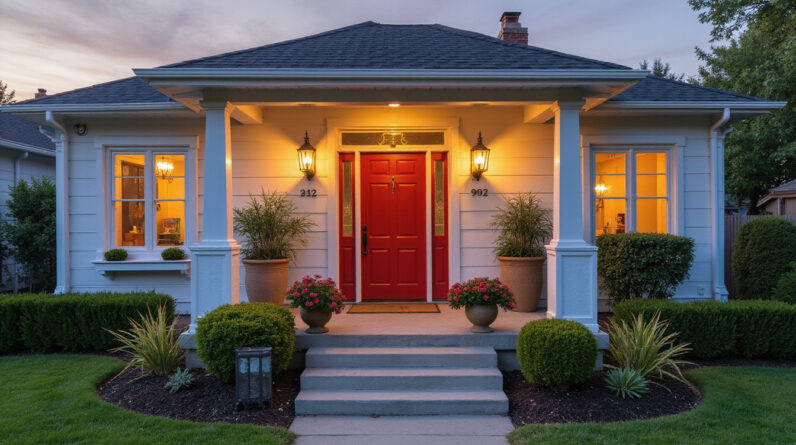
Modular homes are residential buildings constructed in sections—or modules—in a factory setting, then transported to the home site for quick assembly. Unlike mobile or manufactured homes, modular homes are built to comply with local building codes and are virtually indistinguishable from site-built homes. The precision and controlled environment of factories help reduce waste and construction delays, while ensuring higher quality control compared to traditional on-site building.
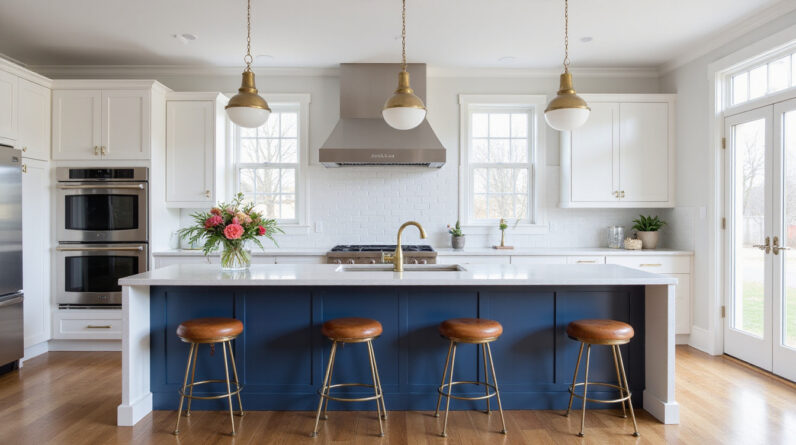
These homes come in various architectural styles and sizes, enabling homeowners to customize floor plans and finishes to suit their preferences and budgets. The modular approach also allows builders to work year-round without weather-related interruptions.
Advantages of Modular Homes
1. Cost-Effective Construction
One of the most appealing benefits of modular homes is their affordability. Building in a factory setting eliminates many causes of costly delays and reduces labor expenses. According to the Modular Building Institute, modular construction can reduce construction time by 30-50%, which translates into significant savings on financing and labor costs (source).
2. Environmentally Friendly
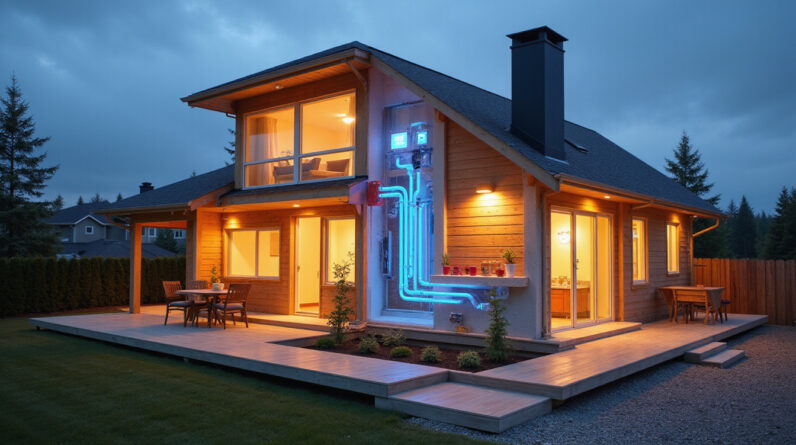
Modular homes promote sustainability in several ways. The factory-controlled environment allows precise measurements and cuts, minimizing material waste. Additionally, many manufacturers incorporate energy-efficient features such as enhanced insulation, sustainable building materials, and modern HVAC systems. This combination not only lowers the home’s carbon footprint but also reduces utility costs for homeowners over time.
3. Speed and Efficiency of Construction
Unlike traditional homes, which can take months to build, modular homes can reach completion in a fraction of the time. While site preparation occurs simultaneously with module fabrication, assembly onsite can take just days. This streamlined process is particularly advantageous in areas with short building seasons or where rapid housing development is needed.
4. Quality and Durability
Contrary to misconceptions, modular homes are extremely durable. Constructed to withstand transportation and crane placement, these homes often meet or exceed rigorous local building codes. Factory environments protect construction materials from weather damage, yielding better quality and longer-lasting results.
Sustainability and Energy Efficiency in Modular Homes
Sustainability is a critical factor fueling the rise of modular homes. Builders and homeowners alike prioritize energy efficiency to mitigate climate impacts and reduce living costs. Modular homes often utilize:
- Advanced insulation materials that surpass code requirements
- High-performance windows and doors designed to minimize heat loss
- Energy Star-rated appliances and fixtures
- Renewable energy systems such as solar panels integrated into design
Such features make modular homes an excellent option for environmentally conscious buyers seeking to reduce their ecological footprint without compromising comfort.

Types of Modular Homes
Modular homes vary widely in design and complexity. Some common categories include:
- Single-Story Modular Homes: Ideal for small families or retirees, providing efficient use of space without stairs.
- Multi-Story Modular Homes: Offer increased square footage on compact lots, suited for larger families.
- Custom Modular Homes: Allow extensive customization, including unique architectural details and luxury finishes.
- Eco-Friendly Modular Homes: Focus on sustainable materials and high energy efficiency standards.
Choosing the right type depends on individual needs, budget, site conditions, and local zoning regulations.
Steps to Build a Modular Home
Building a modular home involves a clear and streamlined process, typically consisting of the following steps:
- Planning and Design: Choose a modular home design and customize floor plans.
- Site Preparation: Prepare the foundation and install utilities at the building site.
- Module Fabrication: Modules are constructed in a factory, including plumbing, electrical, and interior finishes.
- Transportation: Completed modules are transported from the factory to the site by specialized trucks.
- Assembly and Inspection: Modules are craned onto the foundation, joined, and final finishing touches applied.
- Final Inspection and Move-In: The home undergoes inspections to ensure compliance with local codes before occupancy.
Common Misconceptions About Modular Homes
Despite their growing popularity, modular homes still face some misunderstandings:
- “Modular homes aren’t customizable.” In reality, modular homes can be highly customized with a wide variety of finishes and layouts.
- “They have lower quality than traditional homes.” Factory construction actually enhances quality through precise processes and thorough inspections.
- “Modular homes depreciate in value.” Properly constructed modular homes maintain or even appreciate in value just like site-built homes.
FAQ About Modular Homes
Q1: How long does it take to build a modular home?
Typically, modular homes can be completed in 4 to 12 weeks, with factory construction of modules taking less time than traditional methods and onsite assembly completed in days.
Q2: Are modular homes energy efficient?
Yes, modular homes are often built with energy efficiency in mind, including better insulation, energy-efficient windows, and appliances which help reduce utility bills.
Q3: Can I customize my modular home?
Absolutely! Modular homes offer a wide range of customization options in terms of layouts, finishes, and eco-friendly features to meet your needs.
Why Modular Homes Are the Future of Housing
With rising housing costs, increasing environmental concerns, and demand for rapid, high-quality construction, modular homes stand at the forefront of a housing revolution. They offer a compelling combination of affordability, sustainability, and flexibility unmatched by traditional building methods. Communities and governments are increasingly recognizing their potential to provide safe, durable, and affordable homes quickly.
If you’re considering building a new home, exploring modular homes could be your best choice. They offer the modern benefits of reduced costs, quicker timelines, and environmentally responsible building—all while fulfilling your dream of a beautiful, comfortable home to call your own.
Ready to take the next step into innovative and affordable housing? Contact a reputable modular home builder today to discuss your options and begin your journey toward owning a sustainable home that fits your lifestyle and budget perfectly!