

Sustainable homebuilding is more than just a trend—it’s a necessary approach to reducing the environmental footprint of residential construction. As more homeowners and builders seek eco-friendly alternatives, understanding sustainable homebuilding techniques becomes essential. By integrating these methods, we can create homes that not only minimize environmental damage but also promote healthier living spaces and long-term cost savings.

In this article, we will explore effective sustainable homebuilding techniques, benefits, and practical tips to help reduce environmental impact while maintaining functional, beautiful homes.
What Is Sustainable Homebuilding?
Sustainable homebuilding refers to designing and constructing residences using methods and materials that reduce energy consumption, waste, pollution, and environmental degradation throughout the building’s life cycle. It emphasizes resource efficiency, use of renewable materials, and improving indoor air quality to foster sustainability from foundation to finish.
The goal is to create homes that:
- Use less energy and water
- Generate minimal waste
- Employ non-toxic, durable materials
- Harmonize with the surrounding natural environment
Key Sustainable Homebuilding Techniques
Incorporating sustainability into home construction involves various innovative techniques and technologies. The following approaches are among the most effective ways to reduce environmental impact:
1. Energy-Efficient Design and Orientation
A well-designed home takes advantage of natural light and heat, reducing the need for artificial lighting and heating. This includes:
- Proper orientation to maximize sunlight in colder months and minimize heat during summer
- Installing energy-efficient windows and insulation
- Using passive solar heating and cooling strategies
2. Use of Renewable and Recycled Building Materials
Choosing sustainable materials significantly lowers environmental impact. Examples include:
- Bamboo flooring and cabinetry, which grow quickly and are renewable
- Recycled steel framing to reduce resource extraction
- Reclaimed wood for structural elements and finishes
- Low-VOC paints and finishes that improve indoor air quality
3. Water Efficiency Systems
Conserving water reduces strain on local resources and utility costs. Effective water-saving measures:
- Low-flow fixtures and toilets
- Greywater recycling systems for irrigation
- Rainwater harvesting for landscaping
4. Incorporation of Green Roofs and Walls
Green roofs and living walls provide natural insulation, reduce urban heat island effect, and improve air quality. They also support biodiversity by offering habitat for plants and insects.

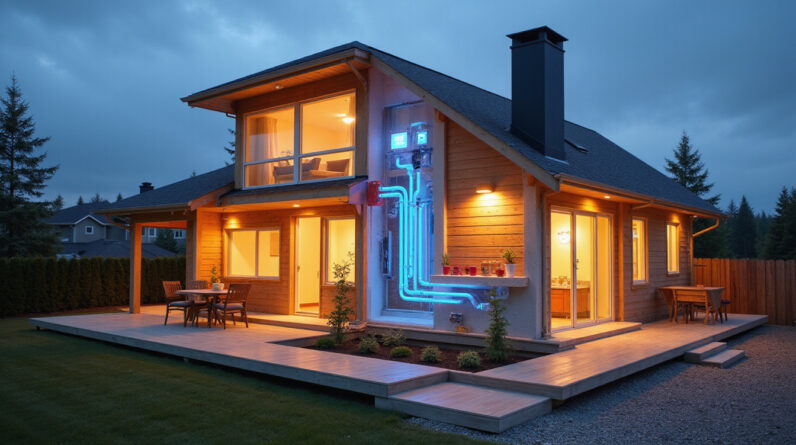
5. Solar Power and Renewable Energy Systems
Installing solar panels or other renewable energy solutions allows homes to generate clean energy, often reducing or eliminating utility bills while decreasing the carbon footprint.
Benefits of Sustainable Homebuilding
Building sustainably offers numerous advantages beyond environmental protection:
- Lower energy and water bills: Enhanced efficiency reduces monthly utility costs.
- Improved indoor air quality: Non-toxic materials reduce allergens and pollutants.
- Increased durability and reduced maintenance: Sustainable materials often last longer with less upkeep.
- Enhanced comfort: Better insulation and ventilation improve living conditions year-round.
- Higher property value: Green homes frequently attract higher market prices and interest.
Steps to Implement Sustainable Homebuilding Practices
Before starting construction, consider the following steps to ensure your project incorporates sustainable techniques effectively:
- Site Analysis: Evaluate the land’s climate, topography, and natural features to optimize building design.
- Planning and Design: Collaborate with architects experienced in green building to create efficient floor plans and select appropriate materials.
- Source Materials Locally: Reducing transportation distance for building materials decreases embodied carbon.
- Hire Skilled Contractors: Engage builders familiar with sustainable construction methods.
- Incorporate Renewable Energy: Plan and install clean energy systems from the start to optimize integration.
- Monitor During Construction: Ensure waste reduction by recycling scraps and managing supplies carefully.
Tools and Certifications to Support Sustainable Homebuilding
Several certifications can guide and verify green building efforts, including:
- LEED (Leadership in Energy and Environmental Design): An internationally recognized green building certification system.
- Passive House: Focuses on ultra-low energy consumption for heating and cooling.
- Living Building Challenge: The most rigorous sustainable building program based on net-zero energy and water usage.
Using building information modeling (BIM) software can assist architects and builders in optimizing design for sustainability.
FAQ: Sustainable Homebuilding Insights
Q1: What are the most important materials to consider in sustainable homebuilding?
A: Prioritize renewable resources like bamboo and rapidly renewable woods, recycled metals, low-VOC paints, and natural insulations such as wool or cellulose.
Q2: How does sustainable homebuilding reduce energy consumption?
A: Through energy-efficient designs, proper insulation, passive solar techniques, and using renewable power sources, homes require less energy for heating, cooling, and lighting.
Q3: Is sustainable homebuilding more expensive than traditional home construction?
A: While initial costs can be higher due to specialized materials or systems, long-term savings from reduced utility bills and maintenance often offset upfront expenses.
Authoritative Source
According to the U.S. Green Building Council, adopting sustainable building practices significantly cuts energy consumption and carbon emissions, contributing directly to climate change mitigation (source).
Conclusion: Taking Action for a Greener Home
By integrating sustainable homebuilding techniques, you make an impactful contribution to the environment while enjoying multiple personal benefits from reduced costs to better health. Whether you are building new or renovating, committing to sustainability leads to resilient, efficient homes that stand the test of time.
Start planning your sustainable homebuilding project today by researching eco-friendly materials, consulting green building professionals, and applying energy-saving technologies. Together, we can revolutionize home construction and reduce environmental impact effectively for generations to come.