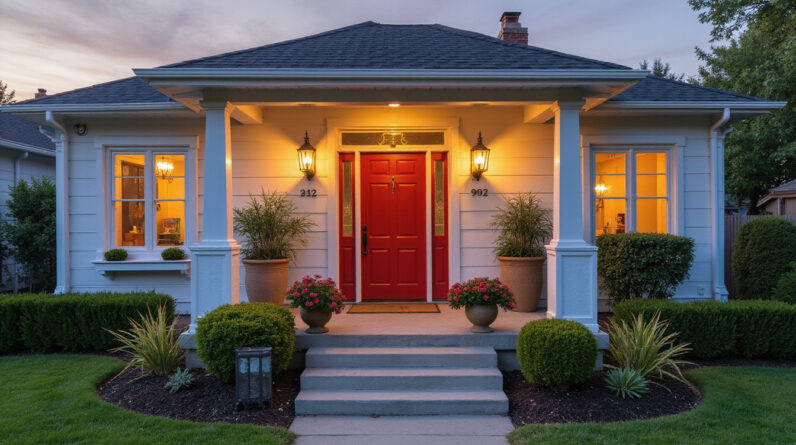


Home remodeling is an exciting way to breathe new life into your living space without the need to move. Whether you’re looking to modernize your kitchen, brighten up your living room, or create a cozy bedroom retreat, home remodeling allows you to tailor your space to your style and needs. The best part? You don’t have to break the bank to achieve impressive results. With thoughtful planning and smart choices, you can transform your home on any budget. This article will guide you through essential home remodeling tips, helping you achieve the look and feel you desire while keeping costs under control.

Why Consider Home Remodeling?
Before diving into the tips, it’s important to understand why home remodeling is a valuable investment. Remodeling not only enhances the aesthetic appeal of your home but also improves functionality and increases property value. Whether you’re planning to stay in your home for years to come or gearing up to sell, remodeling can provide a significant return on investment. Plus, updating your space can improve your daily comfort and satisfaction.
Set a Realistic Budget and Prioritize
The cornerstone of any successful home remodeling project is a well-defined budget. Determine how much you are willing and able to spend before you start shopping for materials or hiring contractors. It helps to separate your budget into categories such as materials, labor, permits, and unexpected expenses.
Once you have a budget in mind, prioritize the areas that need the most attention or will make the biggest impact. For example, a fresh coat of paint can transform a room on a minimal budget, while kitchen cabinets may require a larger financial commitment.
Tips for Budgeting Your Home Remodeling:
- Research average costs for materials and labor in your area.
- Allocate a contingency fund of 10–15% for unforeseen expenses.
- Decide which upgrades are "must-haves" and which you can delay.
Focus on High-Impact, Low-Cost Updates
Not every remodel requires heavy construction or pricey upgrades. Often, simple changes can refresh your space and feel like a brand new home.
Creative Home Remodeling Ideas That Won’t Break the Bank:
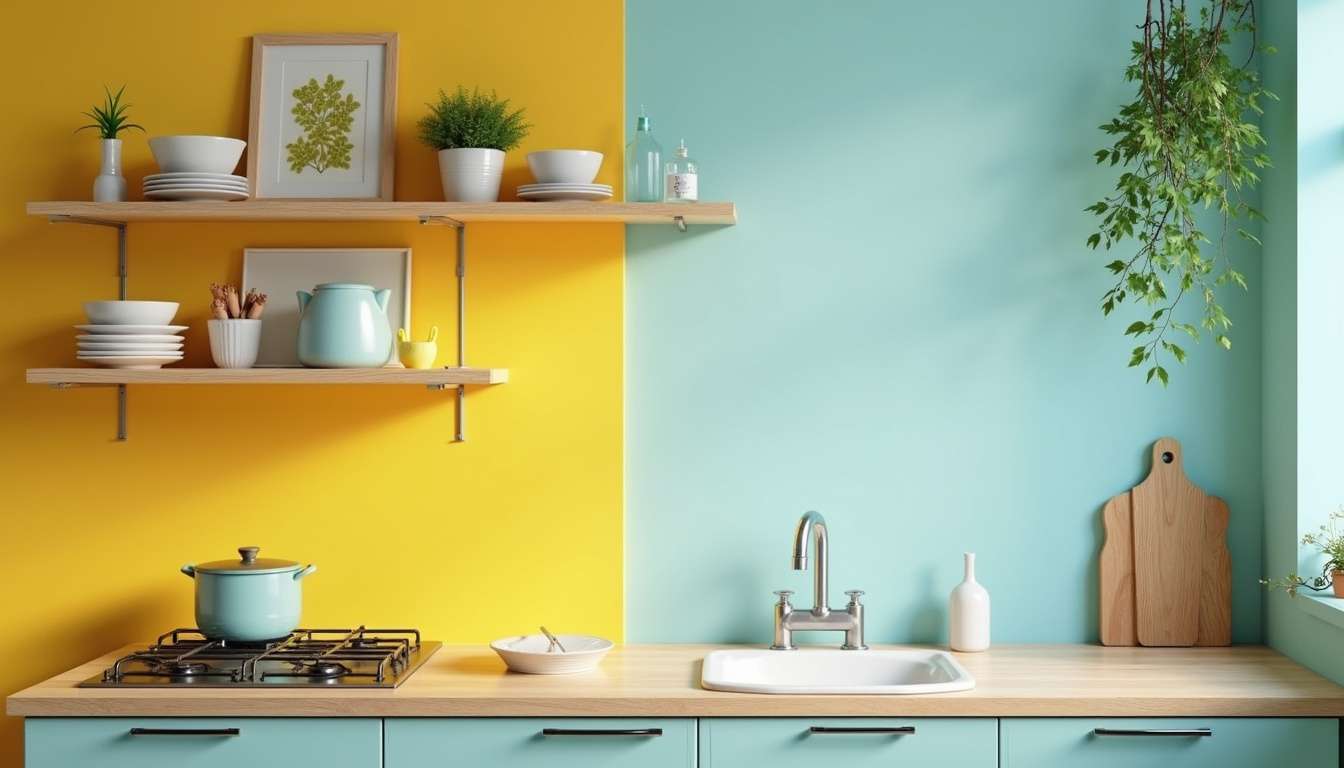
- Paint walls and ceilings: Change colors to modernize and brighten.
- Update hardware and fixtures: Swap out doorknobs, cabinet handles, light fixtures, and faucets.
- Install peel-and-stick backsplash tiles: Adds texture and character to kitchens and bathrooms.
- Replace window treatments: New curtains or blinds can dramatically affect mood and natural lighting.
- Add molding or trim: Crown molding or chair rails create polished finishes.
- Declutter and rearrange: Reorganize furniture and remove excess items for a fresh layout.
DIY vs. Hiring Professionals: Choosing What’s Right for You
Home remodeling offers plenty of opportunities for do-it-yourself projects, especially if you want to save money. Painting, installing shelves, or changing light fixtures are manageable for many homeowners. However, tasks like plumbing, electrical work, or structural changes are best left to licensed professionals for safety and code compliance.
Advantages of DIY Home Remodeling:
- Lower labor costs.
- Full creative control.
- Personal satisfaction from hands-on improvement.
When to Hire Professionals:
- Electrical rewiring or adding new circuits.
- Plumbing fixture replacement or pipe repairs.
- Major flooring, drywall, or roofing installations.
- Structural modifications or permit-required work.
Hiring professionals ensures the job is done efficiently, safely, and up to local building codes, which can save costs in the long run by avoiding mistakes.
Smart Material Choices for Remodeling on a Budget
Selecting materials is a crucial part of home remodeling. Your choices can either stretch your budget or cause it to skyrocket. Fortunately, there are many affordable alternatives that offer durability and style without sacrificing quality.
Some inexpensive and high-impact material options include:
- Laminate flooring instead of hardwood.
- Quartz countertops with pre-fabricated slab options for kitchen or bathroom surfaces.
- Engineered wood cabinets in place of solid wood.
- Ceramic or porcelain tiles for backsplashes and floors.
- Eco-friendly paints with low VOCs for a healthier home.
Keep in mind that investing in durable materials reduces the need for frequent repairs or replacements, saving money over time.
Maximize Natural Light and Space
A bright, airy home feels larger and more inviting. Remodeling strategies that maximize natural light and optimize space can drastically transform a room.
- Use sheer window coverings to allow more sunlight.
- Add mirrors strategically to reflect light and create the illusion of space.
- Remove bulky furniture to open pathways.
- Choose light, neutral paint colors to reflect light better.
- Incorporate open shelving for storage without closing off areas.
Sustainable Home Remodeling: Eco-Friendly Upgrades on a Budget
Many homeowners want to reduce their environmental impact when remodeling. Sustainable remodeling doesn’t have to be expensive. Simple choices can contribute to energy savings and environmental friendliness.
Examples include:
- Installing LED lighting.
- Adding weatherstripping to doors and windows.
- Using recycled or reclaimed materials for flooring or furniture.
- Upgrading to low-flow faucets and showerheads.
These upgrades can reduce utility bills and often have incentives or rebates, making them cost-effective over time.
Frequently Asked Questions About Home Remodeling
1. What are the best home remodeling projects to increase resale value?
Kitchen and bathroom remodels typically offer the best return on investment. Even minor kitchen upgrades—like updated countertops or fresh cabinets—can significantly boost home value. Adding curb appeal through landscaping or exterior painting is also effective.
2. How can I remodel my home on a tight budget without sacrificing quality?
Focus on cosmetic upgrades such as painting, hardware replacement, and lighting improvements. Consider DIY projects for labor savings and source materials from discounted or outlet stores. Prioritize repairs to prevent future costly damage.
3. Is it necessary to get permits for home remodeling projects?
Many remodeling tasks require permits, especially structural changes, electrical work, or plumbing modifications. Always check with your local building department before starting to ensure compliance with codes, avoid fines, and maintain property value.
Authoritative Source
According to the National Association of Home Builders, investing in small remodeling projects can yield significant value and enjoyment in your home while managing budget constraints (source: NAHB).
Transform Your Home Today
Home remodeling is an opportunity to create a space that truly suits your lifestyle and expresses your personality — all without needing a massive budget. By prioritizing projects, choosing cost-effective materials, and blending DIY with professional help, your dream home transformation is within reach. Don’t wait to enhance your comfort and increase your property’s value. Start planning your next home remodeling project today and watch your space come alive!