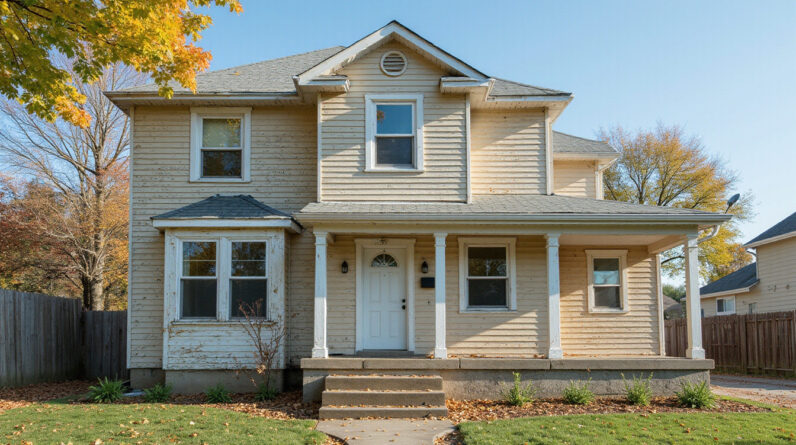


Taking on a home remodeling project is an exciting way to enhance your living space and increase your property’s value. However, managing a home remodeling budget effectively is crucial to ensure your renovation investment delivers the best possible return without unnecessary financial strain. Whether you’re upgrading a kitchen, bathroom, or entire home, smart budgeting strategies can save you from costly surprises and keep your renovation on track.

In this article, we’ll explore practical tips to maximize your home remodeling budget, helping you achieve your design goals while maintaining financial control.
Understand the Scope of Your Remodel
Before diving into costs, clearly define the scope of your renovation. Knowing exactly what you want to achieve will help you allocate your home remodeling budget more accurately and avoid impulse spending during the project.
- List your must-haves and nice-to-haves: Distinguish between essential improvements and optional features.
- Consider the resale value: Focus on upgrades that increase your home’s market appeal.
- Identify potential challenges: Older homes may require unexpected structural updates or permit costs.
Setting a clear scope will keep your project focused and your budget realistic.
Prioritize Your Spending for Maximum Impact
Not all home remodeling features offer the same return on investment. Prioritizing elements that add value and functionality can maximize your renovation budget’s effectiveness.
- Invest in kitchens and bathrooms: These rooms typically yield the highest resale value.
- Upgrade energy-efficient features: Modern windows, insulation, and appliances can reduce long-term costs.
- Focus on curb appeal: Landscaping, exterior paint, and front door improvements enhance first impressions.
Allocating your budget to these high-impact areas ensures your remodel not only improves your daily living experience but also benefits your home’s market value.
Create a Detailed and Flexible Budget Plan
A comprehensive budget plan is essential for tracking expenses and making informed decisions throughout your remodeling project.
Consider including:
- Material and product costs: Cabinets, flooring, fixtures.
- Labor fees: Contractors, electricians, plumbers.
- Permit and inspection fees: Local regulations can affect costs.
- Contingency fund: Set aside 10–20% for unexpected expenses.
Remember, building flexibility into your budget helps you adapt when surprises inevitably arise without derailing your entire renovation.
Shop Smart for Materials and Services
Finding quality materials and labor within your budget requires research and strategic shopping.
- Compare multiple suppliers: Get quotes from several vendors to find the best deals.
- Consider alternative materials: Engineered stone instead of natural granite, or laminate flooring over hardwood.
- Hire reputable contractors: Check references and verify licenses to avoid costly errors.
- Use seasonal sales and discounts: Purchasing during holiday sales or clearance events can reduce expenses.
Smart shopping balances cost, quality, and durability to protect your investment.
Manage the Project Timeline Effectively
Delays and miscommunication frequently lead to cost overruns.
- Set realistic deadlines: Factor in potential delays caused by material availability or permit approvals.
- Maintain regular communication: Keep in touch with contractors and suppliers to stay updated.
- Plan for temporary inconveniences: Consider how living through construction might affect your daily routine and budget accordingly.
Staying organized and proactive helps you minimize disruptions and associated costs during remodeling.
Leverage DIY Where Feasible
Incorporating do-it-yourself tasks can stretch your home remodeling budget further but requires honest assessment of your skills.
Potential DIY projects include:
- Painting walls and cabinets
- Installing backsplashes
- Landscaping and garden beds
- Demolition of non-structural elements
Avoid DIY on specialized jobs like electrical wiring or plumbing to prevent safety hazards and costly rework. Balancing DIY with professional help maximizes savings without compromising quality.
List: Essential Home Remodeling Budget Tips at a Glance
- Define a clear remodeling scope before budgeting
- Prioritize cost-effective upgrades with high ROI
- Set a detailed budget including a 10–20% contingency
- Get multiple quotes for materials and labor
- Shop during sales and consider alternatives
- Communicate regularly with your project team
- Plan a realistic timeline to avoid delays
- Incorporate DIY tasks when appropriate
- Keep track of expenses continuously
- Review and adjust your budget as needed
Following these tips creates a solid foundation to maximize your renovation investment.
Frequently Asked Questions About Home Remodeling Budgets
Q1: What percentage of my home’s value should I spend on remodeling?
A: A general guideline is to keep your home remodeling budget between 5% and 15% of your home’s current value for cost-effective upgrades. Larger renovations may require a higher percentage depending on goals.
Q2: How can I avoid going over budget on a home remodel?
A: Develop a detailed budget, get multiple bids, include a contingency fund, and track expenses frequently to identify and address overruns early.
Q3: Can small remodeling projects still add value to my home?
A: Yes! Even minor updates like painting, replacing hardware, or updating fixtures can boost your home’s appeal and value when done thoughtfully.
Expert Insight on Budgeting for Home Renovation
According to the National Association of Realtors, homeowners who invest wisely in kitchen and bathroom remodels see a strong return on investment when selling their homes (source). Thoughtful budgeting aligned with market trends ensures funded projects contribute positively to your home’s resale value.
Conclusion: Take Control of Your Home Remodeling Budget Today
Maximizing your renovation investment starts with a clear, flexible home remodeling budget that prioritizes impactful upgrades and smart spending decisions. By planning your project scope, prioritizing expenses, leveraging good contractors, and considering DIY opportunities, you’ll achieve a beautifully updated space that meets your goals without breaking the bank.
Ready to turn your remodeling dreams into reality? Start by mapping out your detailed budget plan today and get professional estimates to make the most of every dollar in your home renovation journey!