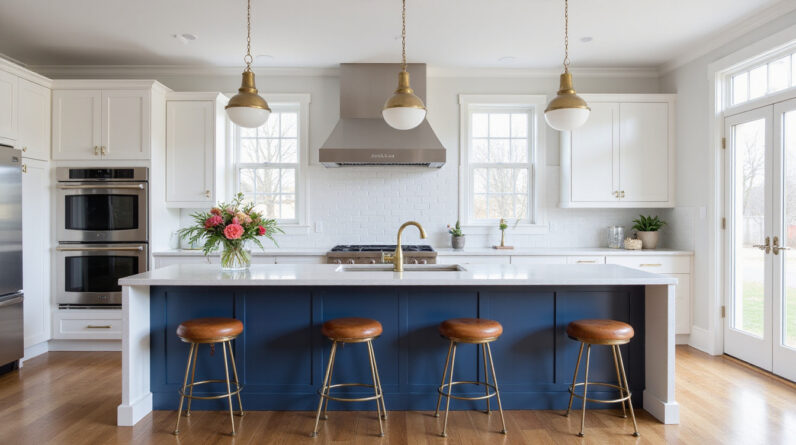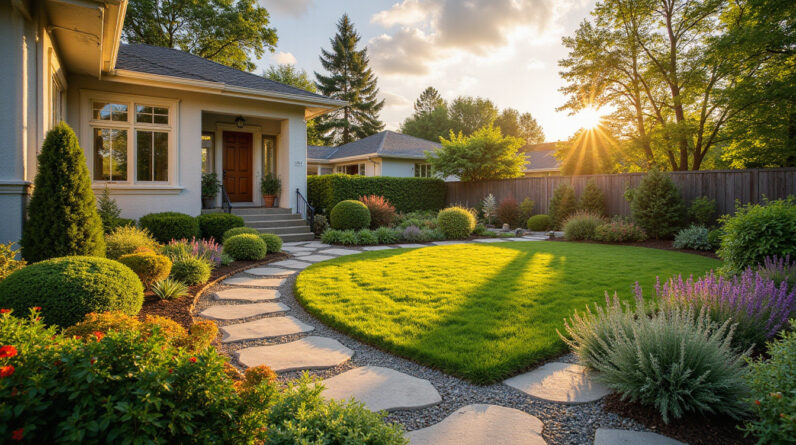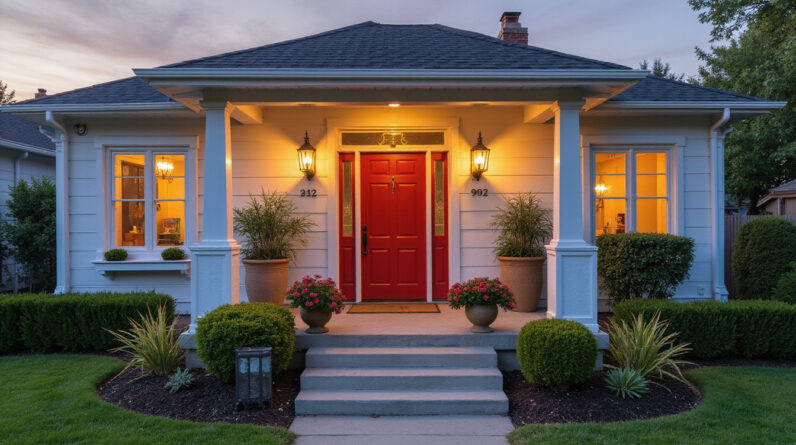


When it comes to refreshing your living space, house painting is one of the most impactful and cost-effective ways to transform your home’s interior and exterior. Whether you want to brighten a dull room, give your walls a fresh look, or boost your curb appeal, painting can instantly enhance the aesthetic and value of your property. However, to achieve professional-looking results, it’s essential to approach the project with the right techniques and preparation.

In this article, we will share essential house painting tips to help you create a beautiful, long-lasting finish both inside and outside your home.
Preparing for a Successful House Painting Project
Before you dip your brush into paint, preparation is key. Proper preparation can ensure your paint adheres well and the finish looks flawless for years to come.
Interior Preparation Tips
- Clear the area: Move furniture away from walls or out of the room, and cover surfaces with drop cloths to protect from paint splatters.
- Repair walls: Patch holes, cracks, and dents with spackle. Sand smooth once dry.
- Clean surfaces: Dirt and grease can prevent paint from sticking properly. Wipe down walls using mild soap and water.
- Prime the walls: If you’re painting over dark colors or stains, apply a primer to avoid bleed-through and get even coverage.
Exterior Preparation Tips
- Inspect for damage: Check for rotten wood, cracks, or chipped siding. Replace or repair as needed.
- Power wash the exterior: Remove dirt, mold, and loose paint for a clean surface.
- Scrape and sand: Remove all peeling or flaking paint to prevent future peeling.
- Caulk gaps: Seal gaps around windows, doors, and trim to prevent moisture intrusion.
Choosing the Right Paint for Interior and Exterior Walls
Selecting the right type of paint is crucial for durability and appearance.
- Interior paint: Choose paints with low or zero VOC (volatile organic compounds) for better indoor air quality. For high-traffic areas, use washable paints with a satin or semi-gloss finish. Bedrooms and living rooms often look best with eggshell or matte finishes for a softer look.
- Exterior paint: Use weather-resistant, acrylic latex paint, which adheres well to most surfaces and withstands the elements. Opt for finishes such as satin or semi-gloss for easy cleaning.
Essential House Painting Techniques and Tips
Mastering a few key techniques can help your painting project look professional.
Use the Right Tools
Invest in quality brushes, rollers, and painter’s tape. Synthetic brushes work well with latex paint, while natural bristles are better for oil-based paints.
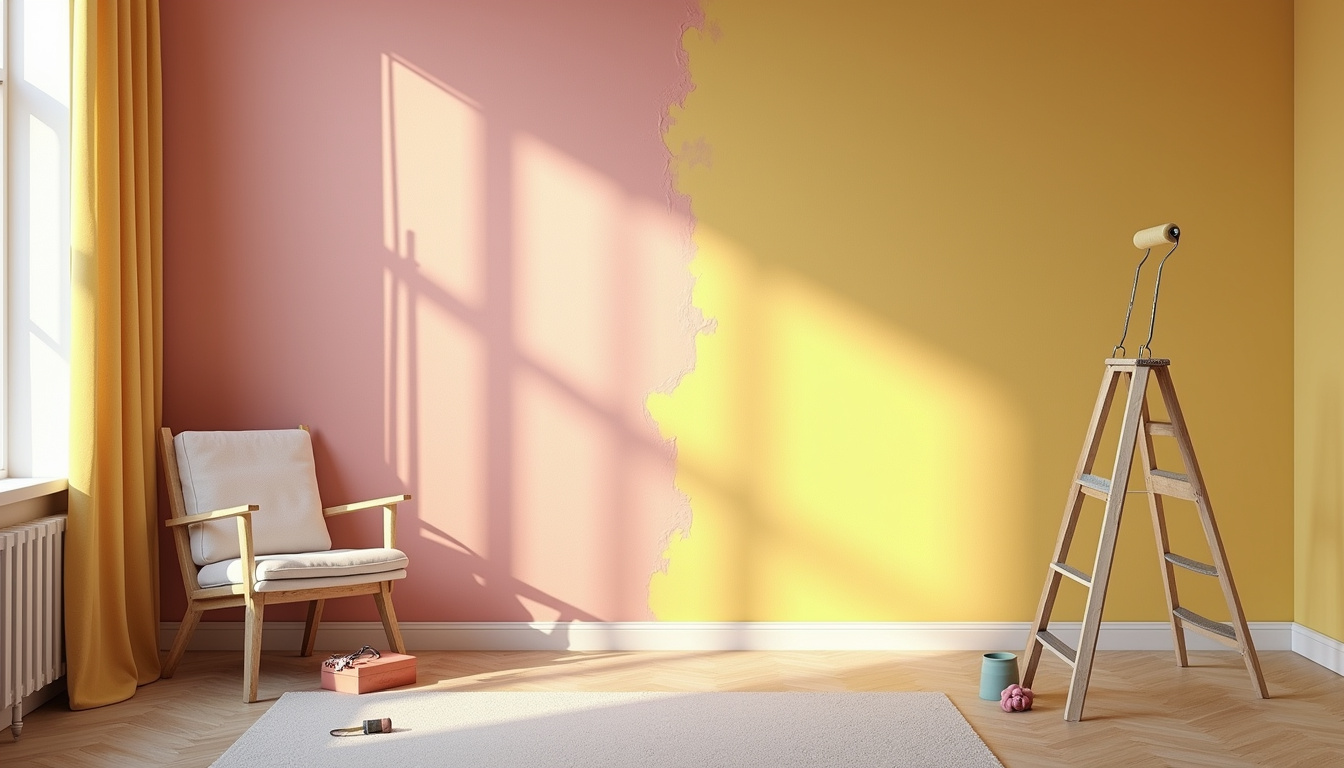
Painting Steps
- Cut in first: Paint along edges, corners, and trim with a brush before rolling large surface areas.
- Use a roller: For walls and ceilings, rollers cover large areas faster and provide an even coat.
- Apply multiple coats: Two coats generally give the best coverage and color depth. Allow adequate drying time between coats.
- Maintain a wet edge: Work in sections to avoid lap marks by blending wet paint into wet paint.
Avoid Common Mistakes
- Don’t rush the project; allow sufficient drying time between coats.
- Avoid painting in direct sunlight or very humid conditions, which affect drying and cause uneven coverage.
- Don’t overload your brush or roller to prevent drips and runs.
Creative Ideas to Transform Your Home with House Painting
Painting isn’t just about covering walls; it can define your home’s character. Here are some inspiring ideas:
- Accent walls: Add visual interest with a bold color on one wall.
- Two-tone walls: Use two complementary colors to create dimension.
- Painted ceilings: Consider lighter shades or subtle patterns to make ceilings pop.
- Exterior color schemes: Combine colors for siding, trim, and doors to elevate curb appeal.
- Furniture and fixtures: Revitalize old pieces with paint for a cohesive look.
Checklist: House Painting Preparation and Execution
To keep your project on track, here’s a useful checklist:
- Choose your paint color and finish.
- Gather supplies: paint, brushes, rollers, drop cloths, painter’s tape, primer, spackle, sandpaper.
- Prepare surfaces by cleaning and repairing.
- Protect floors and furniture with drop cloths.
- Tape off edges and trim.
- Apply primer if necessary.
- Cut in edges with a brush.
- Roll paint onto walls using even strokes.
- Allow sufficient drying time and apply a second coat.
- Remove painter’s tape carefully.
- Clean brushes and rollers promptly.
FAQ About House Painting
Q1: How often should I repaint the exterior of my house?
Typically, exterior paint lasts 5-10 years depending on climate, paint quality, and surface preparation. Regular inspections can help you spot areas that need touch-ups before full repainting is needed.
Q2: Can I paint over wallpaper instead of removing it?
While it’s possible to paint over wallpaper, it’s generally not recommended because the wallpaper can peel or bubble. Removing wallpaper and preparing the wall surface yields a better, longer-lasting finish.
Q3: What are the benefits of using low-VOC paints for interior walls?
Low-VOC (volatile organic compounds) paints emit fewer harmful fumes, improving indoor air quality and making painting safer for you and your family. They also have less odor and quicker drying times.
Final Thoughts: Transform Your Home with Confidence
House painting is a powerful way to uplift your living environment and boost your home’s value. Whether tackling interior walls or enhancing exterior curb appeal, following these house painting tips will help you achieve professional results. Remember, preparation is crucial, and investing time into choosing the right paint and tools makes all the difference.
Ready to get started on your painting project? Gather your supplies, pick your favorite colors, and transform your home with a fresh coat of paint today! For more expert advice and inspiration, visit trusted home improvement resources like the American Painting Contractors Association (source).
Give your home the makeover it deserves with paint—it’s easier than you think!