

Water damage poses a significant threat to the structural integrity and aesthetic appeal of your property. By investing in effective home waterproofing methods, you can safeguard your home against leaks, mold, and costly repairs. Whether you live in a region prone to heavy rains or simply want to preempt potential water damage issues, understanding and implementing the right waterproofing strategies is essential.

In this article, we will explore practical home waterproofing techniques, components that need attention, and how to maintain these measures over time to keep your property dry and protected.
Why Home Waterproofing Matters
Water intrusion can compromise the foundation, walls, ceilings, and internal framework of your home. Left unchecked, moisture can lead to:
- Structural decay and weakened foundations
- Mold and mildew growth that poses health risks
- Damage to electrical systems and appliances
- Unpleasant odors and aesthetic damage
Proper home waterproofing not only mitigates these risks but also enhances your home’s value and comfort. Early waterproofing measures are usually more cost-effective than extensive repairs after water damage occurs.
Key Areas to Focus on for Home Waterproofing
To fully protect your property, it’s important to address multiple points of vulnerability where water can enter. Here are the main areas that require careful waterproofing:
1. Basement and Foundation
Basements are among the most common places where water seeps in due to hydrostatic pressure around your home’s foundation. Waterproofing your basement can prevent flooding and moisture buildup.
- Apply waterproof coatings on interior or exterior foundation walls.
- Install a drain tile system to channel groundwater away.
- Seal foundation cracks with epoxy or polyurethane injections.
- Use sump pumps to remove any accumulated water.
2. Roof and Gutters
Your roof acts as the first line of defense against rain. Leaky roofs or clogged gutters can allow water to enter your home unnoticed.
- Inspect and repair any damaged or missing shingles.
- Use water-resistant underlayment beneath the shingles for extra protection.
- Clean gutters regularly to prevent overflow and water pooling.
- Install gutter guards to reduce debris accumulation.
3. Windows and Doors
Windows and doors can be vulnerable to leaks especially during storms. Proper sealing and installation reduce air and water infiltration.
- Use weatherstripping around frames to seal gaps.
- Apply caulking around joints and edges.
- Consider installing tilted sills to divert water away.
- Inspect and replace damaged frames or screens.
4. Walls and Exterior Surfaces
Walls can absorb moisture from rain or ground splash-back if not properly sealed.
- Apply water-resistant paints or sealants to exterior walls.
- Install proper siding or cladding materials that repel water.
- Check for and repair cracks or holes.
- Ensure proper grading so that the ground slopes away from the foundation.
Effective Home Waterproofing Materials and Products
Choosing the right materials plays a crucial role in successful home waterproofing. Here are common solutions used across various parts of the home:
- Waterproof Membranes: These are sheets or liquid-applied systems that create a continuous barrier over foundation walls or roofs.
- Sealants and Caulks: Silicone, polyurethane, and acrylic-based sealants help fill gaps and cracks preventing water ingress.
- Waterproof Paints: These coatings can be applied to basement walls or exterior surfaces to reduce water absorption.
- Drainage Systems: Including French drains or perimeter drains that redirect water away from your foundation.
- Sump Pumps: Electrical pumps that remove water accumulation inside basements.
Step-by-Step Home Waterproofing Process
If you want to tackle home waterproofing yourself or oversee a professional job, here’s a simplified breakdown of the process:
- Inspection and Assessment: Identify vulnerable spots such as cracks, leaks, or drainage problems.
- Surface Preparation: Clean and dry surfaces; remove loose paint or debris.
- Crack Repair: Use suitable fillers or injection methods for holes and cracks.
- Apply Waterproofing Products: Install membranes, sealants, or coatings as required.
- Install Drainage Solutions: Set up sump pumps, drainage pipes, or other water-redirecting systems.
- Maintain and Monitor: Perform regular inspection and upkeep to ensure ongoing protection.
Benefits of Professional Waterproofing Services
While homeowners can perform some waterproofing measures, professionals offer expertise, specialized equipment, and guarantee work quality. They provide comprehensive solutions tailored to your home’s unique needs, such as advanced foundation treatments or roof system installation.
According to the National Association of Home Builders, professional waterproofing reduces moisture-related problems significantly and enhances residential durability (source).
Preventive Tips to Maintain Home Waterproofing
Long-term waterproofing protection depends on routine maintenance. Here’s what you can do over time:
- Inspect your roof and gutters at least twice a year.
- Clean out debris from drainage systems to prevent blockages.
- Check basement walls and floors for damp spots or efflorescence.
- Reapply waterproof sealants every few years as advised.
- Keep landscaping and soil grading directing water flow away from the home.
FAQ About Home Waterproofing
Q1: What is the best method for home waterproofing the basement?
A: Applying waterproof membranes on exterior foundation walls combined with an interior drainage system and sump pump provides the best protection against basement water penetration.
Q2: How often should I inspect and maintain home waterproofing systems?
A: It’s recommended to check key areas like roofs, gutters, and basements at least twice annually, particularly after storms, to ensure all waterproofing measures remain intact.
Q3: Can home waterproofing prevent mold growth inside the house?
A: Yes, by controlling moisture ingress through proper waterproofing, you significantly reduce conditions favorable for mold and mildew development.
Conclusion: Protect Your Home Today with Trusted Waterproofing Strategies
Water damage can be a costly and distressing problem for any homeowner. Investing in effective home waterproofing strategies not only protects your property from immediate water damage but also preserves its value and livability over the long term. Whether you choose DIY methods for minor repairs or hire professionals for comprehensive waterproofing, prioritizing moisture control pays off.
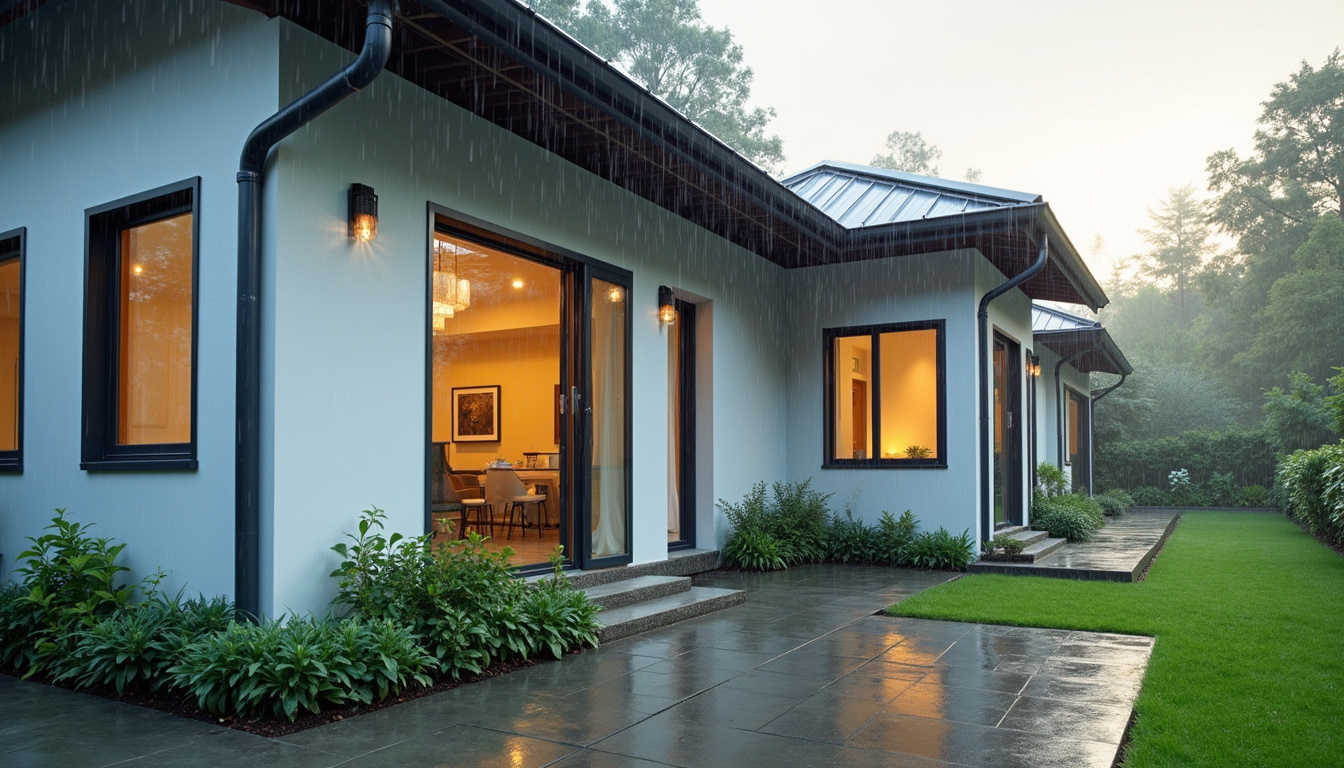
Don’t wait until you see signs of damage—inspect, repair, and upgrade your home waterproofing today. Start with the vulnerable areas like your basement, roof, and windows, and maintain these defenses proactively. Your home deserves reliable protection that stands up to water challenges year-round.
Ready to safeguard your investment? Consult with a trusted waterproofing expert to design a customized solution tailored for your property’s unique needs. Take action now and enjoy peace of mind with a dry, healthy home.