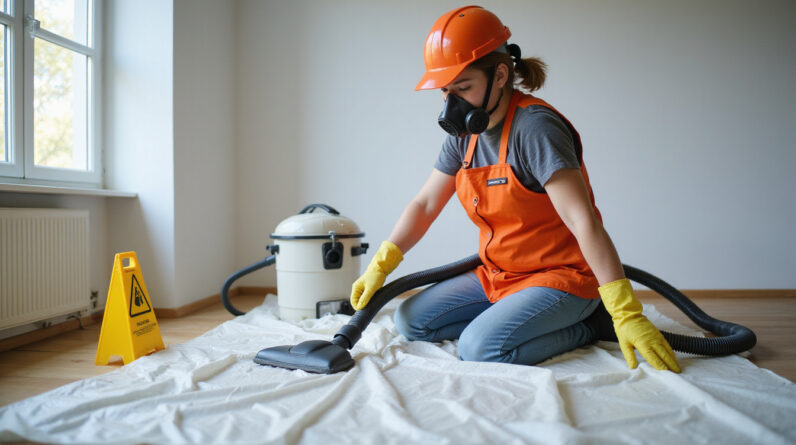


When it comes to elevating the look and feel of your home, choosing the right flooring materials can make all the difference. Flooring materials not only impact the overall aesthetic of your space but also play a significant role in functionality, durability, and comfort. Whether you are renovating a room or building a new home, understanding the different types of flooring materials available can help you make an informed decision that suits your style, budget, and lifestyle.

In this article, we’ll explore the top flooring materials that can transform your home’s interior design, highlighting their benefits, drawbacks, and ideal use cases to help you create the perfect foundation for your living spaces.
1. Hardwood Flooring – Classic Elegance and Durability
Hardwood flooring remains one of the most popular flooring materials, beloved for its timeless beauty and natural warmth. It can instantly raise the sophistication level of any room from living areas to bedrooms.
Benefits:
- Long-lasting and durable with proper maintenance
- Can be refinished multiple times to restore its original charm
- Wide variety of wood species, finishes, and plank sizes available
- Adds significant value to your home
Drawbacks:
- Prone to scratching and dents
- Sensitive to moisture and humidity changes
- Usually higher upfront cost compared to other materials
Ideal for traditional and contemporary interiors alike, hardwood floors bring a sense of luxury and comfort. Opt for oak, maple, or walnut for a range of colors and grain patterns.
2. Laminate Flooring – Affordable and Versatile Alternative
Laminate flooring offers an affordable option that mimics the look of natural hardwood or stone without the high price tag. It consists of a photographic layer under a clear protective coating, making it resistant to wear.
Benefits:
- Budget-friendly and easy to install (often DIY-friendly)
- Resistant to scratches and stains
- Available in a wide variety of styles and designs
- Low maintenance compared to natural wood
Drawbacks:
- Cannot be refinished once damaged
- May be less durable in very high-moisture environments
- Feels less warm and authentic than real wood
Laminate flooring materials are perfect if you want the aesthetic appeal of wood or stone but require a durable and cost-effective solution.
3. Vinyl Flooring – Water-Resistant and Stylish
Vinyl flooring materials have evolved significantly from their humble origins to become one of the most practical and stylish options on the market. Modern vinyl comes in sheets, tiles, or planks that can replicate wood, tile, or stone looks convincingly.

Benefits:
- Highly water-resistant, ideal for kitchens, bathrooms, and basements
- Comes in a variety of textures and colors
- Soft underfoot and sound-absorbing
- Durable and easy to clean
Drawbacks:
- May fade or discolor over time with direct sunlight exposure
- Lower resale value compared to hardwood
- Not biodegradable, raising environmental concerns
Thanks to its versatility and affordability, vinyl flooring materials suit families, pet owners, or busy households where moisture resistance and easy maintenance are priorities.
4. Tile Flooring – Durable and Design-Friendly
Tiles are an excellent choice for versatility and durability. Available in ceramic, porcelain, or natural stone varieties, tiles can fit both indoor and outdoor spaces with ease.
Benefits:
- Extremely durable and water-resistant
- Available in endless designs, patterns, and finishes
- Perfect for high-traffic areas and rooms prone to moisture
- Easy to clean and maintain
Drawbacks:
- Can feel cold and hard underfoot
- Installation can be labor-intensive and costly
- Grout requires periodic cleaning and resealing
Tile flooring materials work well in kitchens, bathrooms, entryways, and even living rooms, especially when layered with area rugs for warmth.
5. Carpet – Comfort and Warmth
Carpet flooring materials remain a favorite, especially in bedrooms and cozy living areas, due to their softness and insulation properties. They come in various fibers such as wool, nylon, polyester, and more.
Benefits:
- Provides comfort and warmth underfoot
- Great sound insulation properties
- Wide range of colors, textures, and patterns
- Adds a cozy, inviting atmosphere
Drawbacks:
- Can stain easily and require regular cleaning
- Not ideal for homes with allergies or asthma sufferers
- Typically less durable than hard surface floors
Choose carpet if comfort and warmth are your priorities, particularly in cold climates or zones where bare feet prevail.
6. Bamboo Flooring – Eco-Friendly and Stylish
Bamboo is a sustainable and increasingly popular flooring material option. It offers a similar aesthetic to hardwood but is more environmentally friendly because bamboo is a fast-growing grass rather than a tree.
Benefits:
- Environmentally sustainable and renewable
- Strong and durable, sometimes harder than traditional hardwood
- Naturally resistant to moisture and insects
- Unique, modern look that complements many décor styles
Drawbacks:
- Quality can vary significantly between manufacturers
- Susceptible to scratches and can fade with sun exposure
- Requires professional installation for best results
For eco-conscious homeowners looking for a stylish and green flooring option, bamboo flooring materials are worth consideration.
How to Choose the Right Flooring Materials for Your Home
When choosing flooring materials, consider these key factors:
- Location – Different rooms have different needs regarding moisture resistance, durability, and comfort.
- Budget – Flooring materials vary widely in cost from affordable laminates to premium hardwoods.
- Lifestyle – Homes with pets, kids, or high foot traffic demand durable, easy-to-maintain flooring.
- Aesthetic – Match materials that complement your home’s interior design theme.
- Installation – Some flooring materials are DIY-friendly; others require professional installation.
Frequently Asked Questions
Q1: What are the most durable flooring materials for a busy household?
A: Hardwood, tile, and vinyl flooring materials are excellent choices for busy households due to their durability and ease of maintenance. Vinyl is especially good for moisture-prone areas.
Q2: Are vinyl flooring materials eco-friendly?
A: While vinyl is highly functional, it is less eco-friendly due to its synthetic composition and challenging recyclability. Alternatives like bamboo or cork offer more sustainable options.
Q3: How often should hardwood flooring be refinished?
A: Hardwood flooring typically requires refinishing every 7-10 years depending on foot traffic and wear, which helps restore its beauty and extend its lifespan.
Conclusion
Selecting the right flooring materials is essential to creating a comfortable, stylish, and functional home interior that you’ll love for years to come. From the timeless warmth of hardwood to the modern practicality of vinyl or the eco-friendliness of bamboo, there are flooring options to suit every taste, budget, and lifestyle.
For a home transformation that combines aesthetic appeal with durability, carefully weigh your options, consider your space’s unique demands, and don’t hesitate to consult flooring professionals when needed. By investing in quality flooring materials, you elevate not just your floors but the entire home experience.
Ready to transform your home with perfect flooring materials? Explore local suppliers, request samples, and start designing your dream floors today. Your ideal home foundation awaits!
For an in-depth guide on flooring types and installation tips, visit the Home Floor Guide by the National Wood Flooring Association (NWFA) here.