

Skylight installation can be one of the most impactful home improvements you make: it brightens interiors with natural light, improves ventilation, and—when done correctly—reduces heating and lighting costs. Whether you’re remodeling a dim kitchen, converting an attic, or simply trying to make your living room feel larger, a smart skylight installation will change how you live in the space and add measurable value to your home.

Why skylights transform rooms: light, space, and mood
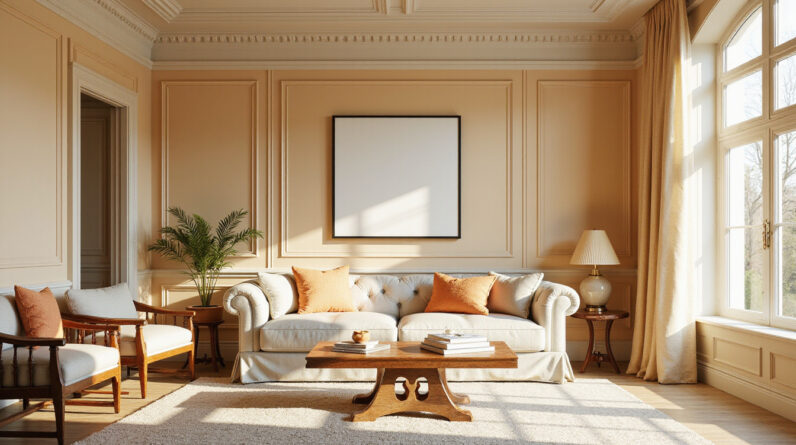
Natural light changes everything. A well-placed skylight brings daylight deep into a room where vertical windows can’t reach, making spaces feel bigger, cleaner, and more welcoming. That boost in daylight has mental and physical benefits—improved mood, better productivity, and a healthier circadian rhythm. For designers and homeowners alike, skylight installation is often the quickest way to reframe a room without major structural changes.
How a skylight installation slashes energy bills
One of the biggest misconceptions is that skylights automatically increase heating and cooling costs. Modern skylights have high-performance glazing, low-emissivity coatings, and insulated frames that reduce heat loss in winter and limit heat gain in summer. When paired with strategic placement and shading, skylight installation can reduce the need for electric lighting during daytime hours and cut HVAC loads by improving passive solar heating and natural ventilation.
For example:
- South-facing skylights can provide passive solar gain in colder climates.
- Venting skylights allow hot air to escape in warm weather, reducing cooling costs.
- Tubular skylights deliver daylight to smaller rooms with minimal thermal impact.
According to the U.S. Department of Energy, energy-efficient skylights and proper installation techniques can significantly improve a home’s overall energy performance (source).
Types of skylights and which one fits your project
Knowing the differences will help you choose the right solution for your goals:
- Fixed skylights: Non-opening, best for bringing daylight into a space where ventilation isn’t needed.
- Venting skylights: Open electronically or manually to let hot air escape and improve airflow.
- Tubular skylights (solar tubes): Compact, ideal for small rooms, hallways, or closets where a full skylight won’t fit.
- Roof window systems: Larger, often used in attics and loft conversions; some double as balconies or fire escapes.
Each type has pros and cons related to daylight, ventilation, installation complexity, and energy performance. Consider your climate, roof slope, and the room’s purpose when choosing an option.
The skylight installation process: what to expect
A quality skylight installation follows logical steps and addresses weatherproofing, insulation, and structural integrity. Here’s a typical sequence:
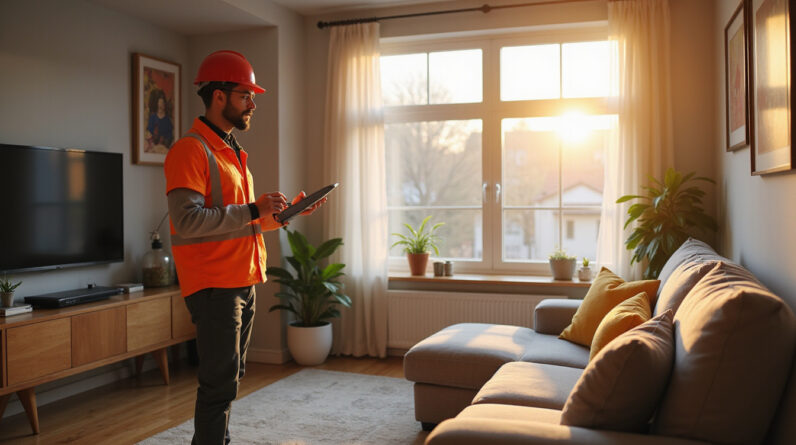
- Site evaluation: Assess roof structure, framing, attic clearance, and sun path.
- Permit and planning: Secure local permits and confirm flashing and insulation details.
- Cutting and framing: Create the rough opening and reinforce rafters if necessary.
- Flashing and sealing: Install step-flashing, underlayment, and leak-proof seals.
- Skylight placement: Set the skylight, secure it, and complete interior finishes.
- Insulation and trim: Seal gaps, add insulation, and finish interior trim.
- Testing and cleanup: Check for leaks, ensure proper operation, and clean the installation.
A good contractor will walk you through each step and provide a detailed quote that separates labor, materials, flashing system, and any structural work.
Benefits beyond energy savings: comfort and resale
Skylight installation is not only about lower bills—it also changes comfort levels and perceived home quality. Bright, airy rooms are more appealing to buyers; real estate listings often highlight natural light as a key selling feature. In many markets, homes with thoughtfully executed skylights can command higher sale prices and sell faster than comparable properties without them.
Practical considerations: placement, orientation, and glazing
To maximize benefits and avoid problems:
- Avoid placing skylights where direct glare will interfere with screens or reading areas.
- Use diffusing glazing or shades to manage harsh midday sun.
- Choose high-performance glass with multiple panes, low-E coatings, and gas fills for better thermal performance.
- Consider automated blinds or exterior shades for large south-facing units.
Permits, costs, and expected ROI
Costs vary widely based on skylight type, roof complexity, and local labor rates. Typical price ranges:
- Tubular skylights: $500–$1,500 installed
- Fixed skylights: $800–$2,500 installed
- Venting skylights: $1,200–$3,500 installed
- Large roof windows or custom installations: $3,000–$10,000+
Return on investment comes from energy savings, increased home value, and improved livability. While precise payback depends on usage and climate, homeowners often see meaningful reductions in daytime lighting costs and enjoy more marketable homes when selling.
Choosing the right contractor for skylight installation
Pick a contractor who specializes in skylights or roof-mounted fenestration. Ask for:
- Proof of licensing and insurance
- References and before/after photos
- Manufacturer-authorized installer status
- A clear warranty that covers both the skylight unit and workmanship
Avoid firms that cut flashing corners; a majority of skylight problems stem from poor flashing and sealing. A reputable installer will also advise on insulation details and recommend flashing systems compatible with your roof type.
Maintenance and troubleshooting after installation
Skylights are relatively low maintenance, but a little attention extends their life:
- Clean glazing with mild soap and water—avoid abrasives.
- Inspect exterior flashing annually and after severe storms.
- Check seals and interior trim for condensation or staining.
- Replace seals or the entire unit if you notice persistent leaks or fogging between panes.
If you experience leaks, call your installer before attempting DIY fixes; improper repairs can void warranties.
One bulleted checklist before you commit
- Verify roof structure and slope are suitable.
- Confirm local permit requirements.
- Choose glazing appropriate for climate.
- Decide between fixed, venting, or tubular options.
- Get at least three written quotes with itemized costs.
- Confirm installer warranty and product warranty.
- Ask about daylight control options (blinds/shades).
FAQ — short answers to common questions
Q: How much does skylight installation typically cost?
A: Skylight installation cost depends on type (tubular, fixed, venting), roof complexity, and local labor. Expect a broad range from roughly $500 for a small tubular unit to $10,000+ for custom roof-window systems. Always get itemized quotes.
Q: What are the main benefits of skylight installation?
A: Benefits include increased natural light, potential energy savings on lighting and HVAC, better ventilation with venting models, and improved home value and appeal.
Q: How do I find a trustworthy skylight installation contractor?
A: Look for licensed, insured installers with manufacturer authorization, local references, clear warranties, and detailed written proposals that include flashing and insulation steps.
Authoritative guidance and standards
For technical guidance on skylight energy performance and recommended practices, consult the U.S. Department of Energy’s skylight and roof-product resources to understand glazing options and proper installation best practices (source).
Conclusion and call to action
A thoughtful skylight installation does more than brighten a room—it improves comfort, reduces energy use, and elevates home value. If you’re planning a remodel or want to solve a dark, underused room, start with an on-site evaluation from a qualified installer. Schedule a consultation this month to compare skylight types, flashing systems, and energy-saving options tailored to your roof and climate. Bringing daylight into your home is an investment you’ll notice every day—reach out to an expert and take the first step toward a brighter, more efficient living space.