

Why asbestos removal matters for every homeowner
Asbestos removal should be a top priority for homeowners when asbestos-containing materials are found in a house. Disturbing asbestos — during renovation, repairs, or general wear and tear — can release tiny fibers that, if inhaled, increase the risk of lung disease and cancer. Understanding safe, practical steps to identify, manage, and remove asbestos protects you, your family, and contractors who enter your home.

How to recognize possible asbestos in your home
Asbestos was widely used in homes built before the 1980s. Common locations include:
- Insulation around pipes, boilers, and ductwork
- Popcorn ceilings, textured paints, and joint compounds
- Vinyl floor tiles, backing, and adhesives
- Roof shingles and siding
- Cement pipe, shingles, and certain automotive parts
If your house was built or remodeled before 1980, any damaged or disturbed material in these places should be treated as potentially asbestos-containing until tested. Do not cut, sand, or scrape suspicious materials.
Initial safety steps every homeowner must take
- Stop work immediately: If asbestos is suspected during a renovation or repair, cease activity to avoid further disturbance.
- Evacuate the area: Keep children, pets, and nonessential people away from the affected space.
- Isolate and seal: Close doors and shut HVAC systems in the area. Use plastic sheeting and tape to seal the space if safe to do so.
- Avoid vacuuming or sweeping: These actions can spread fibers. Use a wet cleaning method only if trained.
- Call a professional: Contact an accredited asbestos inspector or abatement contractor for testing and guidance.
A clear checklist for immediate action
- Don’t touch or try to remove suspect materials.
- Stop any work that’s creating dust.
- Close off the room and shut vents.
- Cover furniture and floors with plastic sheeting.
- Call a licensed asbestos professional for testing.
Testing: what to expect and why it matters
Only a laboratory analysis can confirm whether a material contains asbestos. Accredited inspectors will take samples using containment and PPE to prevent fiber release. The sample is sent to a certified lab for microscopic analysis. Relying on visual judgement alone is risky; safe decision-making depends on accurate testing.
DIY vs. professional asbestos removal: when to hire a contractor
Small, undisturbed asbestos-containing materials in good condition can often be left in place and monitored (encapsulation or enclosure). However, removal is usually the safest option when materials are damaged, friable (easily crumbled), or will be disturbed by renovations.
Hire a licensed asbestos abatement contractor if:
- You plan structural or major renovations in affected areas.
- Asbestos material is deteriorating or damaged.
- The material is in a living area or high-traffic zone.
- Regulations in your jurisdiction require licensed removal for certain materials.
Professionals bring containment equipment, negative air machines, HEPA filtration, and disposal know-how. They also handle permits and follow local and federal rules for safe transport and disposal. The EPA provides guidance on asbestos safety and standards that homeowners should follow (https://www.epa.gov/asbestos) (EPA).
Preparing your home if removal is scheduled
Before abatement begins, do a few things to protect household members:
- Make alternative living arrangements if advised by the contractor.
- Remove or protect personal items from the work zone; clean items with wet methods or HEPA vacuums afterwards.
- Turn off forced-air heating and cooling systems and seal vents in the work area.
- Arrange for pets to stay elsewhere until the work is complete.
- Keep a written contract and a clear scope of work from the contractor, including test and clearance procedures.
What to expect during professional asbestos removal
A licensed contractor will:
- Set up containment using plastic sheeting and negative pressure systems.
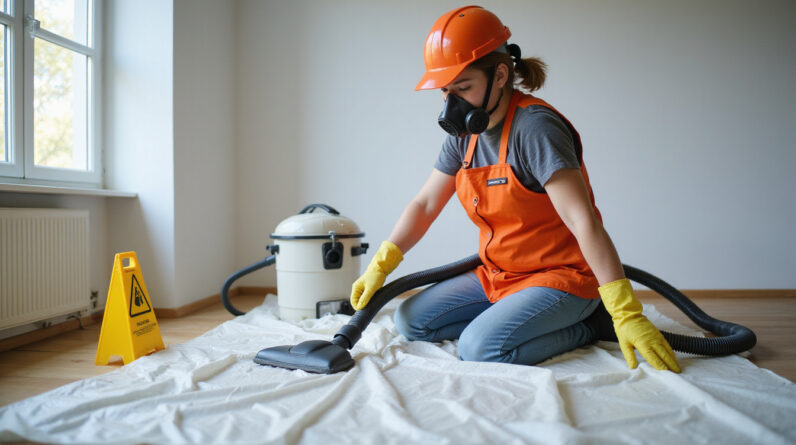
- Use PPE including respirators, disposable suits, gloves, and booties.
- Wet asbestos materials to minimize fiber release during removal.
- Place removed materials in sealed, labeled containers for transport.
- Use HEPA-filtered vacuums and final wet wiping for cleaning.
- Conduct air clearance testing to confirm the area is safe before reoccupying.
Safe disposal and documentation
Asbestos waste must be handled and disposed of at approved facilities. Contractors should provide manifests and documentation showing how and where the waste was disposed. Keep copies of all testing reports, contracts, and disposal paperwork for your records and for any future buyers.

Costs and planning considerations
Costs for asbestos removal vary widely depending on the material, area size, accessibility, and local regulations. Get multiple quotes from licensed contractors and ask for itemized bids. Don’t choose a contractor based solely on price; experience, licensing, insurance, and clear procedures are more important for safety.
Health risks and long-term monitoring
Exposure to asbestos may not cause symptoms immediately; illnesses can take years to develop. If you believe you’ve been exposed, inform your doctor and discuss long-term monitoring. Keep records of exposure incidents and professional assessments.
Legal and regulatory considerations
Many jurisdictions require licensed removal for certain types of asbestos work. Homeowners may be held liable for improper handling or disposal. Always check local regulations and insist on documentation from contractors showing compliance.
One bulleted list for emergency steps to follow if asbestos is disturbed
- Stop all activity immediately and leave the area.
- Shut doors and HVAC systems to contain fibers.
- Avoid any actions that create dust (no sweeping or vacuuming).
- Tape off and mark the affected area to warn others.
- Call a licensed asbestos inspector or abatement contractor right away.
FAQ — common homeowner questions
Q: What is the difference between asbestos removal and asbestos abatement?
A: Asbestos removal specifically means taking asbestos-containing materials out of a building. Asbestos abatement is a broader term that includes removal, enclosure, encapsulation, and other methods to reduce asbestos hazards. Both approaches aim to control exposure.
Q: How do I know if I should be doing asbestos removal myself?
A: Homeowners should avoid DIY asbestos removal unless the material is nonfriable, in excellent condition, and local regulations allow homeowner removal. For most situations, especially friable materials or areas larger than a small patch, hire a licensed professional to guarantee safety and legal compliance.
Q: How much does asbestos removal cost and how long does it take?
A: Costs depend on the type of material, the area affected, and the complexity of containment. Small jobs may take a day; larger abatement projects can take several days to weeks. Get several quotes and require a clear timeline and scope in writing.
Authoritative reference
For detailed federal guidance on asbestos hazards, testing, and abatement procedures, refer to the U.S. Environmental Protection Agency’s asbestos page (https://www.epa.gov/asbestos) (EPA).
Final steps and protecting your home going forward
After removal and clearance testing, follow the contractor’s re-occupancy instructions. Maintain records of all tests, abatement reports, and disposal manifests. If you renovate again, inform contractors of past asbestos issues and provide them with documentation so they can plan safely.
Call to action
If you suspect asbestos in your home, don’t wait. Stop any activity that could spread fibers, and contact a licensed asbestos inspector or abatement professional today for testing and guidance. Protecting your home now prevents long-term health risks and ensures your family can live, work, and renovate safely. Request a certified inspection and clear plan — your safety is worth the careful steps.