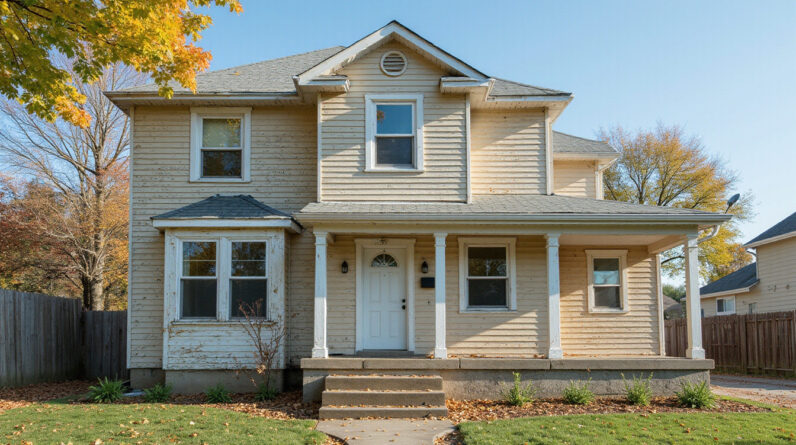


If you suspect your home has lead-based paint, lead paint removal should be a top priority—especially if you have children, pregnant people, or pets. Lead exposure can cause serious health problems, and the process of removing or disturbing old paint can release toxic dust. This guide gives practical DIY safety tips and affordable professional alternatives so you can make a safe, informed decision for your household.

Why lead paint is dangerous
Lead was commonly used in household paint before it was banned for residential use in the U.S. in 1978. When lead paint chips or is disturbed through sanding, scraping, or renovation, it creates dust and debris that people can inhale or ingest. Young children are particularly vulnerable because of hand-to-mouth behavior and developing nervous systems. Even low levels of lead exposure can affect learning, behavior, and growth. For authoritative health and safety guidance, see the EPA’s lead page (https://www.epa.gov/lead).
When to DIY and when to hire a pro
Not all lead paint situations require a full professional abatement. Consider DIY only if:
- The area is small and you can control dust and contamination (e.g., a minor trim piece).
- You can follow lead-safe work practices, have the right PPE and equipment, and are willing to take the time for careful cleanup.
- No children under six, pregnant people, or other vulnerable individuals will be in the home during or immediately after the work.
Hire a certified professional if:
- Large areas (multiple rooms, exterior siding) contain lead paint.
- You’ll be doing major renovation, demolition, or disturbing painted surfaces extensively.
- The home houses children under six, pregnant people, or residents with health vulnerabilities.
- You prefer a guaranteed clearance test (post-abatement dust wipe) and written documentation.
Essential safety steps for DIY lead paint removal
If you decide to tackle a small job yourself, follow strict safety steps to protect your household and the environment. Below is a concise checklist to use before, during, and after the work.
Basic supplies and protections you’ll need:
- Test kits or professional lab testing to confirm lead presence.
- NIOSH-approved respirator with P100 filters (not just dust masks).
- Protective clothing—disposable coveralls, gloves, shoe covers.
- HEPA vacuum for cleanup and dust control.
- Plastic sheeting and tape to seal off work area.
- Chemical strippers rated as safer alternatives to abrasive removal or power sanding.
- Wet methods (spray bottle and rags) to minimize dust.
- Proper disposal bags and a plan for disposing of contaminated waste.
Step-by-step practices for safer DIY lead paint removal
- Test first: Use a reliable test kit or hire a certified inspector. Confirm which layers contain lead.
- Isolate the area: Close doors, cover vents, and seal doorways with heavy plastic sheeting. Post signs to keep others away.
- Control dust: Avoid dry sanding, scraping, or using heat guns above 1100°F (which can vaporize lead). Use wet-scraping, chemical strippers, or low-heat methods recommended for lead paint.
- Use PPE: Wear a fitted P100 respirator, gloves, eye protection, and disposable clothing. Keep contaminated clothing out of living spaces and launder separately if reusable.
- Clean thoroughly: After work, clean with a HEPA vacuum then wet-wipe surfaces with a lead-specific cleaning solution or a mixture of water and TSP (trisodium phosphate) following product directions.
- Test clearance: If in doubt, order dust-wipe testing by a certified professional to confirm surfaces meet clearance standards.
Affordable professional alternatives
- Renovation, Repair, and Painting (RRP) contractors: Look for contractors certified under the EPA RRP rule. These contractors use lead-safe practices and may be more affordable than full abatement services for targeted work (windows, doors, small rooms).
- Lead-survey-first approach: Pay for a professional inspection and risk assessment. A survey can identify exact areas with lead paint so you only treat contaminated spots rather than entire rooms—often a significant cost saver.
- Partial abatement and encapsulation: For sound paint that contains lead but isn’t flaking, encapsulation (applying an approved coating) can be a safe, lower-cost option instead of removal. Encapsulation must be done correctly to be durable.
- Community programs and grants: Local health departments, housing agencies, or non-profits sometimes offer financial assistance, free testing, or low-cost remediation for eligible low-income homeowners. Check local resources and grants before committing to private contractors.
Practical techniques that reduce cost and risk
- Prioritize high-risk areas: Start with window sills, doors, and stair railings—places kids touch and where friction releases dust.
- Combine tasks: If you’re painting, hire an RRP-certified contractor for targeted prep rather than full abatement; you’ll gain lead-safe prep at lower cost.
- Use encapsulation on stable surfaces: Where paint is intact, encapsulation can extend safe life without disturbing lead layers.
- Get multiple bids that include clearance testing to compare real total costs rather than hourly rates alone.
Cleanup, disposal, and legal requirements
Proper cleanup and disposal are essential. Use a HEPA vacuum to remove dust, then wet-wipe all surfaces. Place all debris, used rags, and disposable protective gear in heavy-duty bags and follow local hazardous-waste disposal guidelines—don’t discard contaminated waste in regular bins without checking rules. Many municipalities list hazardous waste drop-off sites on their websites.
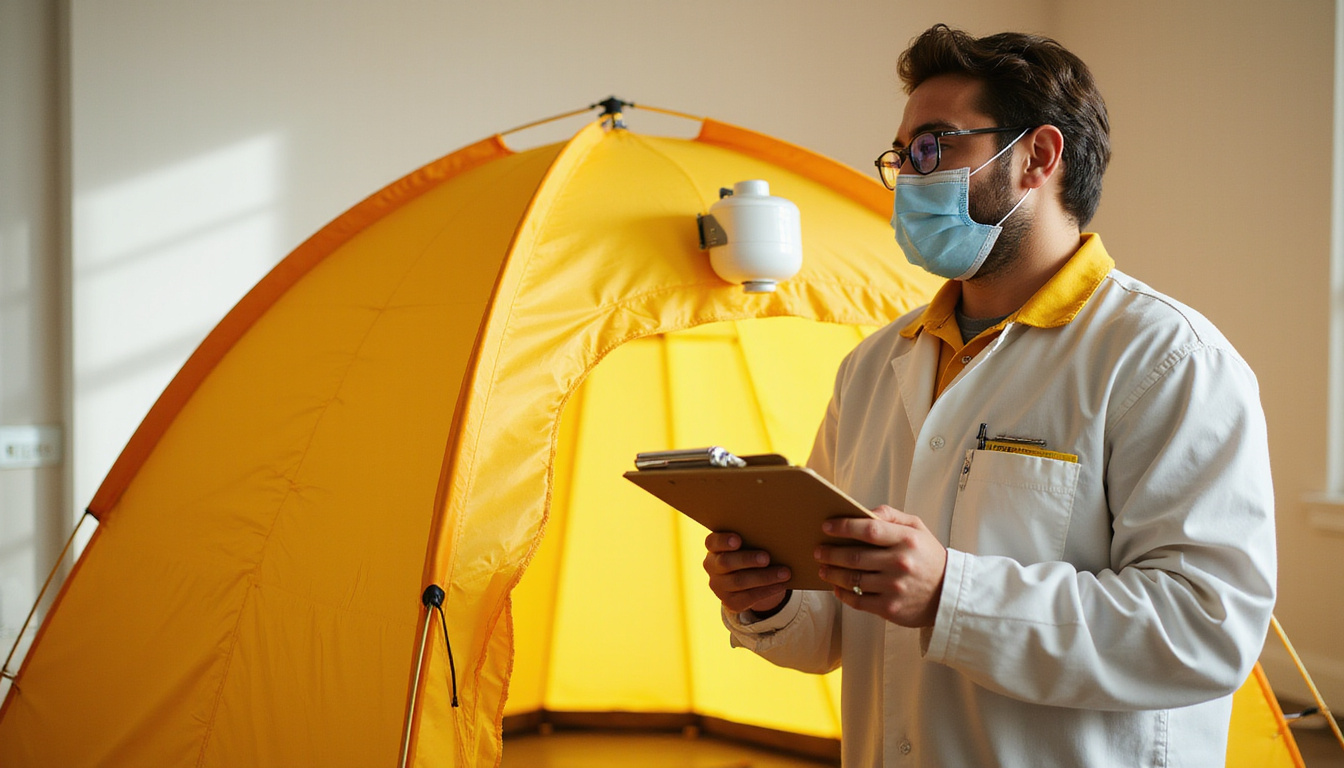
Know the regulations: The EPA RRP rule requires that contractors working on homes built before 1978 are trained and certified. Homeowners doing their own work aren’t required to be certified, but following the rule’s lead-safe practices reduces risk and liability (source).
Costs and funding help
Costs vary widely—DIY kits and supplies are modest for small jobs, while professional abatement can range from a few hundred to many thousands of dollars depending on scope. Free or reduced-cost options may be available:
- State and local housing programs often offer grants or loans.
- Medicaid, public health departments, and some community action agencies can assist families with lead poisoning prevention or remediation.
- Non-profit organizations sometimes run lead-safe programs for at-risk communities.
FAQ — Quick answers to common questions
Q: How much does lead paint removal cost?
A: Lead paint removal cost depends on the scope. Small DIY projects (testing, supplies) might be under a few hundred dollars; professional RRP contractors for minor renovations often cost several hundred to a few thousand; full abatement for larger homes can cost $5,000–$15,000+ depending on area and complexity. Ask for written estimates and clearance testing included in the price.
Q: Can I do lead paint removal DIY safely?
A: Yes, for small, contained jobs you can do lead paint removal DIY safely if you follow lead-safe work practices: test first, isolate the area, use wet methods, wear a proper respirator and PPE, and clean with HEPA equipment. Avoid dry sanding, open flame, and power tools that create dust.
Q: What are affordable professional alternatives to full removal?
A: Consider RRP-certified contractors for targeted repairs, encapsulation for stable paint surfaces, or partial abatement focused on high-risk areas. Also explore local grants or community programs that subsidize remediation.
Final checklist before you start
- Test for lead before disturbing paint.
- Clear the area of people, pets, and furniture.
- Seal off and ventilate workspaces properly.
- Use appropriate PPE and HEPA-grade cleanup tools.
- Consider professional assessment and clearance testing for peace of mind.
Conclusion — Take safe action now
Lead paint removal is a health-critical task, but you don’t have to choose between risky DIY and unaffordable full abatement. By testing first, using lead-safe work methods, and exploring affordable professional alternatives like RRP-certified contractors or encapsulation, you can protect your family without breaking the bank. If you suspect lead in your home, schedule testing, weigh your options, and prioritize safety. For personalized guidance or to find certified contractors and local assistance programs, contact your local health department or visit the EPA’s lead resources (https://www.epa.gov/lead). Don’t wait—make a plan today to reduce lead risks and keep your home safe.