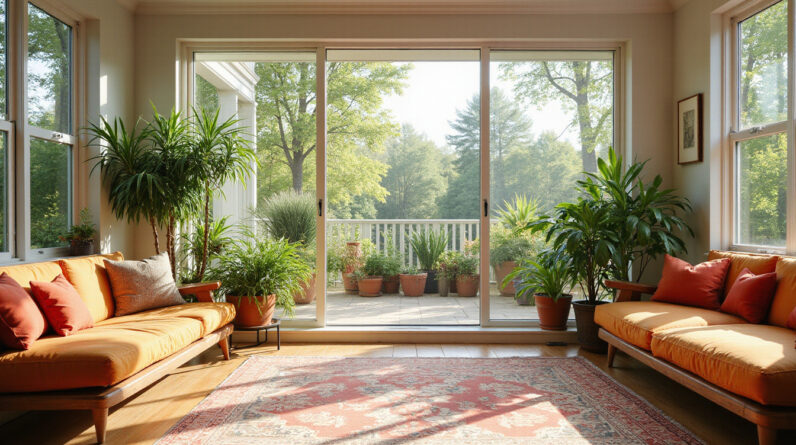


Landscaping can transform a house into a home and dramatically boost curb appeal without a major remodel. The right landscaping choices clarify your property’s personality, make the entrance more inviting, and often add measurable value. This guide breaks down practical, budget-conscious secrets every homeowner can use to make their front yard—and overall property—stand out.

Why smart landscaping matters
Good landscaping does more than look pretty. It establishes first impressions, frames architectural features, reduces maintenance stress, and can even improve energy efficiency by shading and windbreaking. According to the American Society of Landscape Architects, thoughtful landscape design increases property value and can enhance outdoor living (https://www.asla.org). Starting with a strategy keeps projects focused and cost-effective.
Start with a clear plan
Before buying plants or hardscape materials, walk your property and sketch a simple plan. Note the:
- Sun and shade patterns throughout the day
- Native plants and existing mature trees worth keeping
- High-traffic pathways and utility locations
- Views you want to emphasize or screen
A basic plan prevents impulse purchases and helps select plants that thrive in your specific conditions.
Choose the right plants for your climate and soil
Plants that are well-suited to local climate and soil will look better and require less water and care. Use native species where possible—they’re adapted to local pests, weather, and nutrient conditions. Mix evergreen structure (for year-round form) with seasonal bloomers for color. Group plants with similar water needs together to simplify irrigation.
Design for all seasons
To keep curb appeal year-round, plan for seasonal interest:
- Spring: early-blooming bulbs and shrubs
- Summer: long-blooming perennials and grasses
- Fall: foliage color and late-season blooms
- Winter: evergreens and textured stems or attractive bark
Balance color, texture, and silhouette so your yard reads as purposeful even when flowers aren’t at peak.
Use hardscaping to define and guide
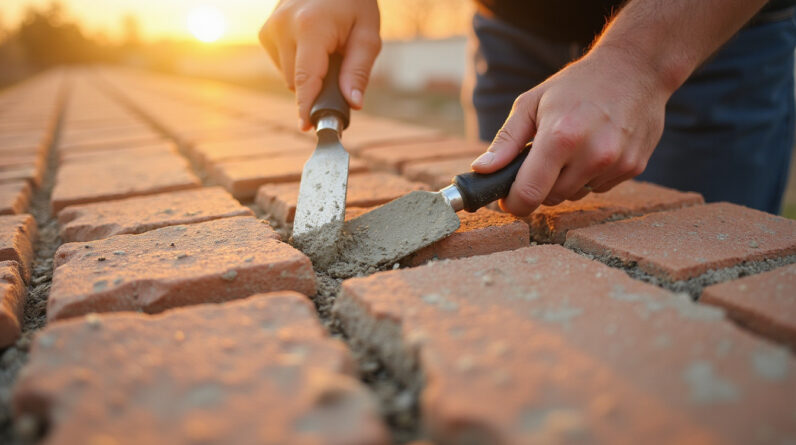
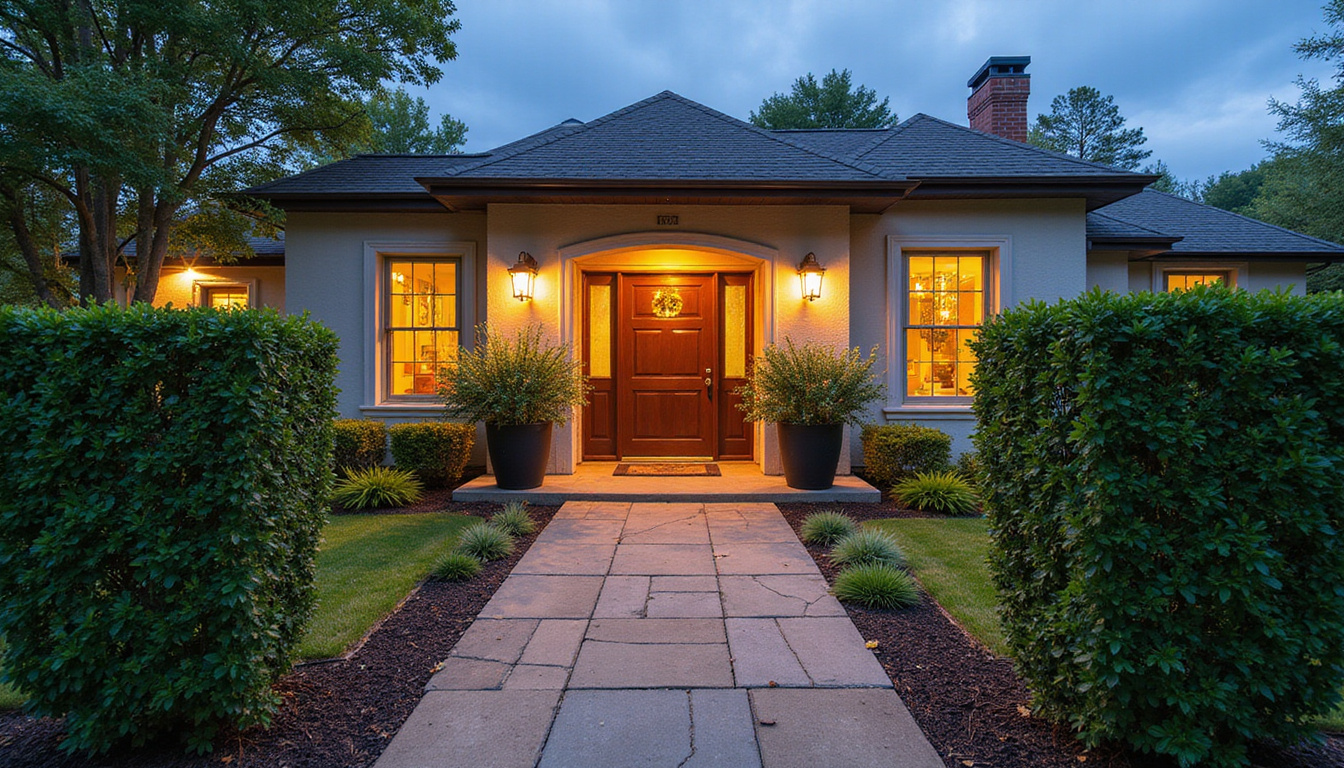
Hardscaping—walkways, patios, retaining walls, and steps—should complement your home’s style and guide visitors naturally. A well-placed path directs guests to your front door, and a small seating area or focal point (like a specimen tree or fountain) adds visual interest. Choose materials that match the scale and age of your home: natural stone for classic homes, clean pavers for modern designs, and reclaimed materials for rustic properties.
Think about scale, proportion, and repetition
Plants and features should be in proportion to the house. Large shrubs in front of a small porch can overwhelm it; tiny flowers in front of a two-story facade will get lost. Use repetition—echoing a plant or material across the landscape—to create cohesion and rhythm that’s pleasing to the eye.
Lighting changes everything
Good exterior lighting extends the usefulness of outdoor spaces and highlights architectural and landscape features. Focus on:
- Path lighting to safely guide visitors
- Uplighting to accentuate trees and facades
- Step lighting for safety and depth
Low-voltage LED fixtures are energy-efficient and durable, making them a smart long-term investment.
Make maintenance manageable
Curb appeal suffers when yards look neglected. Choose low-maintenance plants and simplify beds with drought-tolerant groundcovers, mulch to suppress weeds, and drip irrigation for efficient watering. Consider grouping plants by maintenance needs so pruning and feeding can be done in focused tasks.
Budget-friendly curb appeal upgrades
You don’t need a big budget to make a big impact. Small changes often yield the highest return:
- Refresh mulch and edge garden beds for a crisp look.
- Replace tired hardware on the front door and add a fresh coat of paint.
- Install a simple pathway using gravel or stepping stones.
- Plant a tree or a few bold shrubs to anchor the yard.
- Add container plants near the entry for instant color.
Easy wins: a checklist
- Repaint or replace the mailbox and house numbers
- Trim overgrown shrubs and remove dead plants
- Add a welcoming doormat and seasonal pots
- Clean walkways and pressure-wash the driveway
- Replace beaten-up exterior light fixtures
These small steps are inexpensive but dramatically improve perceived care and value.
Sustainable landscaping choices
Eco-friendly practices save money and help the environment. Consider:
- Native and drought-tolerant plantings to reduce irrigation needs
- Rain barrels or swales to capture runoff and recharge soil
- Permeable paving to reduce stormwater runoff
- Composting yard waste to build healthy soil
Sustainable landscaping can lower utility bills and attract local wildlife, adding life and movement to your yard.
Hardscape vs. softscape: finding the balance
Softscape (plants and organic materials) brings color, scent, and movement; hardscape brings structure and durability. Aim for a balance that fits your lifestyle. If you want low maintenance, increase hardscape elements like patios and pavers and reduce turf area. If you love gardening, prioritize beds and borders.
Planting tips for instant impact
- Start with bold shapes: plant a specimen tree or a cluster of large shrubs to create a focal point.
- Use mulch and groundcovers to quickly tidy beds and suppress weeds.
- Layer plants in height: tallest at the back, mid-size in the middle, and low at the front.
- Add evergreen anchors to ensure off-season structure.
Bulleted list (quick curb appeal projects you can finish in a weekend)
- Edge and mulch garden beds
- Plant three to five container arrangements at the entry
- Replace or paint the front door
- Install solar path lights
- Prune shrubs and remove dead limbs
- Power-wash sidewalks and siding
- Add a fresh welcome mat and seasonal wreath
When to hire a pro
DIY can handle many tasks, but bring in a landscape designer or contractor when:
- You need grading, drainage, or retaining walls
- Major electrical or irrigation work is required
- You want a cohesive master plan for the entire property
Professionals can save money by preventing costly mistakes and delivering a design that maximizes your investment.
Common mistakes to avoid
- Overplanting with too many varieties, which creates maintenance headaches
- Ignoring mature tree roots or placement relative to foundations and sidewalks
- Choosing plants solely for immediate bloom without considering long-term size
- Neglecting proper soil preparation—healthy soil is the foundation of great landscaping
FAQ — Three quick Q&A with keyword variations
Q: What are simple landscaping ideas to boost curb appeal?
A: Focus on high-impact, low-effort updates like fresh mulch, a painted front door, container plants, and path lighting. Group plants by water needs and use repetition for cohesive curb appeal.
Q: How do I approach landscaping design on a tight budget?
A: Prioritize foundational elements—clean beds, an anchor tree or large shrub, clear pathways, and a few bold container plants. Do labor-intensive tasks yourself and phase the project over time for cost control.
Q: What landscaping maintenance will keep my yard looking great year-round?
A: Establish a seasonal routine: spring planting and pruning, summer mulching and watering, fall leaf cleanup and winter pruning. Choose low-maintenance species and efficient irrigation to reduce ongoing effort.
A final note on value and enjoyment
Investing in landscaping increases curb appeal and enhances the way you live in and enjoy your home. A well-crafted yard invites neighbors and future buyers to appreciate your property, while daily enjoyment boosts your own pride and comfort.
Call to action
Ready to transform your yard? Start with a simple checklist: walk the property, sketch a plan, and pick three high-impact projects to complete this season. If you want expert help turning ideas into a cohesive plan that maximizes value and minimizes maintenance, contact a local landscape professional or designer today—small changes now deliver big returns for years to come.