

A well-planned kitchen island can transform how you cook, entertain and live—so it’s no surprise the kitchen island is one of the most scrutinized features by buyers and design-savvy homeowners alike. In this guide you’ll get practical, stylish kitchen island makeover tips that add both instant visual appeal and measurable value.

Why the kitchen island matters more than ever
A kitchen island is more than extra counter space. It’s a focal point that defines flow, storage and social interaction in the heart of your home. Real estate experts and remodeling studies consistently find that thoughtful kitchen updates—especially ones that improve layout and functionality—deliver strong returns on investment, helping homes sell faster and often at a higher price (Remodeling’s Cost vs. Value Report) (https://www.remodeling.hw.net/cost-vs-value/).
Start with function: plan for how you use your space
Before you select materials or paint colors, map out how you actually use the space. Ask:
- Do you need more prep room or seating for casual meals?
- Will the island house appliances, a sink, or a cooktop?
- Is storage or circulation (walking room) the priority?
Common functional rules:
- Allow at least 42–48 inches of clearance on the work side of the island for comfortable traffic.
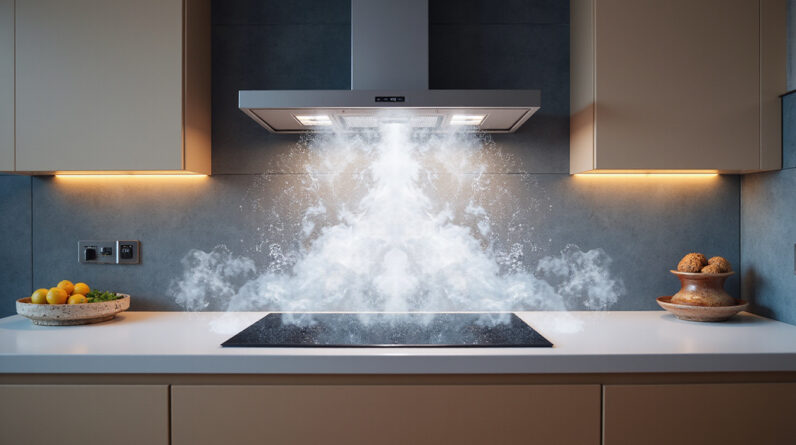
- If you plan to add a cooktop, include ventilation and safe setback from edge seating.
- For bar seating, provide 12–15 inches of knee space per person.
Style upgrades that look expensive (but aren’t)
You don’t need to gut your kitchen to make the island pop. Small changes deliver big impact:
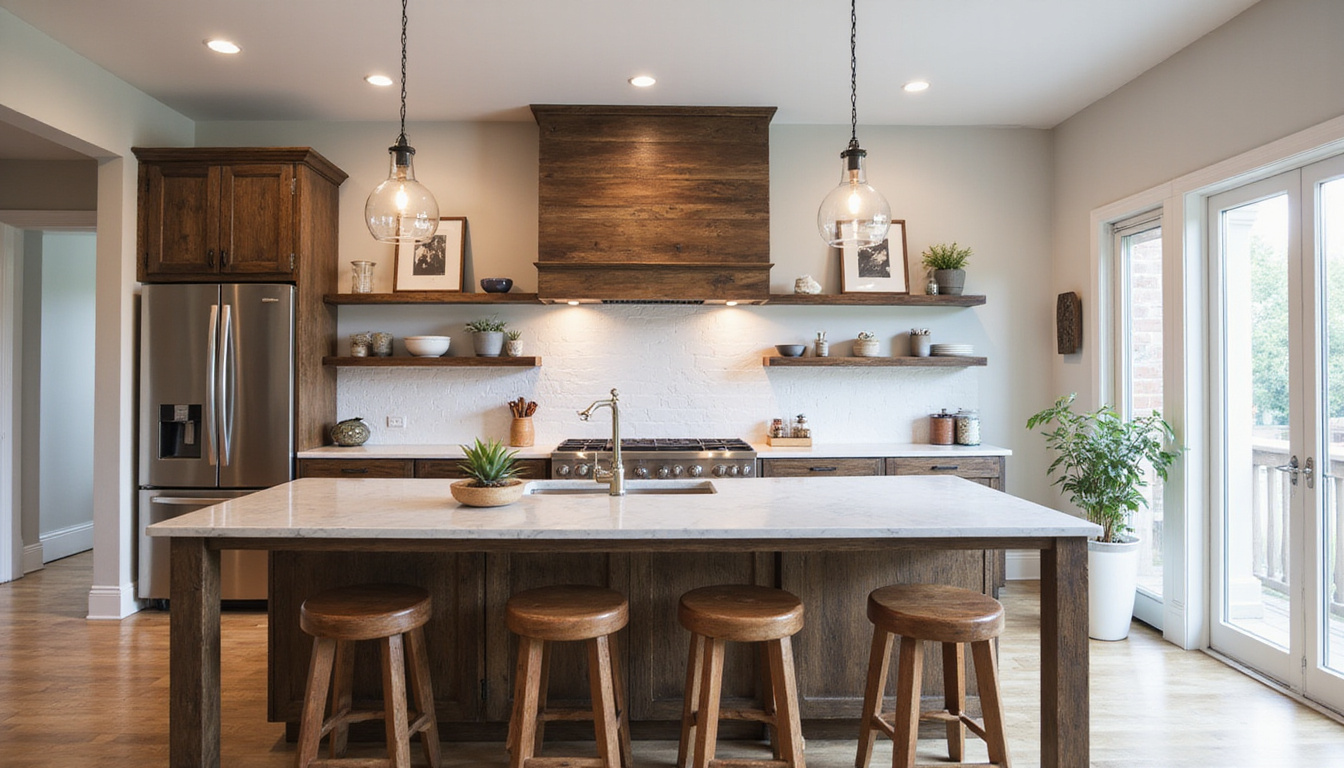
- Reface or paint the island base a contrasting color to make it a focal point.
- Replace hardware with a cohesive metal finish (matte black, brass, or brushed nickel).
- Add open shelving on one side for cookbooks and decorative items.
- Swap a standard countertop for a visually striking material like butcher block, honed quartz, or a marble-look quartz.
These updates are visible, tactile, and photograph well for listings, increasing perceived value even if they’re modest investments.
Smart storage and organization hacks
A great island maximizes storage without overbuilding. Consider:
- Deep drawers for pots and pans instead of base cabinets.
- Vertical dividers for baking sheets and cutting boards.
- Pull-out trash and recycling centers for clean counters.
- Roll-out shelves for easy access to heavy appliances.
Lighting and seating: set the mood and function
Proper lighting makes an island usable and inviting. Combine:
- Task lighting: pendant lights or a focused linear fixture directly above work zones.
- Ambient lighting: recessed downlights or under-cabinet lights to reduce shadows.
- Accent lighting: toe-kick or cabinet interior lights to add drama.
Seating should match the island height: 24–26 inches for counter stools at a 36-inch counter; 29–30 inches for bar stools at a 42-inch counter (if you’re installing a raised bar). Keep at least 24 inches of width per seat for comfort.
Material choices that balance durability and beauty
Countertops: Quartz offers low maintenance and variety; butcher block brings warmth; natural stone adds luxury but needs sealing. Consider mixing surfaces—hardworking quartz for prep areas and a warm wood or stone on seating overhangs.
Cabinetry and trim: Use durable finishes around high-touch areas. Paint is the easiest cosmetic upgrade; thermofused laminate or veneer can mimic custom cabinetry at lower cost.
Flooring and rug placement: An island creates a natural “kitchen stage.” Add a runner or small rug in front of sinks or prep areas to anchor the space and soften the look—choose easy-to-clean materials.
Top kitchen island makeover ideas (quick wins and bigger projects)
- Paint the island a contrasting color to the perimeter cabinets.
- Swap drawer fronts or add shaker-style trim to refresh the design.
- Add a show-stopping pendant cluster above the island for a layered look.
- Replace the countertop with quartz or butcher block.
- Install under-counter lighting or a toe-kick LED strip.
- Add a prep sink or a dedicated beverage drawer.
- Reconfigure storage: deep drawers, appliance garages, and pull-outs.
Budget-friendly quick wins (under $500)
- New hardware
- Fresh coat of paint
- Decorative corbels or paneling
- Replacing light fixtures
- Installing floating shelves on the island’s end
Mid-range investments ($500–$5,000)
- Countertop replacement (bulk vs. custom)
- New lighting plan and switches
- Installing deep drawers or pull-outs
- Adding integrated trash/recycling stations
Higher-end upgrades ($5,000+)
- Adding a prep sink or dishwasher
- Installing a cooktop with ventilation
- Custom cabinetry updates and structural changes for layout
One bulleted checklist to prep for your island makeover
- Measure clearance and seating needs
- Decide primary function (prep, cooking, seating, storage)
- Choose a focal material for the countertop
- Select a complementary color for the island base
- Plan lighting: task + ambient + accent
- Inventory storage needs and plan drawer configurations
- Set budget and timeline; anticipate 1–4 weeks for mid-range projects
Common mistakes to avoid
- Overcrowding: don’t reduce traffic flow for the sake of seating.
- Ignoring ventilation when adding a cooktop.
- Choosing finishes that are hard to maintain for daily cooking life.
- Forgetting to coordinate island height with seating.
Real-life styling tips to stage for sale or everyday living
Keep the island clutter-free. During showings or photoshoots, stage with a bowl of fruit, a small vase, or a cutting board and cookbook. Add an inviting stool arrangement and pendant lights on dimmer switches to set the mood.
Authority and data point
Home improvement and resale data support investing in functional kitchen upgrades—remodeling cost vs. value data is helpful for prioritizing which island upgrades will net the best return (Remodeling’s Cost vs. Value Report) (https://www.remodeling.hw.net/cost-vs-value/).
FAQ — quick answers using kitchen island variations
Q: How can I update my kitchen island on a budget?
A: Focus on paint, new hardware, updated lighting, and a refreshed countertop edge or butcher block overlay—these deliver a high-impact look without a full remodel.
Q: What size should a kitchen island be for seating?
A: For comfortable seating: plan for 24–30 inches of counter depth for each seat and 12–15 inches of knee room. Ensure 42–48 inches of clearance behind seated guests for traffic flow.
Q: Does a new kitchen island add value to my home?
A: Yes—upgrades that improve functionality and aesthetic appeal can increase perceived value and attract buyers. Prioritize durable surfaces, good lighting, and optimized storage for the best return.
Final thoughts and call to action
A thoughtful kitchen island makeover balances form and function—small cosmetic changes can create a dramatic visual statement, while measured functional upgrades improve everyday life and resale appeal. If you’re ready to transform your island, start with a clear plan: define the island’s role, set a realistic budget, and choose durable finishes that match your lifestyle. Need help creating a design plan or finding trusted contractors? Contact a local kitchen specialist or download a remodeling checklist to get started today—your ideal kitchen island and higher home value are closer than you think.