

Aging in Place: Simple Home Changes That Boost Safety and Independence
Aging in place means staying in the home you love—safely, comfortably, and independently—as you grow older. For many people, the idea of leaving a familiar neighborhood or downsizing to a facility feels stressful and unnecessary. The good news: with thoughtful, relatively simple home changes, aging in place becomes not only possible but practical.

This guide walks through room-by-room improvements, low-cost upgrades, and planning tips that help you or a loved one stay independent longer.
What Does Aging in Place Really Mean?
Aging in place is more than just “staying put.” It’s about being able to live where you choose, for as long as possible, with the support, services, and environment that make that choice safe.
For most people, aging in place rests on three pillars:
- Safety – Reducing fall risks and making daily tasks easier.
- Accessibility – Making sure you can move around and use every essential space.
- Support – Having the right tools, technology, and people to help when needed.
You don’t need a complete remodel to make a difference. Many impactful changes cost little and can be done over a weekend.
Start with a Home Safety Walkthrough
Before you buy anything, walk through the home with safety in mind. Look for obstacles, trip hazards, and “pain points” in daily routines.
Ask questions like:
- Are walkways clear and easy to navigate?
- Is there enough lighting at night, especially to the bathroom?
- Are there loose rugs or cords that could cause a fall?
- Are shelves and essentials within easy reach?
If possible, do this walkthrough with:
- A family member or friend
- A physical or occupational therapist
- A certified aging-in-place specialist (CAPS), often found through remodeling companies
This initial assessment helps you prioritize simple, high-impact changes first.
Essential Changes for Every Room
Some upgrades make a difference throughout the entire home. These basics create a safer foundation for aging in place.
Improve Lighting Everywhere
Good lighting is one of the easiest and most effective safety upgrades.
- Use bright, non-glare bulbs (warm LED bulbs are often comfortable for older eyes).
- Install night lights in hallways, bathrooms, and bedrooms.
- Add plug-in motion-sensor lights near the bed, stairs, and main routes.
- Ensure light switches are easy to reach at every entry.
Poor lighting is linked to an increased risk of falls in older adults (source: CDC), and a few inexpensive lights can drastically improve visibility.
Remove Trip Hazards
Falls are a leading cause of injury in older adults, and many happen at home.
Simple steps:
- Remove or secure throw rugs with non-slip backing.
- Keep electrical cords away from walkways.
- Declutter high-traffic areas and hallways.
- Repair uneven flooring or secure loose tiles/boards if possible.
If using oxygen, walkers, or canes, make sure paths are wide enough and unobstructed.
Make Doors and Handles Easier to Use
Arthritis or reduced grip strength can turn simple tasks into daily frustrations.
- Replace round doorknobs with lever-style handles that are easier to push down.
- Consider lever-style faucet handles for sinks and showers.
- Ensure doors open fully and smoothly; remove doorstops that jut out.
These changes increase accessibility without changing the look of your home dramatically.
Safer Bathrooms: Small Upgrades, Big Impact
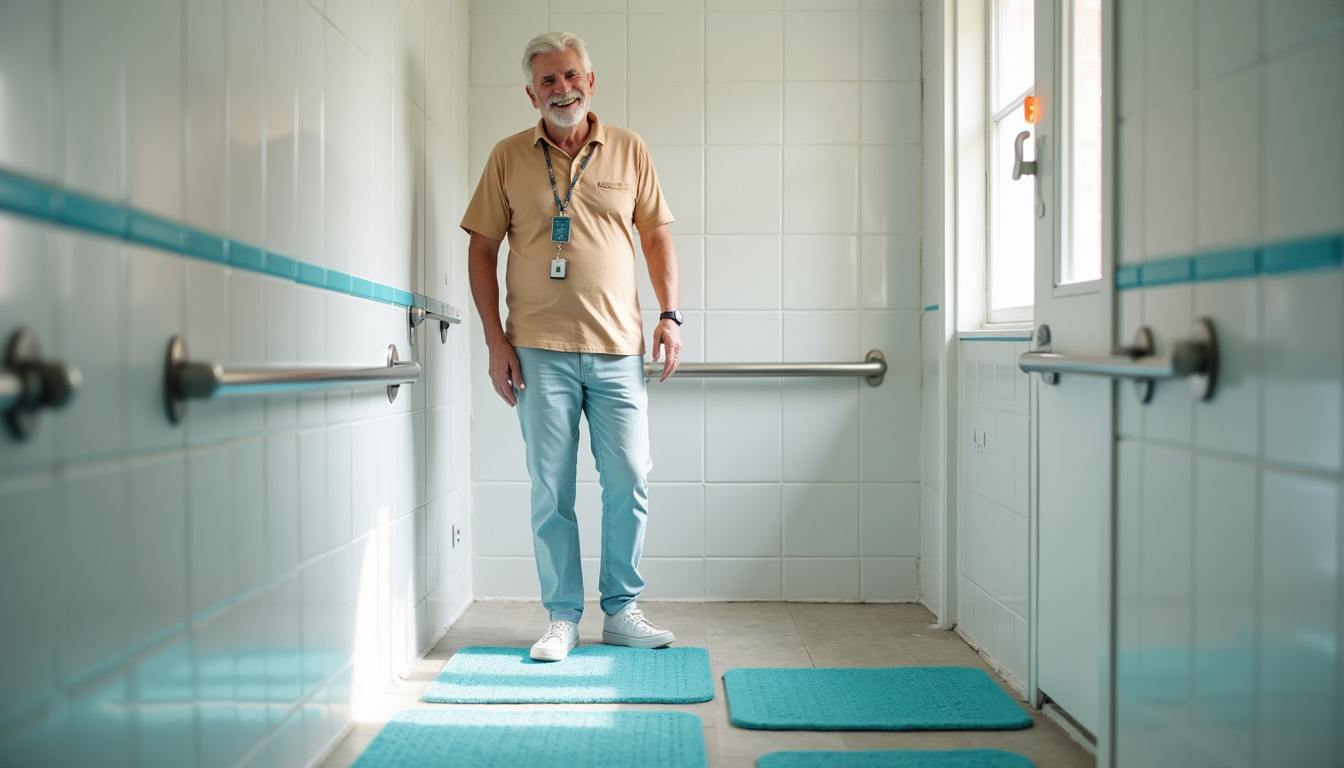
Bathrooms are one of the highest-risk areas for falls—but also one of the easiest to improve for aging in place.
Add Grab Bars Where They’re Needed Most
Properly installed grab bars can prevent slips and provide confidence:
- Next to the toilet
- Inside the tub or shower
- On the wall just outside the tub or shower
Choose textured, non-slip bars, and avoid using towel racks for support; they’re not designed to hold body weight.
Use Non-Slip Surfaces
Wet surfaces are dangerous at any age.
- Place non-slip mats or adhesive strips in the tub or shower.
- Use a water-absorbing, non-skid bath mat outside the tub.
- Quickly replace any bath mat that slides or curls.
Consider a Shower Chair and Handheld Showerhead
These two additions can transform bathing from risky to safe and comfortable:
- A shower chair or bench allows you to sit while washing.
- A handheld showerhead makes rinsing easier without bending or twisting.
If stepping over a tub wall is difficult, look into low-threshold or roll-in showers as a longer-term upgrade.
Kitchen Adjustments for Independence
The kitchen is central to daily life—and a place where bending, reaching, and carrying hot items can pose extra risk.
Keep Essentials Within Easy Reach
Move frequently used items to waist-to-shoulder height:
- Everyday dishes and glasses on middle shelves
- Heavy pots and pans in lower pull-out drawers, not high cabinets
- Common ingredients (oil, spices, staples) in easily accessible areas
Avoid using step stools if balance is a concern.
Improve Safety While Cooking
A few tweaks can make cooking safer:
- Use a stove with front controls to avoid reaching over hot burners.
- Add automatic shut-off devices or use appliances with built-in timers.
- Keep a sturdy, stable chair nearby if standing for long periods is tiring.
- Store a lightweight fire extinguisher in an obvious, reachable place.
Simplify Small Appliances
Choose easy-to-use devices:
- Microwaves with large buttons and clear displays
- Electric kettles instead of heavy stovetop pots
- Toasters and coffee makers with simple controls
Simple appliances reduce frustration and lower the risk of burns or spills.
Bedroom and Living Room Comfort and Safety
These are the spaces where rest and relaxation happen—and where you likely spend the most time.
Make Getting In and Out of Bed Easier
- Choose a bed height where feet are flat on the floor when sitting.
- Use bed rails or assist handles if getting up is difficult.
- Place a sturdy nightstand within easy reach for glasses, phone, water, and medications.
- Add a lamp or touch light you can turn on without getting out of bed.
Arrange Furniture for Clear Pathways
- Widen paths so there is plenty of room to walk or use a mobility device.
- Remove low tables or ottomans in tight spaces.
- Avoid furniture with sharp corners in narrow walkways.
Comfortable, supportive seating with arms can make standing up much easier.
Hallways, Entryways, and Stairs
These areas are often overlooked but critical for safe aging in place.
Entryway Improvements
- Add a sturdy handrail on any steps leading to the door.
- Use non-slip treads on outdoor steps.
- Ensure the door area is well lit, with motion-sensor or dusk-to-dawn lights.
- Place a small bench or chair for sitting while putting on or taking off shoes.
If steps are a major barrier, consider a ramp or threshold ramp for wheelchairs and walkers.
Stair Safety
If the home has stairs:
- Install handrails on both sides if possible.
- Apply high-contrast, non-slip strips on edges of each step.
- Keep stairs clutter-free at all times.
- Ensure bright lighting at the top and bottom, with easy access to switches.
For some, a stair lift or relocating the bedroom to the main floor may eventually be necessary.
Simple Technology That Supports Aging in Place
Modern technology can quietly enhance safety, connection, and independence.
Helpful Home Tech Options
- Medical alert systems with wearable buttons for emergencies.
- Smart speakers (e.g., voice assistants) for calling family, setting reminders, or controlling lights.
- Video doorbells to see who’s at the door without rushing or opening it.
- Smart plugs and lights you can control remotely or with your voice.
- Medication reminder apps or automatic pill dispensers.
Technology should simplify life, not complicate it—start with one or two tools that address clear needs.
Create a Support Network Around the Home
Aging in place works best when it’s not done alone. Your “home safety plan” should include people who can help when needed.
Consider:
- Family or friends who can check in regularly.
- Neighbors who know how to reach you—and who you can call in a pinch.
- Home health or personal care aides for help with bathing, dressing, or housekeeping.
- Transportation services for appointments and shopping if driving becomes difficult.
- Community programs such as senior centers, meal delivery, or volunteer visitors.
Knowing help is available can make living at home feel less risky and more secure.
Prioritize Changes: Where to Start
You don’t have to do everything at once. Focus first on changes that reduce immediate risk and support everyday tasks.
A simple way to prioritize:
-
Fall prevention
- Lighting, grab bars, non-slip surfaces, removing clutter and rugs.
-
Bathroom and bedroom safety
- Since most nighttime activity goes between these rooms.
-
Kitchen accessibility
- So meal preparation and hydration stay manageable.
-
Entry and exit safety
- For emergencies and daily errands.
-
Technology and support network
- To add an extra layer of security and peace of mind.
Quick Checklist: Simple Home Changes for Aging in Place
Use this checklist as a starting point:
- [ ] Add night lights in halls, bathrooms, and bedrooms
- [ ] Secure or remove throw rugs
- [ ] Install grab bars near the toilet and in the tub/shower
- [ ] Place non-slip mats in and outside the shower or tub
- [ ] Move frequently used kitchen items to easy-reach shelves
- [ ] Replace round doorknobs with lever handles where possible
- [ ] Clear clutter from floors and hallways
- [ ] Improve outdoor and entryway lighting
- [ ] Add handrails to stairs and outdoor steps
- [ ] Set up at least one emergency contact method (phone, alert system, or smart device)
Even checking off a few items can significantly improve safety and comfort.
FAQ About Aging in Place and Home Safety
Q1: What is the best age to start planning for aging in place at home?
Ideally, planning for aging in place begins in your 50s or 60s, while you’re still active and healthy. However, it’s never too late to make safety-focused changes. Starting early allows you to spread out costs, make gradual adjustments, and choose modifications that match your long-term goals.
Q2: How much does it cost to make a house safe for aging at home?
Costs vary widely. Many aging-in-place solutions are low-cost, such as grab bars, lighting, non-slip mats, and lever handles—often a few hundred dollars total. Larger projects like walk-in showers, ramps, or stair lifts can range from thousands to tens of thousands. A home safety assessment can help you decide which upgrades offer the greatest benefit for your budget.
Q3: Can I age in place if I use a walker or wheelchair?
Yes, many people successfully age in place with mobility devices. It often requires extra planning—widened doorways, ramp access, barrier-free showers, and open floor layouts—but even smaller changes like rearranging furniture, using portable ramps, and adjusting countertop and closet heights can make a big difference. Consulting an occupational therapist can help tailor the home to your specific needs.
Take the First Step Toward Safer, More Confident Aging in Place
Staying in the home you love doesn’t have to be risky or overwhelming. By focusing on simple, high-impact changes—better lighting, fewer trip hazards, safer bathrooms, and a supportive network—you create an environment that protects your health, preserves your independence, and respects your preferences.
Pick one room or one small project from this guide and start there. As you gradually build a safer, more accessible home, you’re also building the foundation for aging in place with dignity, comfort, and peace of mind.
If you’d like tailored ideas for your specific home layout or health needs, share a description or photos of your space and I can help you map out the next steps.