

Cabinet Refacing Secrets to Transform Your Kitchen Without a Costly Remodel
If your kitchen looks tired but a full renovation isn’t in the budget, cabinet refacing might be the shortcut you’ve been hoping for. Instead of tearing everything out and starting from scratch, refacing lets you change the entire look and feel of your kitchen while keeping your existing cabinet boxes. Done right, it can deliver a “new kitchen” effect for a fraction of the cost, time, and mess of a traditional remodel.

Below are the key cabinet refacing secrets, tips, and considerations to help you decide if it’s right for your home—and how to get the best results.
What Is Cabinet Refacing, Really?
Cabinet refacing is the process of giving your existing cabinets a new exterior skin while leaving the internal structure in place. In most projects, this includes:
- Replacing doors and drawer fronts
- Applying new veneer or laminate to face frames and exposed cabinet ends
- Updating hardware like hinges, pulls, and knobs
Your cabinet boxes stay where they are. Plumbing, electrical, and countertops typically remain untouched, which is why cabinet refacing tends to be far less disruptive and costly than a full gut remodel.
Refacing vs. Painting vs. Replacing
It’s easy to confuse different upgrade options, so here’s how they compare:
- Refacing: New doors + new exterior surfaces + hardware updates. Best for a major visual transformation without layout changes.
- Painting: Same doors and structure, just fresh paint. Ideal if you like the style but hate the color.
- Replacing: All-new cabinets and often a new layout. The most flexible—and the most expensive—approach.
If your cabinet boxes are sturdy and you’re happy with the current layout, cabinet refacing strikes a smart balance between aesthetics, cost, and disruption.
The Hidden Advantages of Cabinet Refacing
Beyond the obvious visual upgrade, cabinet refacing offers several benefits that often surprise homeowners.
1. Big Design Impact, Smaller Price Tag
Refacing often costs 35–60% less than full cabinet replacement, depending on materials and complexity. You’re saving on:
- Demolition and removal
- New cabinet boxes
- Extensive labor
- Possible electrical and plumbing changes
For many homes, refacing unlocks room in the budget for other upgrades, such as new countertops, backsplash, or lighting, multiplying the perceived “wow factor.”
2. Faster Timeline, Less Disruption
A full kitchen remodel can drag on for weeks or months. By contrast, a typical professional cabinet refacing project takes 3–5 days once materials arrive.
Since you’re not tearing out cabinets, your kitchen often remains semi-functional, and there’s far less dust, debris, and noise.
3. Eco-Friendlier Than Replacement
Cabinet refacing is inherently more sustainable because it reuses what you already have. You’re not sending large, bulky cabinet boxes to the landfill or consuming extra material to build new ones.
The National Association of Home Builders notes construction and demolition waste is a significant contributor to landfill volume, so any project that reduces tear-out and disposal has environmental benefits (source: NAHB).
4. Boosted Home Value and Appeal
A refreshed kitchen is a major selling point. While it’s tough to predict exact ROI, kitchens consistently rank as one of the most valuable home improvements. Refacing can help:
- Modernize an outdated look
- Appeal to more buyers
- Justify higher listing photos and asking price
Because you’re spending less than a full remodel, your return on investment can actually be stronger.
When Is Cabinet Refacing a Smart Choice?
Cabinet refacing isn’t right for every kitchen. Use these criteria to decide if it’s a fit.
Your Cabinets Are Structurally Sound
Refacing builds on what’s already there. You’re a good candidate if:
- Boxes are sturdy and square
- There’s no significant water damage, mold, or rot
- Shelves and sides aren’t sagging or crumbling
If structure is compromised, you’ll likely waste money dressing up cabinets that won’t last.
You Like (or Can Live With) the Existing Layout
Cabinet refacing keeps your footprint mostly the same. You’re a good candidate if:
- Appliance locations work for you
- Storage is adequate
- Traffic flow is comfortable
Minor modifications—like adding a few cabinets, a pantry unit, or an island—can sometimes be incorporated, but major layout changes veer into full remodel territory.
You Want a Style Upgrade, Not a Construction Zone
Refacing is perfect if your main frustration is aesthetic:
- Dated oak doors or heavy raised panels
- Orange, yellow, or dark finishes from past decades
- Mismatched styles throughout the room
If the bones are fine but the look is stuck in another era, cabinet refacing can help you leap forward visually without enduring months of renovation chaos.
The Cabinet Refacing Process, Step by Step
Understanding the process will help you make better decisions and set realistic expectations.
1. Consultation and Assessment
A professional will:
- Inspect cabinet boxes for structural health
- Measure all doors, drawers, and exposed surfaces
- Discuss your style, color, and material preferences
- Provide a detailed estimate
This is when you’ll decide between wood, veneer, or laminate and clarify any extras, like soft-close hardware or crown molding.
2. Style and Material Selection
You’ll choose:
- Door style: Shaker, slab, raised panel, recessed panel, etc.
- Material: Solid wood, wood veneer, rigid thermofoil (RTF), high-pressure laminate, or painted MDF.
- Finish: Stain, paint, matte, satin, or high-gloss.
- Hardware: Knobs, pulls, hinges, and finishes (black, brass, chrome, etc.).
This is the fun part—and where the final look is really defined.
3. Prep and Removal
On installation day, the crew will:
- Remove old doors and drawer fronts
- Take off existing hardware
- Label or organize components to avoid confusion
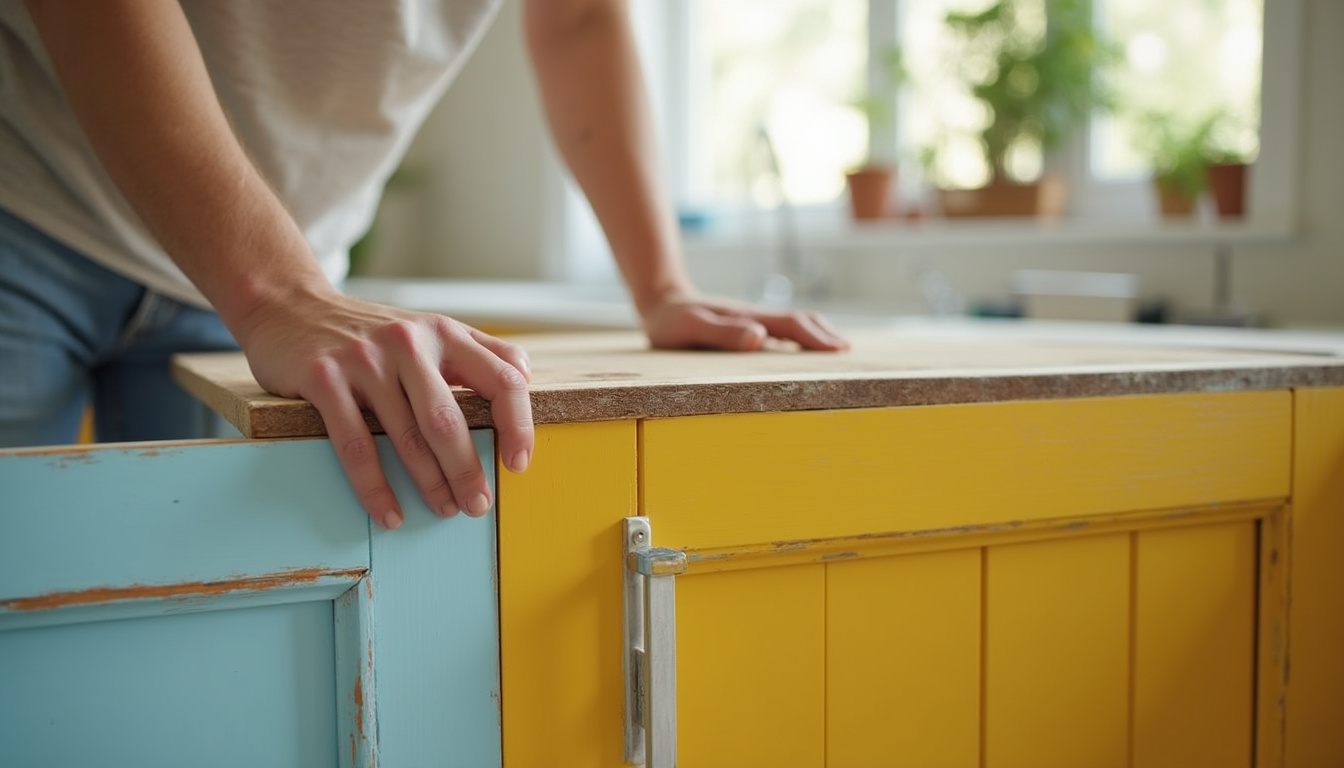
Cabinet boxes are then thoroughly cleaned and lightly sanded to create a good surface for new veneers or laminates to adhere.
4. Applying Veneer or Laminate
This is the heart of cabinet refacing:
- A high-quality adhesive is applied to face frames and exposed ends.
- Matching wood veneer or laminate sheets are carefully positioned and trimmed.
- Edges are smoothed, and seams are refined for a seamless, custom look.
Done well, it’s difficult to tell that the cabinet boxes are original.
5. Installing New Doors, Drawers, and Hardware
Finally, new doors and drawer fronts go on:
- Hinges are aligned and adjusted to ensure smooth closing.
- New pulls and knobs are installed.
- Any added trim or molding is fitted and finished.
The crew will then touch up, clean, and perform a final walkthrough to check for gaps, misalignments, or defects.
Design Secrets for a High-End Refacing Result
Even a simple cabinet refacing project can look custom if you apply a few design tricks.
Choose Timeless Over Trend-Of-The-Moment
Highly trendy colors or door styles can date quickly. To protect your investment, consider:
- White, off-white, greige, or warm gray for broad appeal
- Simple Shaker or flat-panel doors that work with many styles
- Natural wood tones that complement your flooring
You can layer personality through lighting, hardware, and decor, which are easier to update later.
Upgrade Hardware for Instant Luxury
Swapping old knobs and pulls for modern hardware makes a bigger difference than most people expect. Popular choices include:
- Matte black or brushed brass for contrast
- Longer bar pulls for a more contemporary, upscale vibe
- Soft-close hinges and drawer slides for a quiet, luxe feel
Hardware is the “jewelry” of your cabinets—don’t skimp here.
Consider Mixed Finishes or Two-Tone Looks
For a more custom feel:
- Paint upper cabinets lighter and lowers darker.
- Use a wood-tone island with painted perimeter cabinets.
- Add glass-front doors to a few upper cabinets for visual interest.
Two-tone designs can break up a wall of cabinets and make the room feel more dynamic.
Cost Factors: What Really Drives the Price
The total cost of cabinet refacing depends on several key elements.
Main factors affecting cabinet refacing costs:
- Kitchen size and cabinet count – More doors, drawers, and square footage = more material and labor.
- Material choice – Real wood and designer laminates cost more than basic options.
- Door style complexity – Intricate profiles and custom work add labor cost.
- Hardware quality – Soft-close mechanisms and premium finishes increase the budget.
- Additional upgrades – Crown molding, light rails, trim, and new cabinetry sections will raise the final price.
Get at least two to three quotes from reputable companies, and compare not just price but materials, warranties, and installation timelines.
DIY vs. Professional Cabinet Refacing
Handy homeowners sometimes wonder if they can DIY cabinet refacing to save more money. It’s possible—but not always advisable.
Pros of DIY
- Lower labor costs
- Full control over schedule and materials
- Satisfaction of doing the work yourself
Cons of DIY
- Veneer and laminate application requires precision; mistakes are obvious.
- Misaligned doors and hardware can make even expensive materials look cheap.
- Tools and supplies can add up, shrinking your cost savings.
- You won’t have a professional warranty on workmanship.
If you’re comfortable with cabinet installation and finish work, a DIY approach may be viable. Otherwise, paying experienced professionals often leads to better long-term results and fewer headaches.
Simple Ways to Maximize Your Refacing Investment
Once you’ve committed to cabinet refacing, a few strategic add-ons can stretch the impact of your project.
Consider pairing refacing with:
- New backsplash – Tile or slab backsplash instantly updates the room.
- Updated lighting – Under-cabinet lighting, pendants, or recessed lights modernize at relatively low cost.
- New faucet and sink – High-arc faucets or farmhouse sinks make a huge style statement.
- Countertop upgrade – If your counters are dated or damaged, combine this with refacing for a cohesive transformation.
By batching these projects together, you minimize disruption while achieving a much more dramatic before-and-after.
FAQ: Cabinet Refacing Questions Homeowners Ask
Is cabinet refacing worth it compared to new cabinets?
Cabinet refacing is worth it if your boxes are in good condition and you’re satisfied with your current layout. You can save 35–60% versus full replacement while still achieving a major style upgrade. If you need a completely different layout, new cabinets might be the better option.
How long does kitchen cabinet refacing take from start to finish?
Most kitchen cabinet refacing installations take 3–5 days once materials arrive. The design, measuring, and ordering phase usually adds a few weeks before that. Compared to the weeks or months of a full remodel, the timeline is significantly shorter and less invasive.
Can you change the color and style completely with cabinet refacing?
Yes. With cabinet refacing, you can go from dark, traditional cabinets to bright, modern Shaker doors in a totally different color. Because you’re replacing doors and drawer fronts and applying new veneer, both color and style can change drastically—even though the underlying boxes stay the same.
Transform Your Kitchen the Smart Way
You don’t need to empty your savings or live through months of construction to fall in love with your kitchen again. Cabinet refacing offers a powerful middle ground: the beauty of a “new” kitchen, without the cost, chaos, and waste of a full remodel.
If your cabinet boxes are solid and your layout works, explore refacing quotes, compare materials, and start visualizing your ideal style. With the right design choices and a skilled installer, your refaced cabinets can look fully custom—and turn your existing kitchen into the fresh, functional, stylish space you’ve been imagining.
Now is the perfect time to take the first step: reach out to a trusted local refacing pro or design-build company, request a consultation, and see how far your budget can go when you transform your kitchen instead of tearing it out.