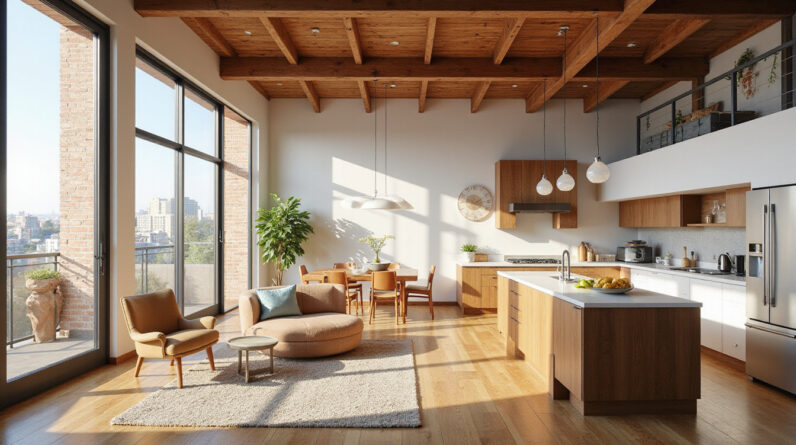


Deconstruction is transforming how homeowners, builders, and designers think about “tearing down” a space. Instead of sending everything to the landfill, deconstruction focuses on carefully dismantling buildings and interiors so materials can be reused, resold, or upcycled into stylish new projects. Done right, it can cut waste, unlock hidden profit, and give your space a distinctive, story-rich look.

This blueprint walks you through how deconstruction works, what it really costs, where the profit comes from, and how to turn old materials into modern style.
What Is Deconstruction (and How Is It Different from Demolition)?
Traditional demolition is fast and destructive: machines knock structures down, and mixed waste is hauled off in dumpsters. Deconstruction takes the opposite approach.
Deconstruction is the planned, systematic disassembly of a building or interior space, with the goal of salvaging as many materials as possible for reuse or resale.
Key differences:
-
Demolition:
- Speed over selectivity
- Materials mostly become mixed waste
- Higher landfill and hauling fees
- Minimal resale or donation value
-
Deconstruction:
- Labor and planning over brute force
- Materials separated and preserved
- Lower landfill costs; higher reuse value
- Potential tax deductions and resale income
Deconstruction can apply to a whole house, a commercial building, or a single kitchen or bathroom. The core idea: treat your building like a materials bank, not garbage.
Why Deconstruction Is Gaining Momentum
Deconstruction is growing rapidly because it sits at the intersection of three powerful trends: sustainability, cost optimization, and design.
1. Environmental Benefits
- Waste reduction: Construction and demolition waste make up a massive portion of landfill volume (the U.S. EPA estimates hundreds of millions of tons annually) (source). Deconstruction can divert 60–80% of that from the dump.
- Lower embodied carbon: Reusing existing lumber, brick, and metal avoids the emissions required to manufacture and transport new materials.
- Circular economy: Instead of “take, make, toss,” deconstruction supports a loop where materials stay in play longer.
2. Financial Benefits
While deconstruction can cost more upfront in labor than mechanical demolition, money comes back in several ways:
- Material resale: Old-growth lumber, doors, bricks, hardwood flooring, and vintage fixtures can be sold to salvage yards, contractors, or DIYers.
- Donation tax deductions: Donating usable materials to qualified nonprofits can unlock sizable tax benefits (speak with a tax professional for your situation).
- Reduced disposal fees: Less mixed waste means fewer dumpsters, lower tipping fees, and fewer trucks.
3. Design and Aesthetic Benefits
Deconstruction is also a style engine:
- Reclaimed beams, bricks, and flooring add warmth, patina, and authenticity.
- Salvaged windows, doors, and hardware create a bespoke look that mass-produced products can’t match.
- Using reclaimed materials tells a story: the new build or remodel carries the history of the old structure into the future.
The Deconstruction Blueprint: Step-by-Step
To turn demolition waste into profit and style, you need a plan. Here’s how a typical deconstruction process works.
Step 1: Assessment and Inventory
Before anyone swings a hammer, a trained professional walks the property and documents what can be salvaged.
They’ll identify:
- Structural lumber (especially old-growth and oversized timbers)
- Flooring (hardwood, stone, unique tiles)
- Doors, windows, and trim
- Cabinetry and built-ins
- Fixtures (lighting, hardware, plumbing)
- Masonry (brick, stone)
- Specialty items (mantels, stair parts, decorative metal)
For homeowners and small projects, even a DIY inventory—backed by a local salvage yard’s opinion—can inform what’s worth saving.
Step 2: Strategy and Permits
Next, you or your contractor creates a deconstruction plan, which may include:
- Which areas will be fully deconstructed vs. selectively deconstructed
- How materials will be labeled, stored, and transported
- Coordination with nonprofits (for donations) or resale partners
- Timeline dependencies (e.g., remove fixtures before utilities are cut)
Check local regulations: some cities now require deconstruction for certain older buildings or offer incentives if you choose it voluntarily.
Step 3: Selective Soft-Strip
Soft-strip is deconstruction of non-structural elements:
- Doors, casings, and trim
- Cabinets and countertops
- Plumbing and light fixtures
- Appliances
- Flooring (if it can be removed intact)
This phase is careful and methodical. Fasteners are removed instead of ripped out; items are taken down intact and protected for storage. Even if the structure will later be mechanically demolished, soft-strip can capture a high percentage of the value.
Step 4: Structural Deconstruction
If you’re fully deconstructing a building or major portion:
- Roof layers and decking are removed in sections
- Joists, rafters, and beams are detached rather than cut and crushed
- Exterior and interior walls are taken apart—studs, sheathing, and sometimes even siding can be salvaged
- Masonry may be cleaned and stacked for reuse
This work usually takes longer than pure demolition but preserves materials with significant market and design value.
Step 5: Sorting, Grading, and Documentation
Once materials are removed:
- Sorting: Wood, metal, brick, fixtures, and mixed debris are separated.
- Grading: Materials are evaluated for condition, quality, and potential use.
- Documentation: For donations, itemized lists and fair-market valuations are recorded as needed.
Good documentation not only supports tax deductions but also helps designers and builders understand what they have to work with in upcoming projects.

What Materials Have the Highest Deconstruction Value?
Not all materials are equal. Some are often pure waste, while others are deconstruction gold.
High-value candidates:
- Old-growth lumber and large timbers
- Straight, dense, long spans
- Excellent for structural reuse or decorative elements
- Solid wood doors and casing
- Particularly if they’re paneled, oversized, or uniquely styled
- Hardwood flooring
- Oak, maple, walnut, and other species can be refinished and reinstalled
- Bricks and stone
- Reused for feature walls, fireplaces, landscaping
- Architectural details
- Mantels, corbels, stair parts, newel posts, railings
- Vintage or high-end fixtures
- Designer lighting, brass hardware, old sinks with character
Lower-value or harder-to-reuse items:
- Water-damaged, moldy, or heavily contaminated materials
- Cheap composite flooring and hollow-core doors
- Products that rely on intact systems (e.g., low-grade built-ins glued and stapled)
A knowledgeable deconstruction contractor or salvage yard can tell you quickly what’s worth the extra care.
Turning Salvaged Materials into Style
The design payoff is where deconstruction really shines. Here’s how to convert those stacks of reclaimed material into a cohesive aesthetic.
1. Start with a Style Direction
You don’t have to go all “rustic barn.” Reclaimed materials work across styles:
- Modern industrial: Exposed beams, steel, reclaimed brick walls
- Warm minimalism: Lightly finished reclaimed oak floors and simple, clean-lined furniture
- Transitional: Mix of new cabinetry with salvaged doors and statement lighting
- Eclectic vintage: Mismatched doors, hardware, and reclaimed tile used as accents
Define your style so you can select and use salvaged pieces intentionally, not randomly.
2. Use Reclaimed Materials as Focal Points
Instead of trying to build everything from salvaged material, choose a few impact areas:
- Feature wall with reclaimed brick or boards
- Kitchen island clad in reclaimed wood
- Exposed old beams in living spaces
- Staircase with salvaged treads and railing
- Bathroom vanity made from reclaimed cabinets or furniture
These focal points amplify character while keeping the overall construction practical.
3. Blend Old and New Thoughtfully
Deconstruction materials pair well with new products when you:
- Maintain a coherent color palette across old and new
- Balance rough textures (reclaimed wood, brick) with refined surfaces (smooth plaster, stone, glass)
- Use consistent trim or hardware finishes to visually unite the space
The goal is “collected over time,” not “salvage yard exploded in my living room.”
4. Respect Structural and Code Requirements
Not every salvaged element can be used structurally without proper engineering and approvals. Common best practices:
- Use reclaimed beams decoratively (non-structural) unless an engineer signs off
- Verify safety and code compliance for reused windows, doors, and stair parts
- Have reclaimed electrical fixtures rewired and inspected by a professional
Work with a contractor who has experience integrating deconstruction materials safely.
Financial Blueprint: How Deconstruction Creates Profit
Let’s break down how the numbers can work in your favor.
Where the Costs Come From
- Additional labor for careful disassembly
- On-site sorting and storage
- Coordination with salvage buyers or nonprofits
- Appraisal or valuation services (for large donation projects)
Where the Profit or Savings Come From
-
Material resale – direct revenue from:
- Lumber, flooring, brick
- High-end fixtures
- Doors, windows, cabinetry in good condition
-
Donations and tax deductions – potential benefits from:
- Donating to building material reuse centers
- Charitable organizations that specialize in construction materials
-
Avoided costs – savings on:
- Dumpster rentals and hauling
- Landfill/tipping fees
- Some new material purchases (if you reuse onsite)
For a modest residential project, you might not walk away with a big cash profit, but you can greatly reduce net costs. For larger or high-end projects, smart deconstruction planning can return tens of thousands in combined revenue and avoided costs.
Always consult a tax professional and get qualified appraisals where required to ensure you can actually realize the projected benefits.
Getting Started: Practical Steps for Your Next Project
If you’re planning a renovation or teardown, here’s a simple roadmap:
- Decide your priority: maximum salvage, maximum speed, or a balance.
- Contact local deconstruction contractors and salvage yards early.
- Schedule a pre-project walkthrough for a salvage assessment.
- Clarify ownership and value of salvaged materials in your contracts.
- Plan design around key salvaged pieces you want to feature.
- Coordinate timing so deconstruction, donations, and resale fit into your construction schedule.
Even if full deconstruction isn’t feasible, partial or selective deconstruction—especially soft-stripping—can capture much of the value.
FAQ: Common Questions About Deconstruction and Reuse
Q1: Is deconstruction more expensive than demolition?
Often the upfront contractor cost for deconstruction is higher because it’s more labor-intensive. However, when you factor in material resale, donation tax benefits, and lower disposal fees, the net cost can be similar or even lower than standard demolition, especially on larger or older buildings with valuable materials.
Q2: Can I do deconstruction myself on a small renovation?
Yes, for smaller interior projects you can practice DIY deconstruction: carefully remove cabinets, doors, trim, fixtures, and flooring instead of smashing them. Just prioritize safety (shut off utilities, use proper PPE) and connect with a local salvage yard or reuse nonprofit beforehand so you know what they’ll accept.
Q3: Where can I sell or donate materials from building deconstruction?
Look for architectural salvage stores, habitat-style building material reuse centers, and local contractors interested in reclaimed materials. Many cities have nonprofits that accept materials from house deconstruction, offer pickup services, and provide documentation for potential tax deductions.
Turn Your Tear-Down into a Treasure Trove
You don’t have to choose between a clean slate and a conscience—or between speed and style. With a thoughtful deconstruction plan, your “demolition” can:
- Keep tons of material out of the landfill
- Unlock value hidden in your existing structure
- Supply unique, character-rich elements for your next design
If you’re planning a renovation, addition, or teardown, now is the time to rethink how you’ll remove what’s there. Talk to a deconstruction-savvy contractor or salvage partner before you schedule demolition. With the right blueprint, you can turn waste into profit, and rubble into remarkable style.