

Getting professional-looking walls doesn’t have to be complicated or expensive. With the right approach, drywall installation is absolutely a DIY-friendly project. Whether you’re finishing a basement, remodeling a room, or repairing damaged walls, following a proven process can help you avoid cracks, waves, and endless sanding.

Below you’ll find nine pro tips that simplify drywall installation and dramatically improve your final finish.
1. Plan Your Layout Before You Lift a Sheet
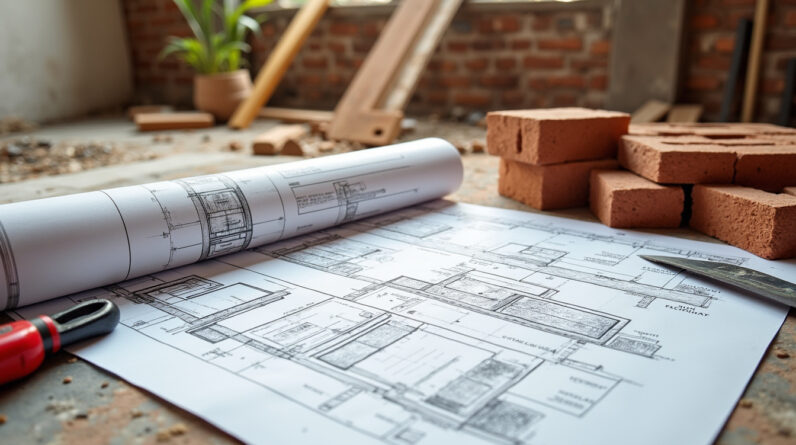
Successful drywall installation starts long before the first screw goes into a stud. Planning your layout reduces waste, speeds up the job, and minimizes visible seams.
Key planning steps:
- Measure each wall and ceiling carefully. Note stud spacing and ceiling height.
- Decide on sheet size. 4’ x 8’ sheets are easiest to handle. 4’ x 12’ or longer reduce seams but are heavier.
- Run sheets horizontally on walls when possible. This typically leaves just one seam at eye level, which is easier to tape and finish.
- Stagger vertical joints. Avoid stacking seams directly on top of each other; this weakens the wall and makes cracks more likely.
- Plan around windows, doors, and corners. Try not to end a sheet exactly at a corner of a door or window opening—extend past and cut out the opening.
A few minutes with a tape measure, a sketch, and some basic math can eliminate hours of frustration later.
2. Choose the Right Drywall Type and Thickness
Not all drywall is the same. Matching the board to the room’s needs is one of the most overlooked parts of drywall installation.
Common drywall options:
- 1/2" standard drywall – Most common for interior walls and ceilings in living spaces.
- 5/8" Type X (fire-rated) – Ideal for garages, furnace rooms, and walls adjacent to an attached garage; also helps with sound control.
- Moisture-resistant (green board or similar) – For bathrooms, laundry rooms, and damp areas that won’t get direct shower spray.
- Cement board or specialized backer board – For shower/tub surrounds or areas exposed to direct water.
- Sound-reducing drywall – For home theaters, bedrooms, or offices where noise control matters.
Also check local building codes for minimum requirements in garages, multi-family units, or firewalls (source: U.S. Gypsum Association).
3. Prep the Framing: Flat, Clean, and Ready
Even the best drywall and taping can’t hide severely uneven framing. Before you start hanging, inspect the skeleton of your wall.
Focus on:
- Stud alignment: Use a long straightedge or a string line across studs.
- Plane or sand down studs that stick out.
- Shim low studs with drywall shims or cardboard shims.
- Secure framing: Tighten any wobbly studs or plates with additional screws or nails.
- Obstructions: Ensure plumbing, electrical boxes, and HVAC components are properly installed and won’t interfere with sheet placement.
- Mark studs and blocking: Use a pencil or chalk to mark stud locations on floors and ceilings. These marks are invaluable later when you’re driving screws.
A flat, rigid frame makes hanging faster and reduces the mudding needed to get a smooth surface.
4. Make Clean, Accurate Cuts Every Time
Neat cuts are a major part of professional-looking drywall installation. Rough edges create gaps, weak joints, and more filling work.
Use these cutting techniques:
- Scoring and snapping:
- Measure and mark your cut.
- Use a T-square or drywall square for a straight line.
- Score the front paper with a sharp utility knife.
- Snap the board along the score by bending it.
- Cut the back paper from the opposite side.
- Cutting around outlets and boxes:
- Measure from edges of the board to the box, then transfer those marks.
- Double-check before cutting.
- Use a drywall saw, keyhole saw, or rotary tool.
- Avoid overcutting corners. Stop just at your line; overcuts can crack or weaken the paper and are harder to finish.
- Clean up edges. Lightly rasp or sand rough edges for snug fits.
Drywall is surprisingly forgiving, but aim for uniform gaps of about 1/8"–1/4" at most joints and edges.
5. Hang Drywall the Pro Way: Fasteners, Gaps, and Seams
How you attach the sheets matters as much as how straight they are. Correct fastening keeps seams tight and prevents nail pops.
Follow these hanging guidelines:
- Ceilings first, then walls. This allows wall sheets to help support ceiling edges.
- Use drywall screws, not nails. Typically:
- 1-1/4" screws for 1/2" board
- 1-5/8" screws for 5/8" board
- Screw spacing:
- 12" on center for ceilings
- 16" on center for walls (or closer if specified by code or manufacturer)
- Set screws slightly below the surface. The head should dimple the paper but not tear through it.
- Maintain slight gaps:
- 1/8" gap between sheets and at corners to allow for expansion.
- Keep sheets off the floor by ~1/2" and cover with baseboard later.
- Avoid four-way joints. Don’t let four corners meet at one point; stagger joints for strength and easier finishing.
Consistent screw depth and spacing are key to a smooth, crack-free finish.
6. Master Joint Taping: Paper vs. Mesh and Where to Use Each
Taping is where many DIYers struggle, but with the right materials and technique, it becomes much less intimidating.
Tape choices:
- Paper tape:
- Strong and ideal for flat seams and inside corners.
- Must be embedded in joint compound.
- Fiberglass mesh tape:
- Self-adhesive; quicker to apply.
- Best used on flat joints, not inside corners.
- Generally needs setting-type compound (hot mud) on top for crack resistance.
Basic taping process:
- Apply a thin bed of joint compound over the seam.
- Press tape into the wet compound, centering it over the joint.
- Smooth out with a knife, removing excess compound and air bubbles.
- Let it dry fully before applying further coats.
For inside corners, fold paper tape along the crease, then embed it with equal compound on both sides for a crisp line.
7. Build Up Smooth Coats of Joint Compound
A flawless surface is built in layers. Rushing this part of drywall installation leads to waves and endless sanding.
A typical three-coat system:
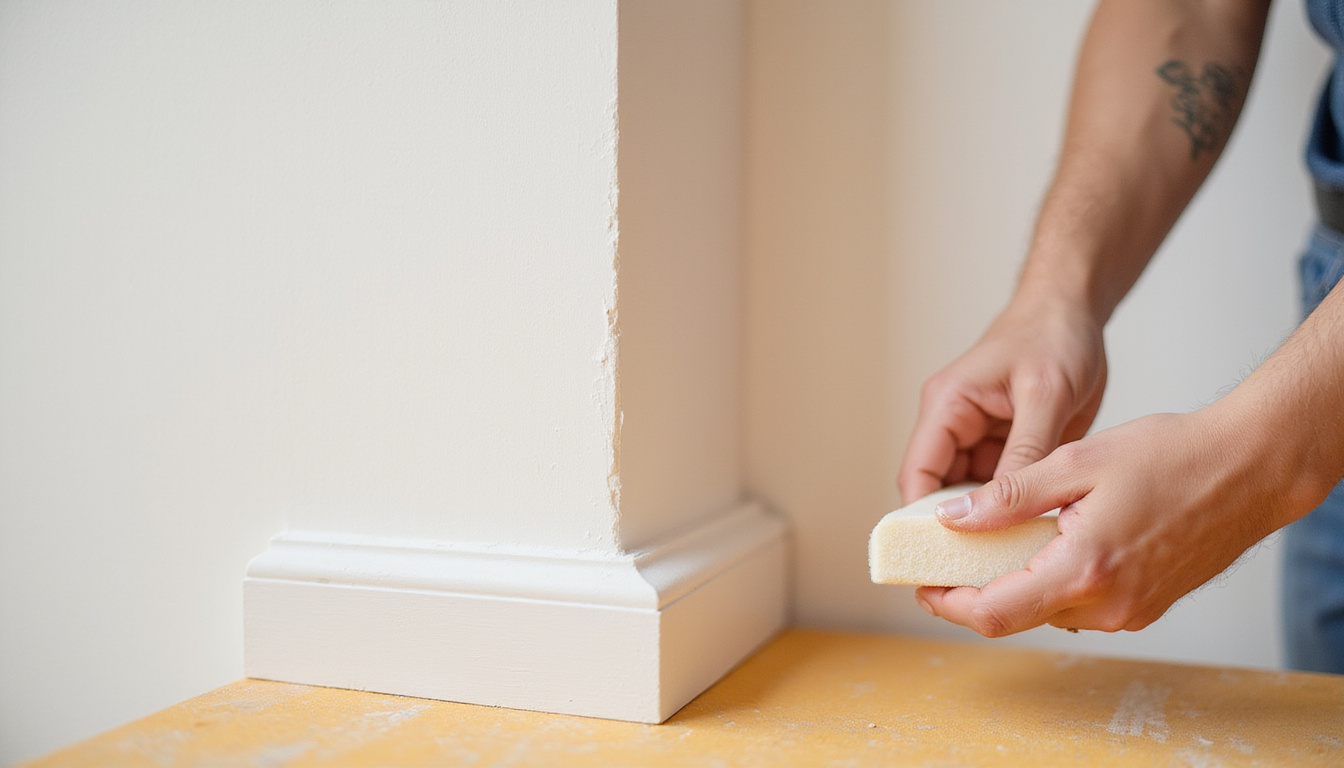
- First coat (tape coat):
- Embeds the tape.
- Fills screw dimples.
- Use a 4"–6" knife.
- Second coat (fill coat):
- Widens and smooths seams to about 8".
- Applies more mud over screws.
- Use an 8"–10" knife.
- Third coat (finish coat):
- Final smoothing and feathering out seams to 10"–12".
- Use a 10"–12" knife or a wide trowel.
Tips for better results:
- Use lightweight all-purpose or topping compound for easier sanding.
- Feather edges. Keep the thickest mud over the seam, thinning as you move outward.
- Avoid overworking. Too many passes can cause ridges and pull the mud.
- Let each coat dry completely—often 12–24 hours depending on humidity—before recoating or sanding.
Remember: the goal is gradual transitions, not thick build-up.
8. Sand Smart: Less Dust, Better Finish
Sanding is where you bring everything together—without covering your house in white dust.
Smart sanding practices:
- Use the right tools:
- Pole sander for broad areas.
- Hand sanding sponge for corners and details.
- Use 120–150 grit paper for general sanding; 180–220 grit for final touchups.
- Work under good lighting. A bright work light or raking light held at an angle reveals imperfections.
- Sand lightly and selectively. Focus on ridges, high spots, and edges, not entire broad areas.
- Dust control:
- Close off vents and doorways where possible.
- Use plastic sheeting to isolate the work area.
- Consider “dust control” joint compounds that clump dust.
- Vacuum with a HEPA filter afterward.
Run your hand over the surface; if you can’t feel ridges or bumps, they won’t show after paint.
9. Prime and Inspect Before Painting
Many people jump straight from sanding to color, but a dedicated primer is an essential final stage of drywall installation.
Why priming matters:
- Seals the surface. Raw paper and dried joint compound absorb paint differently; primer prevents flashing and uneven sheen.
- Reveals imperfections. Primer makes flaws stand out so you can correct them before final paint.
- Improves adhesion and durability. Your topcoat will last longer and look better.
Steps to finish strong:
- Vacuum or wipe down walls and ceilings to remove dust.
- Apply a quality drywall primer or PVA primer.
- Inspect under good light after the primer dries.
- Spot-fill and lightly sand any visible defects.
- Touch up primer on repaired areas before topcoats.
A thorough final inspection at this stage separates professional-looking work from “good enough.”
Quick Checklist: 9 Pro Tips for Flawless Drywall Installation
Use this list to stay on track:
- Plan your sheet layout to reduce seams and waste.
- Choose the correct drywall type and thickness for each room.
- Flatten and secure framing before you hang anything.
- Make clean, accurate cuts around edges, outlets, and openings.
- Follow proper fastening patterns and avoid four-way joints.
- Use the right tape (paper or mesh) in the right places.
- Apply three thin, well-feathered coats of joint compound.
- Sand smart with good lighting and dust control.
- Prime, inspect, and touch up before your final paint.
FAQ About Drywall Installation and Finishing
Q1: How hard is drywall installation for a beginner?
For a patient DIYer, basic drywall installation is very achievable. The hanging part is straightforward with the right tools and a helper. The learning curve is mostly in taping and finishing—start in a less-visible room, watch a few tutorials, and don’t rush drying or sanding between coats.
Q2: What’s the best type of drywall for a bathroom drywall project?
Use moisture-resistant (often green or purple) drywall for general bathroom walls and ceilings that don’t get direct water spray. For shower and tub surrounds, use cement board or a waterproof backer instead of regular drywall to prevent mold and deterioration.
Q3: How long does a typical drywall finishing process take?
Even for a small room, expect at least 3–4 days. Hanging can often be done in a day, but each layer of joint compound needs time to dry—usually overnight—before sanding and recoating. Rushing drying times is one of the biggest causes of cracks and poor finishes.
Turn Your Drywall Project Into a Professional Finish
With a solid plan, the right materials, and these nine pro tips, drywall installation doesn’t have to be intimidating. If you take your time on layout, pay attention to framing, and stay disciplined through the taping, mudding, and sanding stages, you can achieve walls and ceilings that look like they were done by a seasoned pro.
Ready to get started? Gather your tools, pick the right drywall for your space, and tackle one wall or room at a time. If you’d like help planning your specific project—choosing materials, estimating quantities, or building a step-by-step schedule—reach out to a local drywall supplier or contractor for guidance before you begin. The right preparation today will give you smooth, flawless finishes you’ll be proud to show off for years.