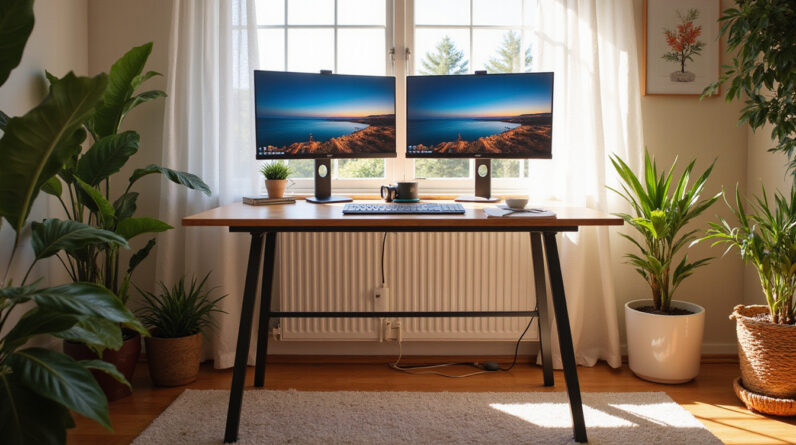


Living in a compact home doesn’t mean you have to sacrifice comfort or style. With smart space planning, you can transform even the smallest studio or micro-apartment into a functional, beautiful retreat that works for your lifestyle. The key is to think strategically about every square foot: how you move through the space, what you truly need, and how storage can double as decor.

Below are practical, design-forward space planning tricks that help you maximize small homes with storage that looks as good as it works.
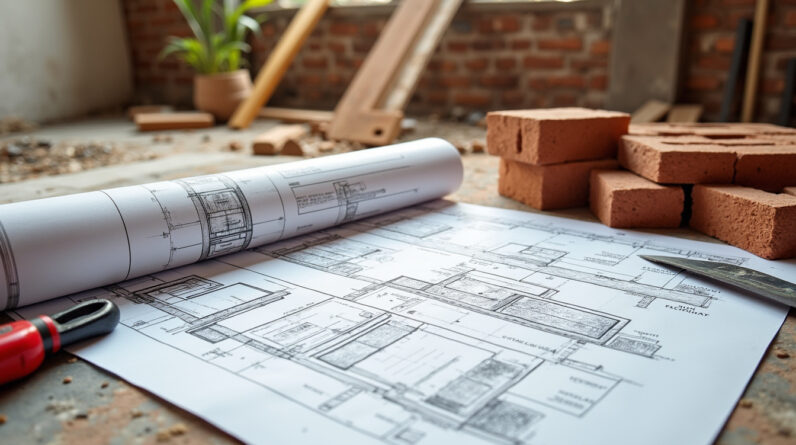
Start with a space planning blueprint, not furniture
Before you buy another shelf or basket, step back and understand your space.
Map how you actually live
Ask yourself:
- Where do you spend the most time (sofa, desk, bed, kitchen)?
- What activities must your home support (working, hosting, hobbies, workouts)?
- Which items are used daily vs. weekly vs. rarely?
Sketch a simple floor plan (paper is fine) and mark:
- Primary circulation paths – the main walkways
- Key activity zones – sleeping, working, relaxing, cooking
- Light sources – windows, doors, major fixtures
Good space planning starts with defining zones, then choosing furniture and storage that serves those zones instead of letting random pieces dictate how you live.
Think vertical: walls are your best storage opportunity
In small homes, floor space is precious. Walls, corners, and even doors can become powerful storage zones.
Use the full height of the room
- Install ceiling-height shelving or cabinets in living rooms and bedrooms.
- Choose wardrobes that reach the ceiling; use labeled bins on the highest shelves.
- Add vertical bookcases that double as room dividers between living and sleeping zones.
Don’t forget “dead” wall areas
Consider these often-wasted spaces:
- Over toilets: slim shelving or a cabinet
- Above doors: a long, narrow shelf for books or decor
- Behind doors: hooks, pegboards, or over-the-door organizers
- Along hallways: shallow shelves (6–8 inches deep) for shoes, keys, or display objects
Vertical storage preserves floor area for circulation and furniture while making the room feel taller and more intentional.
Choose multi-functional furniture that hides storage
The smartest small-space planning often comes down to a single rule: every large piece of furniture should do at least two jobs.
High-impact multi-purpose pieces
Consider investing in:
- Storage ottomans – seating, coffee table, and hidden storage in one
- Beds with drawers or lift-up platforms – ideal for linens, off-season clothing, or gear
- Sofa beds or daybeds – comfortable seating that converts to guest sleeping
- Extendable dining tables – compact day-to-day, bigger when friends come over
- Benches with storage – perfect for entryways, dining nooks, or under windows
Look for furniture with “visual lightness”
Even with built-in storage, you want the room to feel airy:
- Opt for legs instead of boxy bases so you can see under pieces.
- Use glass or acrylic tables to reduce visual clutter.
- Choose slim profiles over chunky furniture whenever possible.
This combination of hidden storage and visually light design prevents your small home from feeling cramped or overstuffed.
Create clear zones without building walls
Good space planning in small homes is largely about psychological boundaries. You might not have doors to every area, but you can still create clear zones.
Define zones with rugs and lighting
- Use different rugs for living, dining, and sleeping areas—even in studio apartments.
- Layer task lighting (desk lamps, reading lights) to reinforce each zone’s function.
- Hang a statement pendant over the dining table to visually “contain” that area.
Use storage as subtle dividers
Let storage be your zone-defining tool:
- A backless bookcase can divide a living area from a sleeping nook while staying open and airy.
- A low dresser or console at the end of a bed can mark off the bedroom area.
- A row of tall plants with hidden storage boxes at their base can separate zones decoratively.
You gain structure and privacy without sacrificing openness or light.
Build a smart entryway, even if you don’t have one
Many small homes open straight into the living space. A well-planned “landing zone” at the door can keep clutter from spreading.
Anchor the entry with storage must-haves
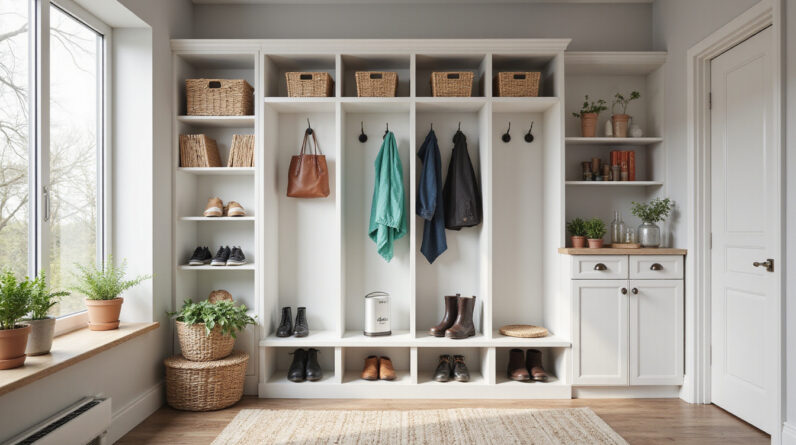
Even a 3-foot section of wall can hold:
- A narrow console table or floating shelf for keys and mail
- A wall-mounted coat rack or a few sturdy hooks
- A shoe rack or lidded bench with storage inside
Define the area with a small rug and a mirror to bounce light and make the space feel bigger. When everything you bring in has an immediate home, your entire small space stays more organized.
Rethink the bedroom: under, over, and around the bed
The bed is often the largest single item in a small home. Smart space planning squeezes function from all sides of it.
Under-bed and bedside solutions
- Use under-bed drawers or low rolling bins with lids and labels.
- Swap a bulky nightstand for:
- A wall-mounted shelf
- A slim side table with a basket beneath
- A floating drawer unit that doesn’t take up floor space
Go vertical around the headboard
- Install shelves or cabinets above the headboard (leave enough head clearance).
- Consider wardrobe cabinets flanking the bed, creating a built-in look with a shelf connecting them over the top.
- Use sconces or wall-mounted lamps to free up bedside surface space.
The goal is to make the bed area a self-contained zone for sleeping, clothing, and personal items with minimal extra furniture.
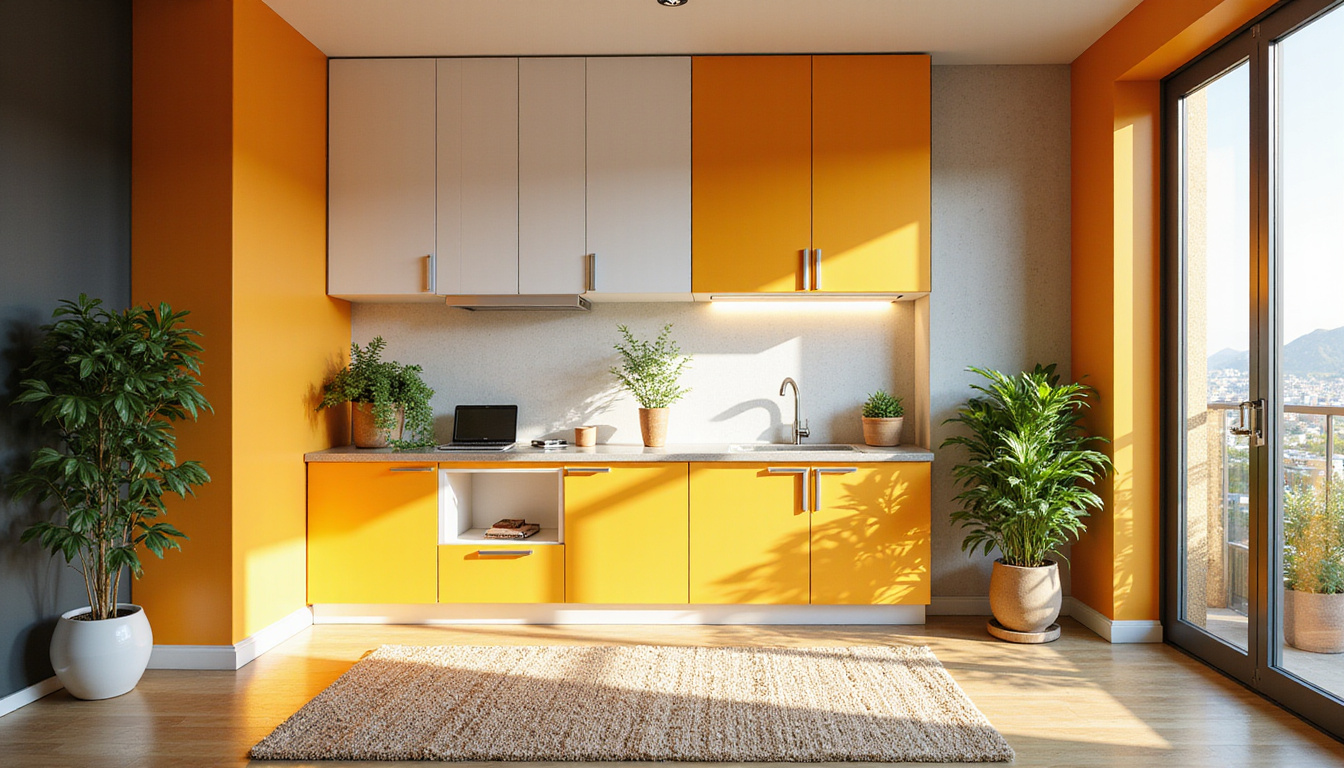
Design a tiny kitchen that works like a big one
Small kitchens demand especially thoughtful space planning because of all the tasks they support: prep, cooking, cleaning, and storage.
Maximize cabinet and counter efficiency
- Add pull-out organizers and stackable shelf inserts inside cabinets.
- Use magnetic strips on the wall for knives and metal spice tins.
- Hang rails with hooks for utensils, mugs, and small pans.
- Use vertical dividers for trays, cutting boards, and baking sheets.
Make counters do double duty
- A large cutting board placed over the sink can add instant prep space.
- A fold-down wall table can serve as extra counter, breakfast bar, or work-from-home desk.
- A rolling cart with shelves can act as a movable island and tuck away when not in use.
Prioritize what you truly cook and use; let that guide which tools earn permanent, easy-access storage.
Turn your living area into a flexible “Swiss Army” room
In small homes, the living room often handles everything: lounging, working, hosting, dining, and sometimes sleeping.
Layer functions with movable pieces
Good space planning here means mobility:
- Stacking or nesting tables for easy rearranging
- Lightweight accent chairs that move between living and dining zones
- Foldable dining chairs hung on hooks or slid behind a sofa
Consider a compact desk or wall-mounted drop-leaf desk that doubles as:
- A nightstand
- A console behind a sofa
- A vanity with a mirror above
The more easily you can reconfigure your living area, the larger and more versatile it feels.
Use color, light, and materials to “expand” space
Smart space planning isn’t just about where things go; it’s also how they look and feel.
Visual strategies that make small homes feel bigger
- Stick to a light, cohesive color palette across main surfaces.
- Use one flooring type across rooms to create flow.
- Hang curtains close to the ceiling to elongate walls.
- Add mirrors opposite windows to bounce natural light.
- Choose closed storage fronts (cabinet doors, boxes) for visually busy items; use open shelves only for curated, tidy displays.
Clutter is a space killer. The more visual calm you create, the more generous your home feels.
Declutter ruthlessly—but strategically
Space planning is as much about what you remove as what you add.
Edit with function in mind
Go category by category:
- Clothes and linens
- Kitchen tools and pantry
- Books, papers, tech
- Hobby and sentimental items
Ask of each item:
- Do I use this monthly or seasonally?
- Is it worth the space it occupies?
- Could a digital version (photos, scans, e-books) replace it?
Keep everyday essentials easy to reach, seasonal or rare-use items high or under things, and sentimental items compact and safely stored.
For evidence that clutter directly impacts stress and perceived space, research published by the University of California links high household clutter with elevated cortisol levels, especially in women (source: UCLA Center on Everyday Lives of Families).
Simple step-by-step space planning checklist
Use this quick sequence to tackle any small home:
- Assess: Measure rooms, note circulation paths, outlets, windows.
- Define zones: Sleep, cook, work, relax, dine, store.
- Prioritize: Decide which zones matter most for your lifestyle.
- Declutter: Remove furniture and items that don’t serve top-priority zones.
- Plan vertical storage: Walls, doors, corners, height of room.
- Select multi-function furniture: Pieces that store, fold, or convert.
- Layer lighting and textiles: Rugs, lamps, curtains to define zones.
- Refine: Live with the layout for a week, adjust congestion points and clutter hotspots.
Repeat this process periodically as your needs change.
FAQ: space planning for small, stylish homes
Q1: What is space planning in interior design for small homes?
Space planning in interior design is the process of analyzing how you use your home, then arranging furniture, circulation paths, and storage to support those activities efficiently. In small homes, space planning emphasizes multi-functional furniture, vertical storage, and clear zoning so every square foot works hard without feeling crowded.
Q2: How do I start space planning a studio apartment?
Begin space planning a studio by mapping key zones—sleeping, lounging, working, and eating—on a simple floor plan. Then, choose a few larger pieces (like a bed, sofa, and table) that each serve multiple zones. Use rugs, shelving, and lighting to define areas instead of walls, and rely on vertical storage to keep surfaces clear and the room visually open.
Q3: What are some low-budget space planning ideas for renters?
For renters, focus on non-permanent space planning solutions: freestanding shelves, over-the-door organizers, pegboards, tension rods in closets, and rolling carts. Use removable hooks, command strips, and furniture with built-in storage. Define zones with rugs and floor lamps rather than construction, and choose folding or nesting pieces that adapt as your needs change.
Smart space planning can completely change how your small home feels—turning cramped corners into cozy nooks and cluttered rooms into calm, organized spaces. You don’t need a bigger home; you need a better plan for the one you already have.
If you’re ready to transform your compact space into a stylish, storage-rich haven, start by walking through each room with a critical eye and this guide in hand. And if you want personalized layout ideas and product suggestions tailored to your exact floor plan, consider booking a virtual design session or sharing your room dimensions and photos with a designer. A few well-planned changes today can make your small home feel larger, more functional, and far more enjoyable for years to come.