

Appliance Installation Secrets Pros Use to Save Time and Money
Getting appliance installation right the first time saves hours of frustration, prevents expensive damage, and keeps your home safer. The pros follow repeatable systems, checklists, and small tricks that most DIYers never learn—but you can. This guide walks you through those professional secrets so you can plan, install, and maintain your appliances with confidence while avoiding the biggest time and money traps.

1. Start Like a Pro: Plan Before You Purchase
The first “installation secret” actually happens before you buy anything.
Measure more than just width
Pros never trust a single measurement or the store’s “standard size” label. They measure:
- Opening width, height, and depth
- Doorways, hallways, and tight turns along the delivery path
- Clearance for doors, drawers, and vents
- Space for water, gas, and electrical connections
Take three measurements in each dimension (top/middle/bottom, left/center/right). Use the smallest number to avoid surprises.
Check power, water, and gas before ordering
Save a second trip to the store by confirming:
- Voltage and amperage of existing circuits (e.g., 120V vs 240V, 15A vs 20A)
- Outlet type and location relative to the appliance
- Water supply line location and shutoff valves
- Gas line size and connection type (if applicable)
Compare these to the appliance spec sheet (often called “installation instructions” or “cutout dimensions” on manufacturer sites). This is exactly what pros look at before they quote a job.
2. The Pro’s Tool Kit: What Actually Speeds Things Up
Professional appliance installation isn’t just skill—it’s also having the right tools ready so nothing slows you down.
Core tools almost every install needs
- Tape measure and torpedo level
- Adjustable wrench and channel-lock pliers
- Screwdriver set (including square/Robertson and Torx bits)
- Cordless drill/driver
- Utility knife
- Stud finder
Time-saving specialty items
These cost a little up front but pay off quickly:
- Appliance dolly with straps – Saves time and injuries moving heavy units
- Water line kit with braided stainless-steel hoses – Faster, safer than plastic tubing
- 90-degree electrical plug or elbow fittings – Prevents crushing cords and hoses
- Anti-tip brackets and seismic straps – Required by code in many areas and quick to install
Having this mini “pro kit” ready avoids multiple store runs, which is where DIY installations often lose hours.
3. Hidden Money-Savers Pros Use on Every Job
You don’t have to cut corners to save money. Pros focus on preventing the expensive problems that come later.
Reuse smart, not blindly
Pros know what to reuse and what to replace:
- Reuse: Metal vent ducts (if smooth-walled and undamaged), existing 240V range cords (if in good condition and code-compliant)
- Replace: Dryer flex duct if it’s plastic or heavily kinked, rubber washer hoses over 5 years old, cracked or corroded gas connectors
A $20 hose or gas connector can prevent thousands in flood or fire damage.
Use shutoff valves—properly
Professionals always:
- Locate and test each shutoff valve. If it doesn’t fully close, they fix that first.
- Label hard-to-find valves (e.g., behind cabinets) for faster future service.
- Avoid using main house shutoffs unless absolutely necessary, to reduce risk and disruption.
That preparation saves time on any future appliance installation or repair work.
4. Pro Secrets for Specific Appliance Installations
Each type of appliance has its own quirks. Here are the key “pro moves” for the most common installs.
Dishwashers: Leak-Free and Level
Dishwashers are notorious for slow, hidden leaks—exactly what professionals design around.
Key pro techniques:
- Use a pan and moisture sensor if the dishwasher sits over wood floors or above finished space.
- Loop the drain hose up under the countertop (a “high loop”) or use an air gap if required by your local code. This prevents waste water from backing up into the appliance.
- Level the unit in all directions, then test the door swing. Adjust until the door doesn’t drift open or closed by itself.
Before pushing the dishwasher fully into place, pros run a short cycle and check all connections with a dry paper towel. If it’s dry after a few minutes, then they finalize the install.
Refrigerators: Airflow, Water Lines, and Noise
A refrigerator can technically “fit” but still perform poorly if it can’t breathe.
Pro guidelines:
- Maintain manufacturer-recommended clearances at the back and sides for air circulation.
- Avoid running water lines under flooring where leaks are hard to detect; keep them visible and accessible.
- Use a dedicated shutoff valve for the ice maker and label it.
For built-in or counter-depth models, pros mock up the footprint with painter’s tape to verify door swing and drawer clearance before they even unbox the unit.
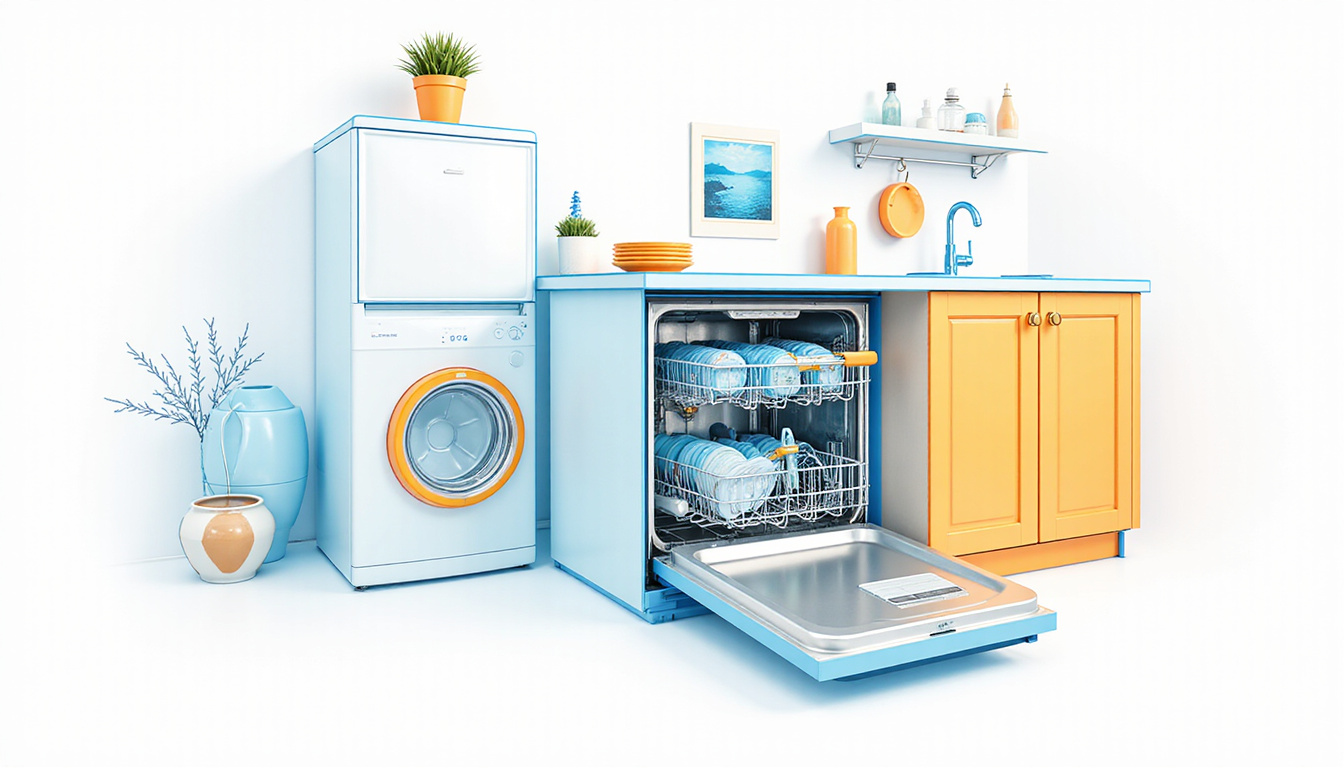
Washing Machines and Dryers: Vibration and Venting
Improper laundry appliance installation can lead to water damage, mold, and even fires.
For washers, pros:
- Level front-to-back and side-to-side, then lock down feet firmly.
- Ensure the standpipe or drain box is the correct height to prevent siphoning or overflow.
- Use braided stainless hoses and install hammer arrestors if you have loud pipe banging.
For dryers:
- Use rigid metal duct for long runs and minimize turns.
- Keep total equivalent length within manufacturer limits (every bend adds “effective” length).
- Clean the existing vent thoroughly before connecting a new dryer—starting fresh improves performance and safety.
The U.S. Fire Administration attributes thousands of home fires each year to dryer issues, often linked to venting problems (source: U.S. Fire Administration).
Ranges and Ovens: Safety First with Gas and Electric
Ranges combine high heat, gas or high-voltage power, and heavy weight—this is where professional habits really matter.
Pros always:
- Install anti-tip brackets on freestanding ranges and verify the unit “catches” when tipped slightly. This is a critical child-safety measure.
- Match cord and outlet type (3-prong vs 4-prong) according to local code and manufacturer instructions. Never modify plugs or outlets to “make it work.”
- Use the correct gas connector length and avoid running it through walls or floors.
After installation, they test all burners and the oven for consistent flame or heat, checking for gas smell at every connection.
5. How Pros Avoid Common Installation Mistakes
A big part of professional appliance installation is simply avoiding predictable errors.
The five most expensive DIY mistakes
- Skipping the level – Leads to noisy washers, poor fridge door sealing, and dishwashers that don’t drain correctly.
- Over-tightening fittings – Can crack plastic valves or crush washers, causing slow leaks that show up weeks later.
- Ignoring manufacturer instructions – Every model has specific requirements that differ, even between similar appliances.
- Forcing appliances into tight spaces – Can pinch electrical cords, kink water lines, or damage cabinetry.
- Not testing under “real” conditions – Pros always run at least one full cycle or cooking test before calling it done.
Building a simple checklist you follow each time is one of the biggest pro secrets for getting consistent, error-free results.
6. Time-Saving Workflow Pros Use on Every Job
Beyond tools and techniques, appliance installation pros follow a repeatable sequence that prevents backtracking.
Here’s a streamlined workflow you can copy:
- Pre-check:
- Verify power, water, gas, and venting.
- Confirm measurements and clearances.
- Prep the area:
- Protect floors with cardboard or moving blankets.
- Clear the delivery path.
- Remove old appliance and cap/secure lines.
- Rough-in connections:
- Install new valves, outlets, or vent pieces as needed.
- Attach hoses, cords, or gas connectors to the appliance while it’s accessible.
- Move appliance into place:
- Use a dolly where possible.
- Keep hoses and cords from getting pinched.
- Final connections:
- Connect water, gas, or electrical to the home side.
- Secure brackets, feet, or mounting hardware.
- Level and test:
- Level appliance in all directions.
- Run a test cycle (wash, rinse, preheat, cool, etc.).
- Check for leaks, noises, or error codes.
- Finish up:
- Reinstall panels and toe kicks.
- Clean the area and remove packaging.
- Show household members any important shutoffs or features.
Sticking to this flow dramatically cuts installation time and reduces do-overs.
7. When to DIY and When to Call a Pro
Not every appliance installation should be DIY. Knowing the line between confidence and risk is itself a professional habit.
Generally safe for handy homeowners
- Replacing like-for-like dishwashers, refrigerators, washers, and dryers where connections already match
- Swapping out an electric range using the same outlet and cord type
- Installing non-vented (condensing) dryers or plug-in over-the-range microwaves with existing brackets
Better left to licensed pros
- Running new gas lines or modifying gas piping
- Upgrading electrical circuits, panels, or outlets
- Cutting new vent terminations through roofs or exterior walls
- Built-in wall ovens and custom panels that require cabinet modifications
Many manufacturers require professional installation for full warranty coverage on gas or built-in appliances. Always check your warranty terms before deciding.
FAQ: Appliance Installation Basics and Beyond
Q1: How much does professional appliance installation usually cost?
Costs vary by appliance and complexity. Simple plug-in installations (like basic refrigerators) may be $50–$150, while more complex gas, built-in, or stacked laundry installations can range from $150–$400 or more, especially if new electrical or plumbing work is needed. Always get a written quote that details what’s included.
Q2: How long should a typical kitchen appliance installation take?
For straightforward kitchen appliance installation—like a standard dishwasher or slide-in electric range—pros usually take 1–2 hours per unit, including removal of the old appliance and cleanup. Add time if new shutoffs, outlets, or venting changes are required.
Q3: What should I prepare before the installer arrives?
Clear the path from entry to the installation location, measure doorways, remove breakable items, and empty old appliances. Verify that existing power, water, and gas connections are accessible. Having model numbers, manuals, and any needed install kits on hand can significantly speed up the visit.
Turn Pro With Your Next Appliance Installation
Appliance installation doesn’t have to be stressful, risky, or expensive. By planning like a professional, using the right tools and materials, and following a proven step-by-step workflow, you can avoid the most common pitfalls and protect your home from leaks, damage, and safety hazards.
If you’re ready to upgrade your kitchen or laundry room, don’t wait until delivery day to figure things out. Start by checking your space, connections, and tools today. And if any part of the job involves gas, electrical upgrades, or structural changes, bring in a qualified pro to handle the high-risk work while you manage the rest.
Treat your next appliance installation as a project you can master—not just a delivery event—and you’ll save time, money, and headaches on every appliance you install from now on.