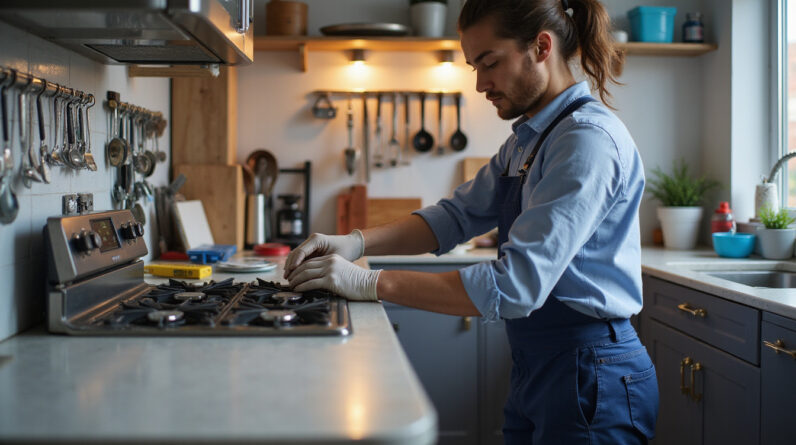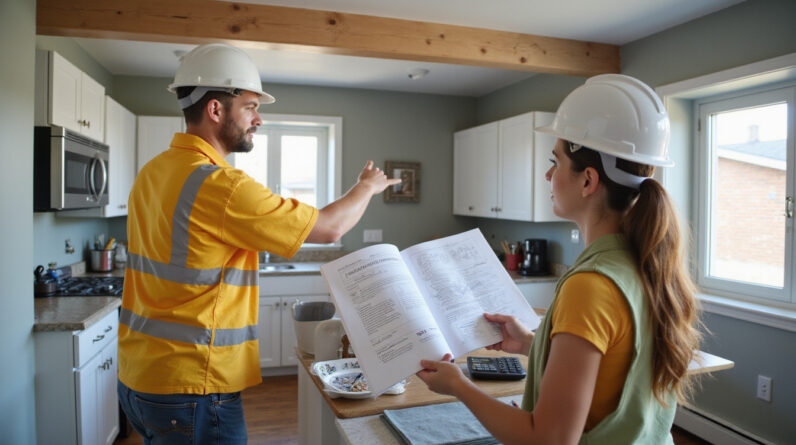


Post construction cleaning is the critical final step that transforms a chaotic job site into a move‑in‑ready space. Done well, it protects finishes, impresses clients, and helps you get paid faster. Done poorly, it leads to punch‑list headaches, unhappy owners, and costly call‑backs. This guide breaks down practical, field-tested strategies to streamline your process, reduce waste, and cut both time and costs—without sacrificing quality.

What Is Post Construction Cleaning—and Why It Matters
Post construction cleaning is the detailed cleaning performed after building or renovation work is complete. It goes far beyond a basic “maid service” clean. You’re dealing with:
- Fine construction dust
- Adhesive residue and caulk smears
- Paint drips and overspray
- Stickers, protective films, and labels
- Concrete and grout haze
- Heavy debris from trades
Why it’s so important:
- Client satisfaction: A spotless finish is often what the client remembers most.
- Protection of finishes: Incorrect cleaning can scratch glass, dull stone, and ruin flooring.
- Speed to turnover: Faster, efficient cleaning helps owners open doors sooner and contractors close out jobs on time.
Understand the Three Phases of Post Construction Cleaning
Breaking post construction cleaning into phases is one of the easiest ways to save time and money. Each phase builds on the last and prevents rework.
1. Rough Clean (After Major Construction)
Performed once major construction and rough inspections are done:
- Remove large debris, scrap materials, and packaging
- Sweep or vacuum floors to remove heavy dust and chunks
- Wipe down rough surfaces (framing, ledges, window tracks)
- Initial cleaning of restrooms and mechanical rooms
Pro tip: Coordinate this with the site superintendent so it happens after the messiest trades (e.g., drywall sanding) are truly finished.
2. Light/Prep Clean (Pre‑Final)
Happens after most fixtures, cabinetry, and finishes are installed:
- Remove stickers, temporary protections, and labels
- Clean inside cabinets, closets, and built‑ins
- Initial cleaning of windows, doors, and frames
- Detail clean kitchens and bathrooms
- Vacuum all floors with HEPA filtration
The goal: make the job site look nearly done while recognizing inspectors and punch‑list work might still add minor dust and smudges.
3. Final Detail Clean (Turnover-Ready)
Completed right before handoff to the client or tenant:
- Final dusting of all surfaces (high to low)
- Spot‑clean walls, switch plates, and doors
- Polish fixtures, glass, stainless steel, and mirrors
- Detail mop or scrub floors according to manufacturer specs
- Final walkthrough touch‑ups
This is your “showroom level” clean—the standard your client will judge you on.
Plan Before You Clean: The Ultimate Time-Saver
The fastest way to overspend on post construction cleaning is to start without a plan. A 20‑minute walkthrough can easily save hours on site.
Conduct a Pre‑Clean Walkthrough
On your walkthrough, note:
- Scope: Which areas are included? Common areas, mechanical rooms, roofs, balconies?
- Condition: Is drywall dust still active? Are trades still working?
- Surfaces: Types of flooring, counters, glass, specialty finishes (stone, wood, high‑gloss).
- Access: Working elevators, water availability, power access, parking distance.
Take photos, especially where there is damage, paint overspray, or unusual dirt. It protects you from being blamed for pre‑existing issues.
Build a Room‑by‑Room Checklist
Standardize your workflow with a checklist you can reuse. A typical room checklist might include:
- High dust (vents, tops of doors, light fixtures, beams)
- Mid‑level surfaces (counters, ledges, railings)
- Vertical surfaces (doors, frames, switches, outlets)
- Low‑level surfaces (baseboards, toe‑kicks)
- Floors (vacuum/mop according to type)
Checklists reduce forgotten tasks and duplicate work—especially on larger crews.
Use the Right Tools and Equipment (and Ditch the Wrong Ones)
The difference between fighting dust all day and finishing efficiently often comes down to equipment.
Essential Tools for Efficient Post Construction Cleaning
- HEPA vacuums: Capture fine construction dust that regular vacuums recirculate. Crucial for health and air quality (and often required in commercial jobs).
- Extendable poles and dusters: Let you reach vents, lights, and high ledges safely.
- Razor scrapers and blades: For glass and hard surface debris removal (use safely and per manufacturer guidance).
- Microfiber cloths and mops: Trap dust instead of pushing it around.
- Floor care equipment: Auto‑scrubbers or floor machines for large commercial spaces.
- Personal protective equipment (PPE): Masks or respirators for dust, safety glasses, gloves, and sometimes hearing protection.
Avoid These Costly Mistakes
- Using dry sweeping instead of HEPA vacuuming—this just redistributes dust.
- Using abrasive pads on glass or soft metals, causing scratches that can cost thousands.
- Applying generic cleaners to stone, stainless steel, or specialty finishes instead of manufacturer‑approved products.
When in doubt, check the product or material’s care instructions or consult an industry resource like ISSA or manufacturer guidelines (source: ISSA – The Worldwide Cleaning Industry Association).
Build a Logical Workflow: Clean Smart, Not Hard
A smart workflow reduces backtracking and rework—two of the biggest time-wasters in post construction cleaning.
Work Top to Bottom, Clean to Dirty
Always start with:
- Ceilings, ductwork, beams, light fixtures
- Then move to walls, windows, and mid‑level surfaces
- Finish with baseboards, floors, and thresholds
In bathrooms and kitchens, clean the least dirty areas first (mirrors, counters) and save toilets, floors, and trash for last.
Move in One Direction
Organize your route so the crew moves steadily through the space:
- Start at the farthest point from your exit
- Work room to room in a consistent pattern (e.g., clockwise)
- Keep doors slightly open or use markers for “cleaned” vs “not cleaned”
This prevents double‑cleaning spaces or skipping rooms in large complexes.
Crew Management: How to Cut Labor Costs Without Cutting Corners
Labor is the biggest cost in post construction cleaning. How you manage your crew directly affects your bottom line.
Assign Roles and Zones
Instead of every cleaner doing a bit of everything:
- Assign specialists:
- Glass crew
- Floor crew
- High‑dust/detail crew
- Define zones: One person or team owns a floor or set of units.
Specialization builds speed and consistency. Zones create accountability.
Train for Construction-Specific Skills
Post construction cleaning is not the same as office or residential cleaning. Train your team on:
- Safely removing paint from glass and frames
- Handling adhesive residues without damaging surfaces
- Recognizing and reporting damage vs. dirt
- Proper use of ladders, lifts, and PPE
Well‑trained cleaners make faster, better decisions on site, which saves money and avoids costly errors.
Dust Control: The Hidden Key to Speed and Safety
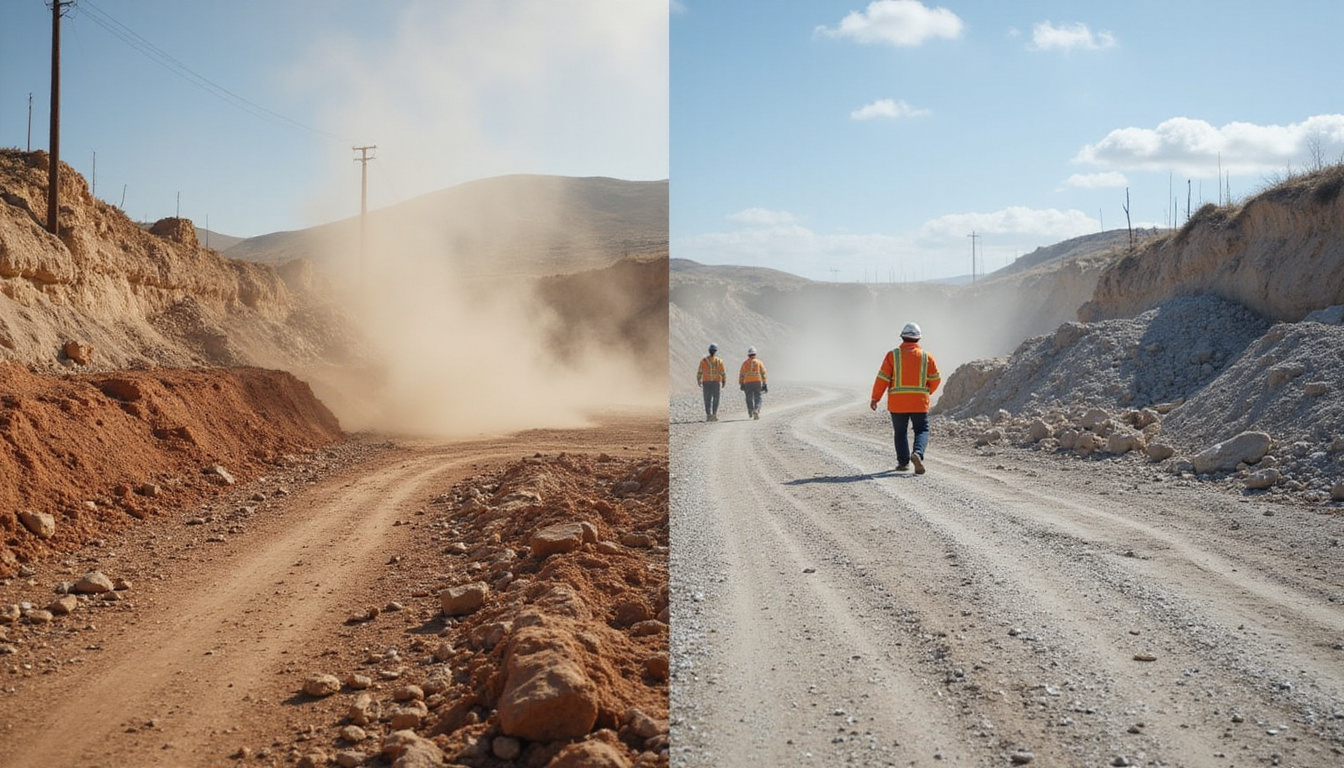
Construction dust is more than a nuisance; it’s a health and safety concern and a huge time‑drain if you battle it inefficiently.
Strategies to Control Dust
- Use HEPA vacuums instead of brooms
- Mist slightly before sweeping in certain areas to cut airborne particles (avoid on unfinished drywall or where water can damage finishes)
- Seal off areas using plastic sheeting and zipper doors if work continues in other sections
- Change vacuum filters and bags frequently to maintain suction and air quality
In multi‑day projects, schedule a quick “dust knockdown” at the start of each shift to keep accumulating dust manageable.
Surface-Specific Tips That Prevent Damage and Rework
Knowing how to handle different surfaces correctly minimizes complaints and expensive repairs.
Glass and Windows
- Use a dedicated glass scraper and fresh blades; never use putty knives or random blades.
- Wet the glass before scraping to reduce scratching risk.
- Avoid harsh abrasives or metal wool unless manufacturer-approved.
Flooring
- Hardwood: Never saturate with water; use damp mopping and hardwood‑safe cleaners.
- Tile: Remove grout haze using appropriate grout haze removers, not random acids.
- Vinyl/LVT: Avoid high‑alkaline strippers unless specified; they can damage finishes.
- Carpet: HEPA vacuum thoroughly; spot‑clean paint or adhesives carefully.
Stone and Specialty Surfaces
Natural stone (marble, travertine, granite) and specialty coatings can be sensitive to acids, bleach, or even standard cleaners. Confirm approved products before using anything strong.
Simple Ways to Cut Material and Travel Costs
Efficiency isn’t just about speed on the job—it’s also about smart logistics.
Buy in Bulk, But Standardize
- Standardize on a few proven, multi‑surface cleaners and tools.
- Buy frequently used items (microfiber, gloves, trash liners, glass cleaner) in bulk.
- Color‑code cloths and mops by area (e.g., bathrooms vs kitchens) to avoid cross‑contamination and reduce waste.
Optimize Load‑Out and Staging
- Use rolling carts or buckets-on-wheels for tools and chemicals.
- Stage supplies by floor or building section to reduce back‑and‑forth trips.
- Prepare pre‑packed kits (glass kit, floor kit, restroom kit) so cleaners don’t waste time searching for tools.
Small organizational improvements often translate into major time and labor savings over a full project.
Pricing and Estimating: Protect Your Profit
To cut costs responsibly, you first need a clear understanding of them.
Key Factors in Pricing Post Construction Cleaning
- Square footage and layout complexity
- Level of soiling: Basic new build vs heavy renovation with overspray and adhesive
- Number of phases: Rough clean, pre‑final, final detail
- Height and access: High ceilings, mezzanines, and exterior glass add time and risk
- Special surfaces: Stone, stainless, high‑gloss finishes, or specialty flooring
Use job logs from past projects to refine your production rates (e.g., square feet per hour per phase). Over time, your estimates will get more accurate, reducing the risk of underbidding.
Quick Checklist: Time- and Cost-Cutting Post Construction Cleaning Tips
Use this list as a fast reference on your next project:
- Walk the site and define scope and phases before quoting.
- Coordinate timing with the superintendent to avoid working around active trades.
- Break cleaning into rough, prep, and final phases.
- Use HEPA vacuums and microfiber to control dust efficiently.
- Work top to bottom, clean to dirty, far to near (toward your exit).
- Assign clear roles, zones, and specialties to your crew.
- Standardize tools and chemicals and keep them well organized.
- Train staff on surface‑specific care and safety.
- Document pre‑existing damage with photos.
- Do a final walkthrough with the client or GC for immediate sign‑off.
FAQ: post construction cleaning Questions
1. How long does post construction cleaning take for a typical home?
For a standard 2,000–2,500 sq. ft. home, full post construction cleaning (rough, prep, and final) can range from 12–25 labor hours depending on how dusty the site is, number of bathrooms, and how well the trades cleaned up after themselves. Renovations usually take longer than new builds due to heavier dust and debris.
2. What is usually included in professional post construction cleaning services?
Professional post construction cleaning services typically include debris removal, full dusting (high and low), cleaning of windows and tracks, detail cleaning of kitchens and bathrooms, interior cabinet and closet cleaning, baseboards and trim, and floor care. Exterior glass, pressure washing, and specialized floor treatments may be added as extras.
3. Is post construction cleanup different from regular house cleaning?
Yes. Post construction cleanup is more intensive and technical than routine house cleaning. It focuses on removing fine construction dust, adhesives, stickers, and paint drips; requires specialized tools like HEPA vacuums and scrapers; and often involves safety considerations like PPE and working around unfinished areas.
Bring in Experts to Maximize Results and Minimize Headaches
Post construction cleaning is where craftsmanship meets first impressions. Every smudge on glass, speck of dust on a ledge, or paint spot on a floor can overshadow weeks or months of build work. By phasing your cleaning, planning your workflow, equipping your team properly, and focusing on dust control and surface protection, you cut time, reduce costs, and deliver a polished space that wins repeat business.
If you want your next project to hand over faster—with fewer punch‑list issues and glowing feedback from clients—partner with a cleaning team that specializes in post construction cleaning. Reach out today to discuss your project, get an accurate estimate, and lock in a cleaning plan that protects your schedule, your finishes, and your reputation.