


If you own a home with a basement, your sump pump is one of the most important — and most overlooked — appliances you have. It quietly protects your foundation, your belongings, and your bank account from water damage. Yet many homeowners don’t really understand how their sump system works, when it’s at risk of failing, or what maintenance it needs until they’re standing ankle‑deep in cold, murky water.

This guide breaks down the essential sump pump secrets you need to know to avoid costly basement disasters and keep your home dry year‑round.
Why your sump pump matters more than you think
A sump pump’s job is simple: it collects groundwater and seepage into a sump pit and pumps it safely away from your foundation. When it works, you barely notice it. When it doesn’t, you can face:
- Flooded basements and ruined flooring
- Mold and mildew growth
- Structural damage to your foundation
- Destroyed furniture, electronics, and storage
- Thousands of dollars in repairs and remediation
According to the Insurance Information Institute, water damage and freezing are among the most common and costly home insurance claims (source). A properly installed and maintained sump pump is one of your best defenses against those losses.
How a sump pump system actually works
Understanding the basics helps you spot problems early.
Key components
A standard sump system includes:
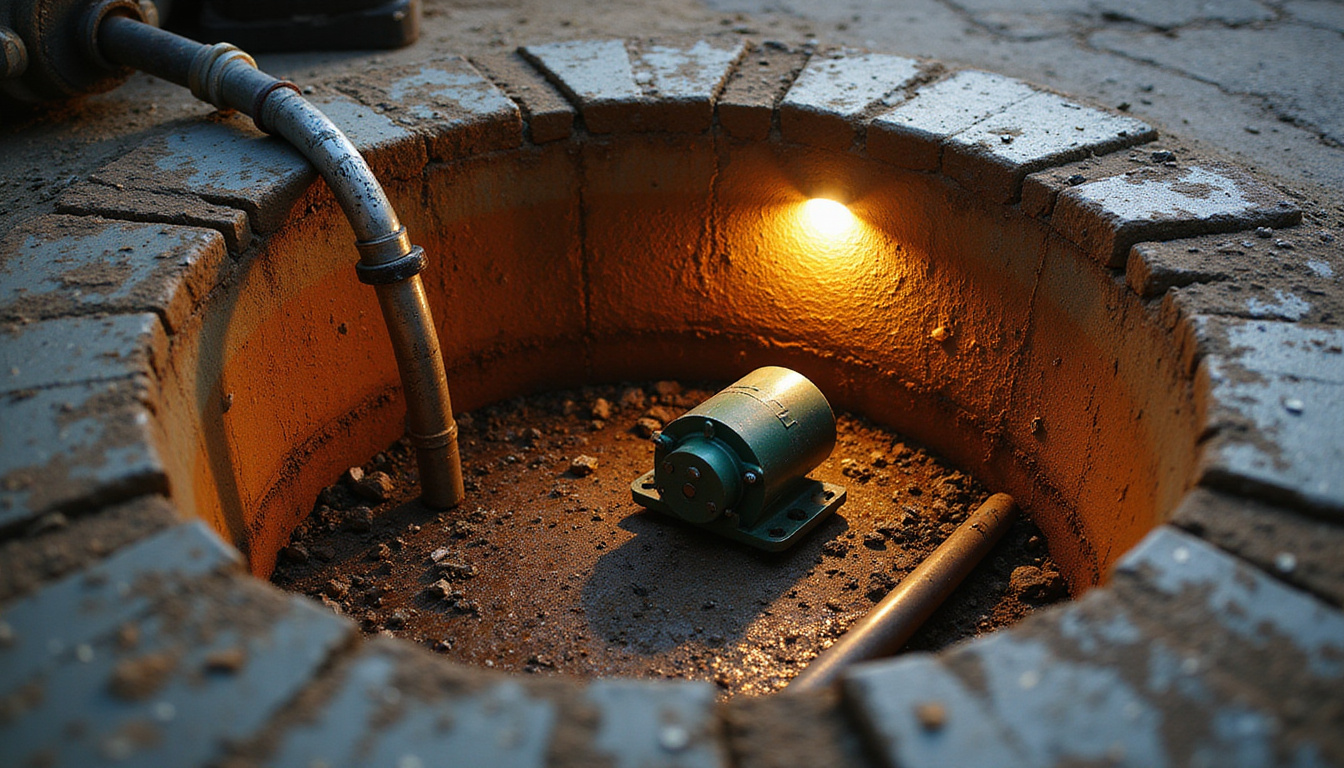
- Sump pit (or basin): A lined hole in your basement or crawl space that collects water.
- Primary sump pump: The electric pump that removes water once it reaches a certain level.
- Float switch or sensor: Tells the pump when to turn on and off.
- Discharge pipe: Carries water from the pit to the exterior of your home.
- Check valve: Prevents pumped-out water from flowing back into the pit.
- Power source: Typically a household electrical outlet; may include a backup system.
Types of sump pumps
There are two main types of residential sump pump:
-
Submersible sump pump
- Sits inside the sump pit, underwater when running
- Quieter and more powerful
- Better for finished basements
- Typically higher upfront cost but well‑suited for heavy use
-
Pedestal sump pump
- Motor sits above the pit on a pedestal
- Easier to service and often less expensive
- Louder and more visible
- Best for smaller pits or limited space
Knowing which type you have helps you follow the right maintenance steps and choose a compatible backup unit when the time comes.
Silent warning signs your sump pump is in trouble
Your pump rarely fails without warning. The problem is, most homeowners miss the signals. Watch for these early signs:
-
Strange noises
Grinding, rattling, or clanking can indicate damaged impellers, worn bearings, or debris in the pump. -
Frequent on/off cycling
If the pump turns on and off rapidly, your float switch may be stuck, improperly adjusted, or the pit may be too small. -
Running continuously
A pump that never shuts off may be undersized, have a stuck switch, a plumbing leak, or an improperly placed discharge line. -
Excessive vibration
Vibration can mean the impeller is bent or damaged, which can lead to premature failure. -
Visible rust or corrosion
This can affect performance, clog the system, or eventually cause leaks. -
Bad smells or moldy odors
Standing water in the pit or poor drainage can lead to bacterial and mold growth.
If you notice any of these, don’t wait for the next storm. A failing sump pump often works “just barely” — until heavy rainfall or snowmelt pushes it over the edge.
Essential sump pump maintenance checklist
A little regular maintenance dramatically lowers your risk of a wet basement. Here’s a practical routine most homeowners can handle themselves.
Monthly or after major storms
-
Visually inspect the pit:
Check that the sump pit is free of large debris, toys, gravel, or trash that could clog the pump. -
Test the pump:
Slowly pour a bucket of water into the pit. The float should lift, the pump should start, and water should discharge to the outside. Watch until it fully shuts off. -
Listen while it runs:
The pump should sound consistent without grinding, banging, or screeching.
Quarterly
-
Clean the pit:
Scoop out sediment, mud, and loose debris from the bottom. A wet/dry vacuum makes this easier. -
Inspect the discharge line:
Make sure the line is secure, not sagging, and discharging far enough from your foundation (ideally 10+ feet away and downhill). -
Check the check valve:
Ensure it’s installed on the discharge pipe and oriented the right way (arrow pointing away from the pump).
Annually
-
Deep clean the pump (if safe to do so):
- Unplug the pump.
- Disconnect it from the discharge line.
- Lift it out of the pit (have towels handy).
- Rinse off dirt, scale, and buildup.
- Clear any debris from the intake screen.
- Reinstall and test with water.
-
Inspect the power and cords:
Check for frayed cords, loose plugs, or overloaded power strips. Ideally, the sump pump should have a dedicated outlet, not a shared power strip with other devices. -
Schedule a pro inspection (optional but wise):
For older systems or high‑risk basements, a plumber or waterproofing contractor can test capacity, check for hidden issues, and confirm that everything meets current best practices.
Backup systems: your best defense against power outages
The most overlooked sump pump secret is that primary pumps tend to fail exactly when you need them most — during heavy storms, when:
- The power goes out
- The pump is overworked
- Groundwater levels are at their highest
That’s where backup systems come in.
Types of backup sump pump systems
-
Battery backup sump pump
- A secondary pump powered by a deep‑cycle battery
- Automatically kicks in if the main pump fails or the power goes out
- Often includes an alarm to alert you of problems
- Battery typically lasts several hours to a full day of intermittent pumping, depending on capacity
-
Water‑powered backup sump pump
- Uses municipal water pressure to pump out groundwater
- No battery to maintain or replace
- Only works if you have city water with adequate pressure
- Not suitable for homes with well systems
- Can increase your water bill during extended use
Smart features worth considering
Modern backup systems often include:
- Wi‑Fi or app alerts if the pump runs, fails, or loses power
- Self‑testing functions to ensure readiness
- Status lights and audible alarms for quick troubleshooting
If your basement is finished or stores valuables, a backup sump pump isn’t a luxury — it’s an essential layer of protection.
Installation and replacement: when to call in a pro
Some handy homeowners can install or replace a sump pump themselves, but many situations call for professional help.
When DIY may be reasonable
- Simple pump swap in an existing, properly sized pit
- Accessible discharge line and check valve already in place
- Clear, manufacturer-provided instructions
- Comfort level working with basic plumbing connections
When you should hire a professional
- No existing sump pit or poorly located pit
- Frequent basement water problems despite a pump
- Need to route a new discharge line through walls or foundation
- Desire to add a battery backup or second pump in the same pit
- Signs of foundation cracks or serious seepage
As a rule of thumb, a sump pump’s lifespan is about 7–10 years, depending on usage and quality. If your unit is approaching that age or has been running heavily for years, pro‑active replacement is far cheaper than flood cleanup.
Common mistakes that lead to sump pump failures
Avoid these all‑too‑common pitfalls that can turn a rainstorm into a nightmare:
-
Sharing the outlet with other heavy appliances
A tripped breaker or overloaded circuit can shut down the pump without you noticing. -
Improper discharge location
Letting water discharge right next to the foundation or into the sewer line can cause it to cycle endlessly or even violate local codes. -
Ignoring frozen or clogged discharge pipes
In cold climates, exterior lines can freeze; they can also clog with debris, leaves, or small animals’ nests. -
Relying solely on a single, aging pump
No backup, no alarm, and no plan is a recipe for disaster. -
Never testing the pump
Assuming it will work because “it always has” is one of the biggest mistakes homeowners make.
A few minutes of attention every month can prevent these issues and extend the life of your sump pump system.
Simple steps to reduce how often your sump pump has to run
The less work your pump has to do, the longer it will last and the lower your risk of failure.
-
Extend downspouts:
Ensure gutters and downspouts carry roof water at least 6–10 feet away from the foundation. -
Grade the soil properly:
The ground around your home should slope away, not toward, the foundation. -
Maintain gutters:
Clean them regularly to prevent overflow right along your basement walls. -
Seal obvious cracks:
Fill visible cracks in basement walls and floors with appropriate sealants (and have structural cracks inspected). -
Check landscaping:
Avoid beds or features that trap water against the house.
These exterior drainage improvements and your sump pump should work together as a system to keep your basement dry.
FAQ: Sump pump basics and best practices
1. How often should a sump pump run in a basement?
There’s no single “normal” frequency. During wet seasons or storms, your pump may run every few minutes; in dry weather, it may stay idle for days. What matters is consistency: abrupt changes in how often it runs, continuous running, or rapid cycling on and off can indicate problems with the sump pump, float switch, groundwater levels, or drainage outside.
2. How long does a sump pump last before it should be replaced?
Most residential units last 7–10 years under typical use. If your pump is over a decade old, runs very frequently, or shows signs of rust, noise, or inconsistent operation, it’s wise to plan a proactive replacement. Waiting until the sump pump fails in a storm usually means dealing with water damage as well as installation costs.
3. Do I really need a battery backup for my sump pump system?
If your basement is finished, stores important belongings, or your area experiences frequent storms and outages, a battery backup is strongly recommended. Power failures often occur during heavy rain — exactly when you rely on your pump most. A backup sump pump running on battery power provides a critical safety net, keeping water out until electricity is restored.
Protect your home before the next big storm
A dry basement isn’t about luck; it’s about preparation. Understanding how your sump pump works, recognizing early warning signs, and investing in regular maintenance and a reliable backup system can spare you from heart‑stopping floods and expensive repairs.
Take 15 minutes this week to:
- Test your pump with a bucket of water.
- Inspect the pit, discharge line, and power connection.
- Check the age of your system and consider whether it’s time for an upgrade or backup.
If you’re unsure about your sump setup — or if you’ve seen any warning signs — reach out to a qualified plumber or waterproofing specialist now, before the next heavy rain hits. A quick inspection and a modest investment today can save your basement, your belongings, and your peace of mind tomorrow.