


Construction Debris Removal: Proven Hacks to Cut Costs and Cleanup Faster
Construction debris removal is one of the biggest hidden costs on any jobsite—whether you’re renovating a single room or managing a full-scale commercial build. Labor, hauling fees, container rentals, and disposal charges add up fast. The good news: with a bit of planning and the right strategies, you can dramatically reduce cleanup time and cut waste-related expenses without sacrificing safety or quality.

Below are proven, field-tested hacks that contractors, remodelers, and DIY builders use to stay on schedule, stay compliant, and still save money on debris removal.
Why Construction Debris Removal Matters More Than You Think
Construction waste is more than just “trash.” It affects:
- Total project cost – hauling, disposal, and labor often exceed estimates
- Site productivity – cluttered sites slow down trades and increase accidents
- Client satisfaction – a clean, orderly jobsite builds trust and professionalism
- Regulatory compliance – improper disposal can lead to fines and legal issues
According to the U.S. EPA, construction and demolition (C&D) activities generate hundreds of millions of tons of debris annually in the United States alone (source: EPA C&D Materials). That scale is exactly why smart debris management can make or break your margins.
Plan Debris Handling Before the First Hammer Swing
Most cost overruns in construction debris removal happen because there was no plan. Start with a simple debris management plan that covers:
1. What You’ll Be Removing
List the main waste streams:
- Concrete, brick, and masonry
- Wood framing and trim
- Drywall and plaster
- Roofing materials
- Metals (copper, steel, aluminum)
- Cardboard and packaging
- Hazardous or special waste (paint, solvents, asbestos, treated wood)
Knowing this up front lets you choose the right containers, tools, and disposal methods.
2. Where It Will Go
Decide:
- Which items can be reused or salvaged on-site
- What can be sold or donated
- What can be recycled locally
- What must go to landfill or special facilities
Sketch a simple site map showing debris staging zones, container locations, and traffic flow for carts or equipment. Shorter travel paths = less wasted labor time.
Separate as You Go: The Fastest Way to Cut Costs
Mixed debris is cheap to throw on a pile—but expensive to get rid of. Many haulers charge more for unsorted loads. The smarter approach: source separation.
Simple On-Site Sorting System
For most residential and light commercial projects, you can streamline construction debris removal with just a few dedicated zones or containers:
- Metals – copper, steel, aluminum, wiring (often recyclable for cash)
- Clean wood – untreated lumber, pallets, framing offcuts
- Concrete/masonry – bricks, blocks, concrete rubble
- Cardboard and packaging – boxes, plastic wrap, foam
- General trash – contaminated materials, insulation scraps, food waste
Color-code bins, label them clearly, and train your crew. A five-minute toolbox talk can save hours of re-sorting later—and lower tipping fees at the disposal site.
Right-Size Your Containers and Schedule
Dumpster and container strategy can make or break your debris budget.
Avoid the “One Giant Dumpster” Trap
A single oversized roll-off is convenient but often not cost-effective. Problems include:
- Paying for unused volume
- Mixing all debris (higher disposal fees)
- Longer rental periods than needed
Instead, consider:
- Two smaller dumpsters (e.g., one for clean fill, one for mixed C&D)
- Shorter, staggered rentals aligned with project phases (demo, framing, finishes)
- On-site bins or bags for specific materials (metal, cardboard) that you haul yourself or recycle separately
Time Your Hauls to Work Phases
Match your dumpster drops and pickups to the project schedule:
- Demolition phase – largest volume, especially heavy material
- Rough-in and framing – moderate volume, mostly wood and packaging
- Finishes and trim – lighter loads, more cardboard and plastics
Coordinating with your hauler to avoid half-full pulls or emergency pickups can significantly cut costs.
Use the Right Tools and Methods for Faster Cleanup
Labor is often the biggest expense in construction debris removal. Small investments in tools and workflow can slash cleanup time.
Essential Debris Handling Tools
- Heavy-duty contractor trash bags (strong enough for sharp edges)
- Debris chutes for multi-story work to avoid risky manual carries
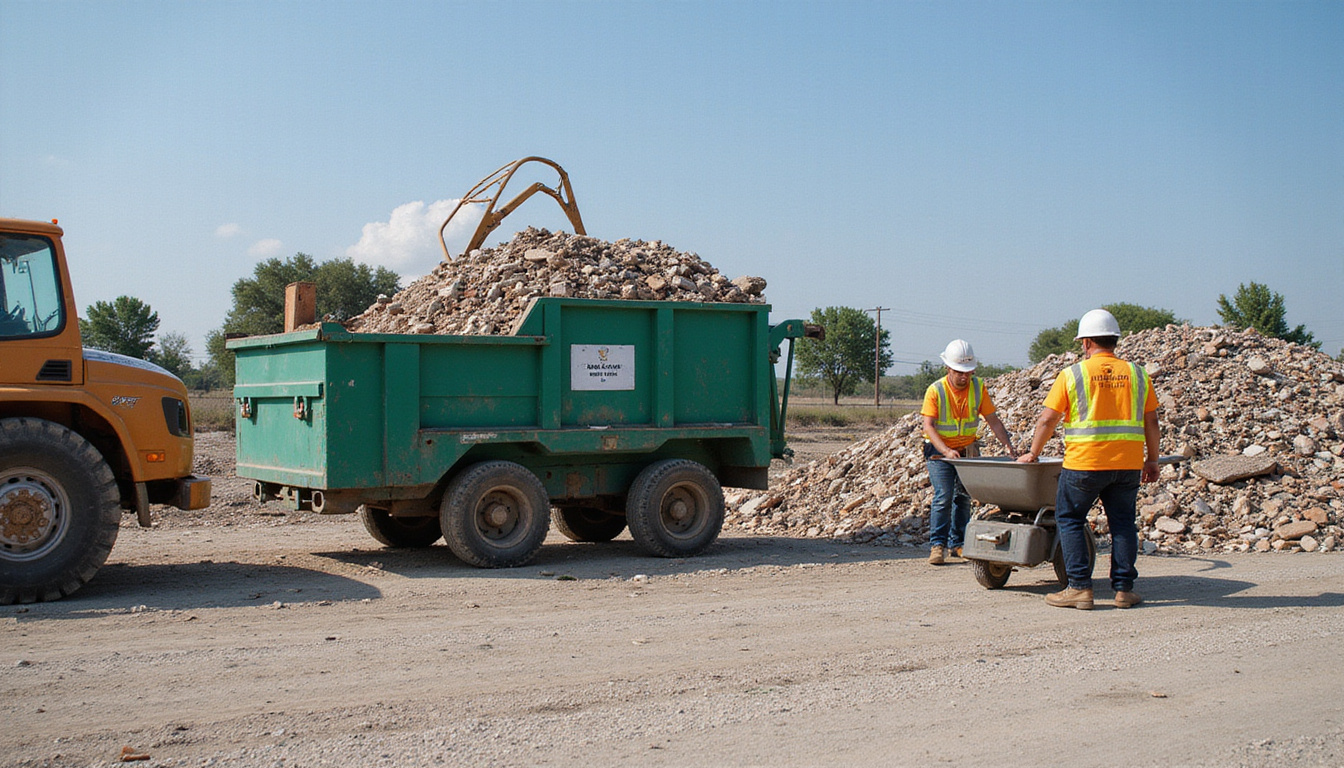
- Wheelbarrows or dump carts for quick material moves
- Magnetic sweepers to collect nails and metal fragments
- Flat shovels and push brooms for final floor cleanup
On larger sites, consider:
- Skid-steer loaders with buckets or grapples
- Mini dumpers or powered wheelbarrows
- Forklifts for palletized debris
Batch Your Cleanup
Instead of constant, ad-hoc cleaning, schedule short, focused cleanup blocks during the day:
- Quick sweep and sort mid-morning
- Pre-lunch cleanup
- End-of-day 20–30 minute cleanup window
Batching keeps productivity high while preventing dangerous clutter and end-of-project chaos.
Salvage, Reuse, and Resell: Turn “Trash” into Value
Not all debris is worthless. With a bit of effort, some materials from construction debris removal can offset costs or even generate revenue.
Materials Worth Saving or Selling
- Old doors and windows (especially solid wood or vintage units)
- Cabinetry and fixtures in good condition
- Hardwood flooring, architectural trim, and beams
- Bricks and stone from older properties
- Metal – copper pipe, brass, steel, aluminum
Options include:
- Using salvaged materials elsewhere on the project
- Listing items on local marketplaces or contractor networks
- Donating to building material reuse centers or charities (sometimes with tax benefits—check with a tax professional)
Always factor in the labor to remove and handle these items. Salvage makes sense when the value (or client goodwill) exceeds the time and effort.
Leverage Local Recycling and Disposal Options
Every region has different rules and opportunities. Spend a little time researching your local options before the project starts.
Common Recycling Streams for Construction Debris
- Concrete and asphalt – often crushed and reused as base material
- Clean wood – chipped for mulch or biomass energy
- Metals – almost always recyclable and frequently paid by weight
- Cardboard and some plastics – accepted by many recycling centers
Many municipal or private facilities provide detailed guidelines on acceptable materials and pricing structures (source: check your local solid waste authority or municipal website).
Know Your Hazardous Materials Rules
Some waste cannot go in standard dumpsters, such as:
- Asbestos-containing materials
- Lead-based paint and contaminated debris
- Certain adhesives, solvents, and chemicals
- Fluorescent lamps, some electronics, and batteries
Improper handling can result in fines and health risks. If you suspect hazardous materials, get them tested and use licensed abatement or disposal services as required by law.
DIY vs. Professional Construction Debris Removal
There’s a tipping point where it’s cheaper and safer to call in pros rather than handle everything yourself.
When DIY Makes Sense
- Small-scale renovations and repairs
- Easy access for pickup trucks or trailers
- Primarily light debris (drywall, trim, packaging)
- You have enough labor available without delaying other work
When to Hire a Professional Service
- Full-home gut renovations or large additions
- Multi-story properties with tricky access
- Heavy materials like concrete, brick, and roofing
- Tight timelines where every hour of crew time matters
- Projects involving potential hazardous materials
Professional construction debris removal companies bring:
- Proper trucks and equipment
- Trained crews with safety protocols
- Knowledge of local regulations and recycling options
- Predictable pricing (weight, volume, or load-based)
Get multiple quotes, clarify what’s included (labor, sweep-up, disposal fees), and confirm licensing and insurance.
Safety First: Don’t Trade Injuries for Savings
Fast and cheap is worthless if someone gets hurt. Cleanup carries real risk—sharp objects, heavy lifting, dust, and unstable piles.
Basic Safety Practices
- Require PPE: gloves, safety glasses, hard hats, and sturdy footwear
- Train crews on proper lifting techniques and the use of carts or equipment
- Keep paths to exits and stairs clear at all times
- Avoid overloading bags or carts—use more trips instead of one dangerous load
- Control dust with misting or vacuums when cutting or breaking materials
A well-organized debris plan actually improves safety—clear sorting, frequent small cleanups, and proper staging zones reduce accidents, rework, and down time.
Quick Checklist: Cost-Cutting Debris Removal Hacks
Use this list to tighten up your next project’s waste management:
- Create a simple debris management plan before work starts.
- Identify recyclable and salvageable materials in advance.
- Set up labeled sorting bins (metal, wood, concrete, cardboard, trash).
- Right-size dumpsters and schedule them around project phases.
- Use the right tools (carts, chutes, magnetic sweepers) to cut labor time.
- Batch cleanup tasks instead of constant, inefficient pickups.
- Salvage and resell high-value materials when it makes economic sense.
- Research local recycling facilities and disposal rules early.
- Know your hazardous materials and handle them correctly.
- Compare DIY vs. pro services based on job size, access, and crew availability.
FAQ: Construction Debris Removal and Cleanup
Q1: How much does construction waste removal typically cost?
Costs vary by region and material type, but for construction debris removal you’ll usually pay by volume (yard) or weight (ton). A 10–20 yard dumpster for a residential renovation can range from a few hundred to over a thousand dollars, depending on location, rental duration, and disposal fees. Sorted loads (like clean concrete or metal) often cost less to dispose of than mixed C&D debris.
Q2: What can be recycled from construction site cleanup?
Many items from construction site cleanup can be recycled: metals, clean wood, cardboard, concrete, and some plastics. Local rules differ, so check with municipal or private facilities for accepted materials. Separating recyclables on-site usually reduces overall disposal expenses.
Q3: Is it better to hire a construction junk removal service or rent a dumpster?
For small jobs with limited heavy debris, a construction junk removal service can be more convenient—they provide labor and hauling in one price. For bigger renovations or ongoing projects, a dumpster rental is often more economical, especially if you can handle loading and basic sorting with your own crew. Compare quotes from both options, including all labor, travel, and disposal fees.
Make Debris Removal a Competitive Advantage
Most builders and renovators treat construction debris removal as an afterthought—until it blows up their budget or delays the final walkthrough. By planning early, sorting efficiently, using the right tools, and leveraging local recycling and professional services strategically, you can turn waste management into a competitive advantage.
If you’re ready to streamline your next project, start by mapping your waste streams and contacting local haulers and recyclers for options. Or, reach out to a reputable construction debris removal service today for a tailored plan and quote. A cleaner, safer, and more cost-effective jobsite is entirely achievable—your bottom line (and your clients) will notice the difference.