


Designing effective architectural plans is one of the most powerful ways to make a small home feel bright, open, and spacious. Thoughtful planning can transform compact footprints into calm, livable spaces that feel far larger than their square footage. Whether you’re renovating, building from scratch, or reconfiguring an existing layout, the right design moves will dramatically increase both light and perceived space.

Below, you’ll find a practical, people-focused guide to planning a small home that lives big.
Why Light and Space Matter So Much in Small Homes
In small homes, every square foot has a job. Without careful architectural plans, rooms can feel cramped, dark, and disconnected. Maximizing natural light and visual flow doesn’t just make spaces look better; it can:
- Reduce reliance on artificial lighting and cut energy use (source: U.S. Department of Energy)
- Improve mood and well-being
- Make rooms more functional and flexible
- Increase resale value and buyer appeal
The goal isn’t just to fit everything in, but to make a small home feel calm, airy, and efficient.
Start with the Big Picture: Site, Orientation, and Layout
Great architectural plans begin long before you draw interior walls. The site and orientation of the home strongly influence how much natural light you can capture.
Analyze Sun Path and Views
Study how the sun moves across your property:
- East light is soft and ideal for bedrooms and breakfast nooks.
- South light (in the Northern Hemisphere) is steady and bright—perfect for main living spaces.
- West light can be harsh; better for secondary spaces or shaded areas.
- North light is cool and consistent, good for studios or kitchens that need even illumination.
Position major living areas—kitchen, dining, and living room—where they can benefit from the best available light and views.
Use an Open-Plan Core
Open-plan layouts are especially powerful in small homes. They:
- Reduce unnecessary walls that block light
- Create longer sightlines, making spaces feel larger
- Allow flexible furniture arrangements
A common strategy in architectural plans for small homes is placing the living, dining, and kitchen along one open axis, with private rooms branching off. This creates a “light spine” through the home that helps daylight travel deeper into the interior.
Plan Circulation to Avoid Wasted Space
Circulation—the paths people take through the home—can either eat up square footage or help open it up.
Minimize Hallways
Instead of long corridors, aim for:
- Rooms that flow into each other with wide openings
- Short “transition zones” that double as storage, reading corners, or display areas
- Shared circulation: for example, using a living room as a connector between kitchen and bedrooms, rather than adding separate hallways
Align Doors and Views
When doors, windows, and openings line up, you create sightlines that make a home feel more expansive. Consider:
- Aligning the front door with a window or glass door to the backyard
- Creating “borrowed views” through interior glass panels or transom windows
- Positioning doors so you see light and space, not a wall, when entering a room
These details might look subtle on architectural plans, but in real life they change how large a home feels.
Use Windows Strategically to Pull in Light
The placement, proportion, and type of windows are central to maximizing light.
Vary Window Heights and Types
A mix of window types helps distribute daylight more evenly:
- Tall windows bring in deeper light and views.
- Clerestory windows (high on the wall) pull in daylight while preserving privacy and furniture placement.
- Corner windows give a panoramic feel and visually “erase” the corner of a room.
- Skylights and roof windows flood internal or upper areas with overhead light.
For small homes, consider wrapping windows around corners or using larger panes with slim frames to minimize visual barriers.
Balance Light with Privacy
Small lots and close neighbors often demand privacy. Instead of shrinking windows:
- Use frosted or textured glass in bathrooms and side-yard windows.
- Raise sill heights so you get sky and treetops instead of direct neighbor views.
- Add light shelves or overhangs that bounce daylight in while limiting views from outside.
Architectural plans that respect both light and privacy ensure spaces feel comfortable, not exposed.
Design Multi-Functional Spaces and Built-In Storage
Clutter and bulky furniture can quickly shrink a small home. Smart planning integrates storage and flexibility into the architecture itself.
Integrate Built-Ins
Built-in solutions are more space-efficient than freestanding pieces:
- Window seats with storage below
- Floor-to-ceiling bookshelves or cabinets on otherwise unused walls
- Built-in wardrobes instead of large wardrobes protruding into rooms
- Bench seating in dining areas that tucks under tables
These elements create clean lines and reduce visual noise, which helps light travel and makes rooms feel calmer.
Make Rooms Do Double Duty
Instead of one-use rooms, design spaces that adapt:
- A guest room/home office with a wall bed or sofa bed
- A dining area that also functions as a workspace or homework zone
- A hallway niche that becomes a small reading or work area with a built-in desk
When drawing architectural plans, label spaces by function, but design them to support multiple uses.
Vertical Space: Height as Your Hidden Asset
Even if your floor area is limited, you can steal a sense of space from above.
Use Higher Ceilings Strategically
If budget and structure allow, raise ceiling heights in key areas:
- Living rooms feel dramatically larger with even an extra 12–18 inches.
- Sloped or vaulted ceilings in small rooms can turn them into standout spaces.
- Double-height zones over part of the living area (in two-story designs) bring in light from upper-level windows.
Varying ceiling heights can help define zones within open plans while keeping an airy feel.
Exploit Vertical Storage and Light
Think upwards:
- Tall cabinets that reach the ceiling (with a clean, minimal design)
- High-level storage above doors or hallways
- Vertical slatted screens that divide spaces without blocking light
- High internal windows that borrow light between rooms
By pulling the eye upward, you make rooms feel more generous and dynamic.
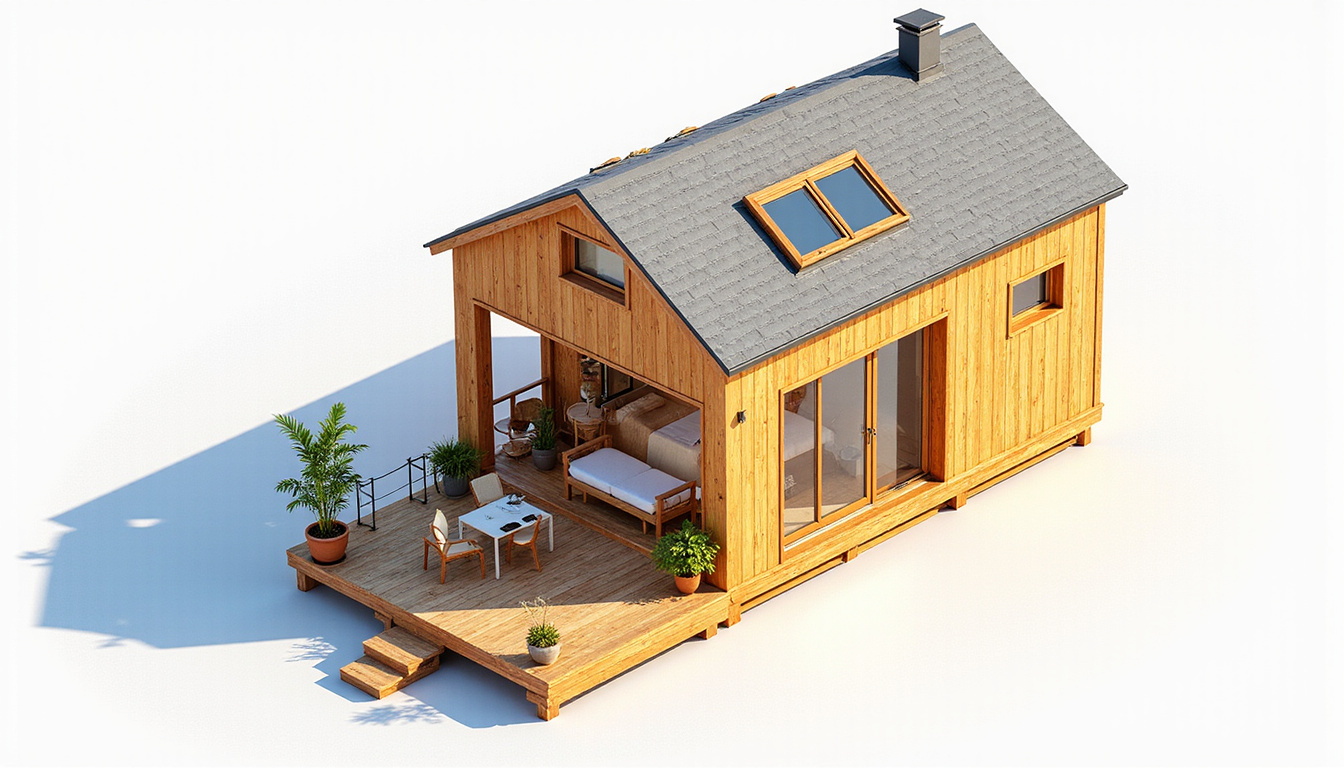
Choosing Materials, Colors, and Finishes that Enhance Space
While architectural plans focus on structure and layout, material choices strongly affect how spacious a home feels.
Opt for Light, Continuous Surfaces
To maximize light and visual openness:
- Use light-colored walls and ceilings to reflect natural light.
- Choose continuous flooring across open-plan areas to avoid visual breaks.
- Limit the number of different materials and colors; aim for a cohesive palette.
Glossy or semi-matte finishes on some surfaces (like tiles or cabinetry) can help bounce light deeper into rooms, but avoid too much shine, which can cause glare in small spaces.
Use Glass and Transparency with Intention
Transparent and translucent elements allow space and light to flow:
- Internal glass doors or panels between rooms
- Frosted glass for privacy where needed
- Glass balustrades on stairs or mezzanines
- Room dividers with slatted or open designs rather than solid partitions
These strategies maintain separation without sacrificing openness.
Outdoor Connections: Extend Space Beyond the Walls
Good architectural plans treat outdoor areas as part of the living space, especially when indoors is small.
Create Seamless Indoor–Outdoor Flow
You can effectively “double” your living area during good weather by:
- Installing large sliding, folding, or pivot doors to a patio or deck
- Keeping indoor and outdoor floor levels as flush as possible
- Repeating materials (like decking or tiles) inside and out to blur boundaries
Even a compact courtyard can transform a small home if it’s connected directly to key living spaces.
Design Usable Micro-Outdoor Spaces
On tight sites, every bit of outdoor space counts:
- A small balcony off a bedroom or living room
- A light well or courtyard at the center of the plan
- A roof terrace on flat roofs
- Planting beds or green walls visible from inside
Views to greenery make interiors feel more expansive and improve well-being.
Practical Checklist: Key Moves for Small-Home Architectural Plans
When working on architectural plans to maximize light and space in a small home, make sure you:
- Study orientation and sun path to place main living areas in the best light.
- Prioritize an open-plan core for living, dining, and kitchen.
- Minimize hallways and make circulation work double-duty.
- Use a variety of windows (tall, corner, clerestory, and skylights) to distribute daylight.
- Align openings and views to create long sightlines.
- Incorporate built-in storage and multi-use rooms to reduce clutter.
- Exploit vertical space with higher ceilings and tall storage.
- Choose a light, cohesive materials palette to enhance brightness.
- Add glass and semi-open partitions instead of solid walls where possible.
- Connect to outdoor spaces with large openings, decks, balconies, or courtyards.
Use this list as a design filter while sketching or reviewing your plans.
FAQ: Architectural Plans for Light and Space in Small Homes
Q1: How can architectural planning make a small house feel bigger without increasing square footage?
By focusing on layout, circulation, and light. Open-plan living areas, minimized hallways, tall and well-placed windows, and built-in storage all make a small home feel larger. Thoughtful architectural plans use sightlines, ceiling heights, and indoor–outdoor connections to enhance perceived space, even when the actual footprint stays the same.
Q2: What are the best window strategies in small home architectural designs?
The best strategies include mixing window types (tall, corner, clerestory, and skylights), aligning windows to create views through the house, and using higher sills or frosted glass where privacy is needed. In well-designed architectural plans, windows are positioned to capture morning and midday light in key living spaces and to bring daylight deep into the interior.
Q3: Are open-plan architectural layouts always the best option for small homes?
Open plans are usually helpful, but they work best with subtle zoning. Many successful architectural plans combine an open living–dining–kitchen area with semi-separated nooks for work, reading, or storage. Using partial walls, glass partitions, or changes in ceiling height helps define areas without sacrificing light and spaciousness.
Maximizing light and space in a small home starts with the drawing board. If you’re planning a new build or renovation, now is the moment to refine your architectural plans so every square foot works harder and feels brighter. Consider collaborating with a designer or architect who understands compact living, or review your existing plans against the strategies above. With a few key design moves, your small home can become an airy, efficient sanctuary that lives far larger than its footprint—so begin refining your layout, windows, and storage today to create the light-filled space you truly want.