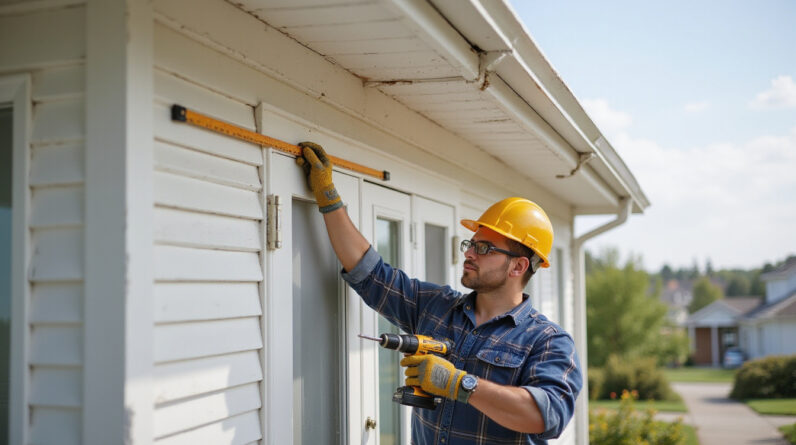


If your home was built before the late 1990s, asbestos testing should be on your checklist before any renovation or demolition work. Hidden asbestos can turn a simple remodel into a serious health risk and a financial nightmare. Understanding where asbestos might be, how testing works, and what your legal responsibilities are can help you protect your family and avoid very expensive mistakes.

What Is Asbestos and Why Was It Used?
Asbestos is a group of naturally occurring minerals known for being:
- Fire-resistant
- Strong and durable
- Good at insulating heat and sound
Because of these properties, asbestos was added to thousands of building products throughout much of the 20th century. It was commonly used in:
- Homes
- Schools
- Commercial buildings
- Industrial facilities
The problem? When asbestos-containing materials are damaged, cut, drilled, or sanded, they can release tiny fibers into the air. When inhaled, these fibers can become lodged in the lungs and cause serious diseases years or decades later.
Health Risks Linked to Asbestos
Medical research has clearly linked asbestos exposure to several diseases, including:
- Asbestosis – a chronic lung disease that causes scarring and breathing difficulties
- Lung cancer – often appearing many years after exposure
- Mesothelioma – a rare, aggressive cancer that affects the lining of the lungs or abdomen
According to the U.S. Environmental Protection Agency (EPA), there is no known safe level of asbestos exposure (source: EPA Asbestos Overview). That’s why proper asbestos testing and control measures are taken so seriously.
Why Asbestos Testing Matters Before Renovations
Many homeowners assume their property is “too new” for asbestos, or that if they leave materials alone, they’re safe. Both assumptions can be risky.
Renovation Work Can Disturb Hidden Asbestos
Asbestos is most dangerous when it becomes friable—easily crumbled, powdered, or reduced to dust. Common renovation activities that can disturb asbestos include:
- Removing old flooring or tiles
- Cutting or demolishing walls and ceilings
- Sanding or scraping textured coatings
- Replacing old pipes, ductwork, or insulation
- Tearing out old roofing, siding, or eaves
If asbestos-containing materials (ACMs) are disturbed without proper precautions, fibers can contaminate:
- The air you breathe
- Carpets, furniture, and belongings
- HVAC systems and ductwork
Cleaning up after an accidental asbestos release often requires specialized remediation professionals, negative air containment, and thorough clearance testing—costing far more than planned renovation work.
Financial and Legal Consequences
Skipping asbestos testing can have serious financial and legal implications:
- Project shutdowns – Contractors or inspectors can halt work if suspect asbestos is discovered mid-project.
- Costly cleanup – Uncontrolled disturbance can mean thousands of dollars in emergency abatement and decontamination.
- Fines and liability – In many regions, homeowners and contractors face penalties for improper handling and disposal of asbestos.
- Resale problems – Poor documentation or mishandling can raise red flags for future buyers and their inspectors.
Proactive asbestos testing, on the other hand, gives you clarity and control so you can plan safe, compliant renovations from the start.
Common Places Asbestos May Be Hiding in Homes
Asbestos use peaked between the 1940s and late 1970s, but some products containing asbestos remained in use into the 1990s and beyond in some countries. If your home was built or renovated during these decades, asbestos may be present in:
Interior Building Materials
- Vinyl floor tiles and sheet flooring (and the black mastic adhesive underneath)
- Popcorn / textured ceilings and some decorative wall finishes
- Cement sheet (fibro) walls and ceilings in older bathrooms, laundries, and exteriors
- Plaster, joint compound, and patching compounds
- Insulation around boilers, furnaces, ductwork, and pipes
Exterior Building Materials
- Cement siding and shingles
- Roofing felt, shingles, and corrugated roofing sheets
- Soffits, eaves, and some exterior panels
Other Less Obvious Products
- Old backing materials on vinyl flooring and linoleum
- Fireproofing panels in or around fireplaces and wood stoves
- Some adhesives, caulks, and sealants used historically
Visual inspection alone is not enough to confirm or rule out asbestos. Many modern and older materials look almost identical, which is why professional asbestos testing is essential.
How Asbestos Testing Works
Asbestos testing is the process of taking samples of suspect materials and analyzing them in an accredited laboratory to determine whether asbestos is present and at what percentage.
Step 1: Initial Inspection and Planning
A licensed asbestos inspector or industrial hygienist will:
- Review the age and history of your home or building.
- Visually inspect areas where work is planned.
- Identify suspect materials that might need testing.
- Develop a sampling plan focused on the renovation or demolition scope.
Step 2: Safe Sample Collection
Proper sampling is critical to avoid releasing fibers. Professionals:
- Wear appropriate personal protective equipment (PPE).
- Lightly wet the material to reduce dust.
- Carefully cut a small piece of the suspect material.
- Seal samples in airtight containers or bags.
- Label and document where each sample came from.
Multiple samples may be taken from different areas or layers, especially for flooring, ceiling textures, and multi-layered construction.
Step 3: Laboratory Analysis
Samples are sent to a specialized lab where technicians use methods such as:
- Polarized Light Microscopy (PLM) – common for bulk building materials.
- Transmission Electron Microscopy (TEM) – more sensitive, sometimes required for certain materials or regulations.
The lab report will state:
- Whether asbestos is present or absent.
- The type(s) of asbestos fiber (e.g., chrysotile, amosite, crocidolite).
- The percentage of asbestos in the material.
These results guide your next steps—whether you can leave materials in place, manage them safely, or need professional removal.
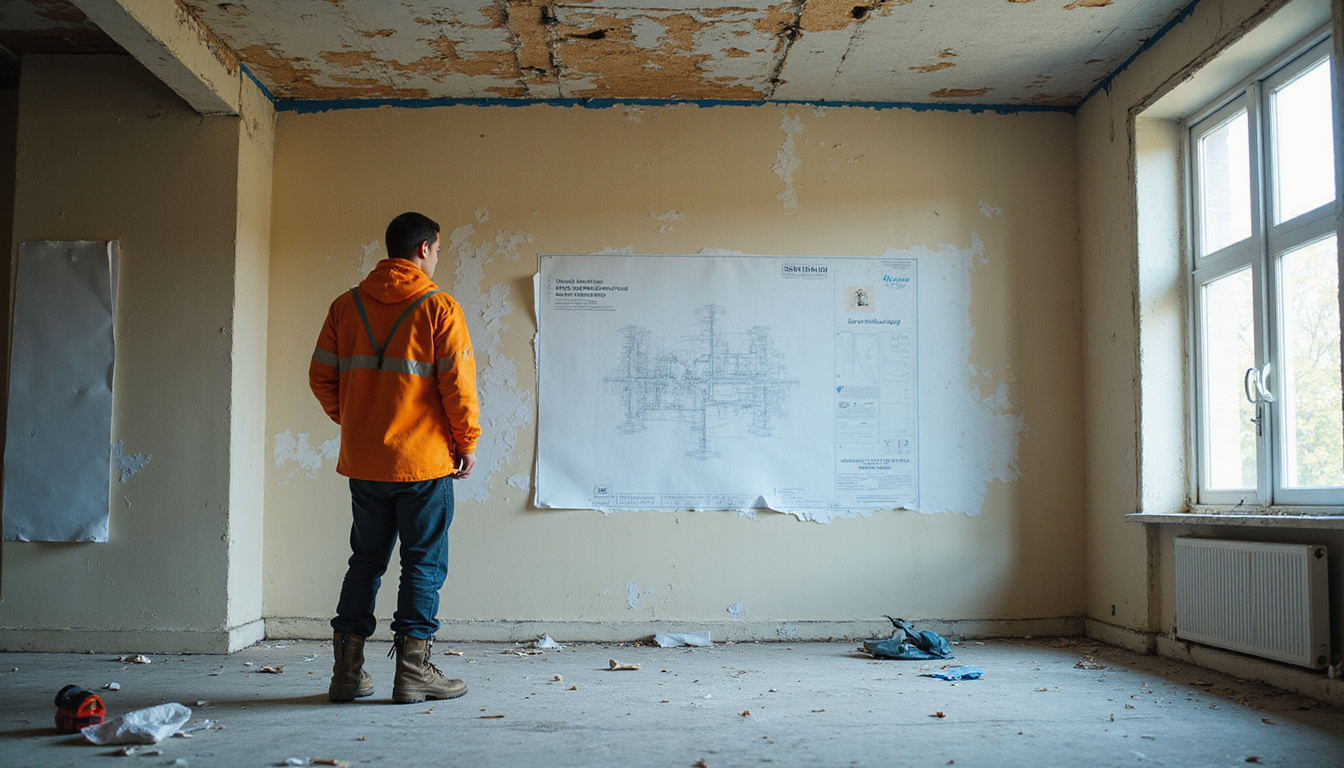
When Should You Arrange Asbestos Testing?
You should consider asbestos testing in the following situations:
- Before any major renovation or demolition in homes or buildings built before the late 1990s.
- Before disturbing old flooring, ceilings, or walls, especially if you suspect older materials are still in place under newer finishes.
- If materials are damaged or deteriorating, such as crumbling pipe insulation or cracked asbestos cement sheets.
- During real estate transactions, particularly for older properties, to provide buyers and sellers with accurate information.
- After unforeseen damage, such as a fire, flood, or structural impact that breaks older materials.
If you’re unsure, a quick consultation with a local asbestos professional can help you decide whether testing is necessary.
Why DIY Asbestos Testing Kits Aren’t Your Best Option
Hardware stores and online retailers sometimes offer DIY asbestos testing kits. While they might seem convenient and cheap, there are several concerns:
- Safety – Untrained homeowners may release fibers into the air while taking samples.
- Quality control – Not all kits use accredited laboratories or recognized methods.
- Incomplete assessments – Homeowners might miss key locations or materials.
- Regulatory acceptance – For compliance purposes, insurers, municipalities, or contractors may only accept results from licensed professionals.
Professional asbestos testing offers the benefits of safety, reliability, and proper documentation—especially important if you’re planning significant work or dealing with potential liability issues.
What Happens If Asbestos Is Found?
Finding asbestos does not automatically mean your project is canceled. It means you can move forward safely and legally.
Management vs. Removal
Depending on the condition of the material and your renovation plans, you and your asbestos professional may choose to:
-
Manage in place:
- Encapsulate (seal) the material with specialized coatings.
- Enclose it behind barriers (e.g., new drywall, panels).
- Monitor for damage over time if it won’t be disturbed.
-
Remove (abatement):
- Required if renovation work will disturb the material.
- Must be done by licensed asbestos abatement contractors in most jurisdictions.
- Includes proper containment, filtration, and disposal methods.
Safe Asbestos Abatement
Professional abatement includes:
- Sealing off the work area with plastic sheeting and negative air pressure machines.
- Workers wearing full PPE and respirators.
- Wet methods to minimize dust during removal.
- Double-bagging and labeling asbestos waste for transport to approved disposal facilities.
- Final cleaning and clearance testing to ensure the area is safe to reoccupy.
The cost of abatement varies widely, depending on the material type, amount, and access—but it is nearly always cheaper and safer than dealing with a contamination incident after the fact.
How to Choose a Qualified Asbestos Testing Professional
When selecting a company for asbestos testing, look for:
- Proper licensing and certifications in your state or region.
- Accredited laboratory partnerships (e.g., NVLAP or AIHA in the U.S.).
- Experience with residential projects similar to yours.
- Clear, written reports in plain language, not just technical jargon.
- Good reviews or references from past clients.
Ask them:
- What types of materials will you test based on my project?
- How long will it take to receive lab results?
- What happens if asbestos is found—can you refer me to reputable abatement contractors?
A reputable professional will welcome your questions and provide transparent information about scope, fees, and timelines.
Simple Steps to Protect Your Family and Your Budget
To reduce risk and avoid costly surprises:
- Know your home’s age and history. If it’s pre-2000, treat suspect materials cautiously.
- Don’t disturb unknown materials. Avoid sanding, drilling, or demo until you know what you’re dealing with.
- Schedule asbestos testing early. Make it part of your pre-renovation planning, not an afterthought.
- Budget for potential abatement. Especially in older homes, allow room in your renovation budget.
- Keep records. Store your asbestos inspection and testing reports with your home documents for future reference and resale.
FAQ: Asbestos Testing and Home Safety
1. How much does professional asbestos testing cost?
Asbestos testing cost varies by region and project size. A simple residential inspection with a few samples might range from a couple of hundred dollars upward, while large properties or complex projects cost more. The most expensive scenario, however, is discovering asbestos mid-renovation without planning—leading to emergency shutdowns and unplanned abatement.
2. Can I live in my home during asbestos inspection and removal?
During basic asbestos inspection and testing, you can usually remain in the home with minimal disruption. If asbestos removal is required, abatement contractors often seal off specific work areas. For major projects, you may need to vacate part or all of the home temporarily. Your asbestos professional can explain what’s appropriate based on the scope of work.
3. Do all older homes need an asbestos inspection?
Not every older home needs a full, top-to-bottom asbestos inspection right away. However, if you plan to remove walls, ceilings, floors, or insulation—or do any demolition—targeted asbestos inspection and testing of those areas is strongly recommended. This focused approach balances safety, cost, and practicality.
Take Control of Your Renovation with Safe Asbestos Testing
Renovating an older home can be exciting, but hidden asbestos can quickly turn your dream project into a health scare and a financial setback if it’s not handled correctly. By scheduling professional asbestos testing before you start, you gain:
- Clarity about what materials are in your home
- Confidence that your renovation plans are safe and compliant
- Protection for your family’s long-term health
- Lower risk of surprise costs, project delays, and legal issues
If you’re planning work on an older property—or just want peace of mind—reach out to a qualified local asbestos testing professional today. A small investment in proper testing now can save you from major headaches later and ensure your renovation improves your home without compromising your family’s safety.