

Final Inspection Checklist: Avoid Costly Mistakes Before Handover
A thorough final inspection is your last line of defense against costly mistakes, hidden defects, and stressful disputes at handover. Whether you’re completing a new build, a renovation, or buying a finished property, the final inspection stage is where you confirm that the work matches the plans, specifications, and promises you paid for. Done properly, it protects your budget, your safety, and your long-term peace of mind.

This guide walks you through a practical final inspection checklist, explains what to look for in every major area of the property, and highlights common pitfalls so you can approach handover with confidence.
What Is a Final Inspection and Why It Matters
A final inspection is a detailed walkthrough of a property just before practical completion or handover. It’s your opportunity to:
- Confirm that work is complete and in line with the contract, plans, and building codes
- Identify defects, incomplete works, or items not up to standard
- Compile a defects or punch list that the builder or contractor must fix
- Verify that systems and finishes are functioning and safe
Once you sign off at handover and release final payments, your leverage drops significantly. That’s why a meticulous final inspection is essential: it allows you to catch and document issues while you still have contractual and financial leverage.
Building standards and consumer protection laws vary by region, but many authorities stress the importance of inspections to ensure compliance and safety (for example, the International Code Council outlines extensive requirements for construction standards and inspections – source).
When to Schedule Your Final Inspection
Timing is critical. You want your final inspection to happen when:
- All major construction work is complete
- Fixtures, fittings, and appliances are installed
- Painting, tiling, flooring, and cabinetry are finished
- Services (water, power, gas, HVAC) are connected and operational
- The site is cleaned so defects are visible
Avoid doing the final inspection while trades are still actively working on multiple unfinished tasks. You need a clear, settled view of the final product, not a work-in-progress snapshot.
If possible, conduct the final inspection in good natural light, and allow at least 1.5–3 hours depending on the size and complexity of the home.
Preparing for Your Final Inspection
Before you step on-site, set yourself up for success:
Bring the right documents
- Signed building contract
- Approved plans and elevations
- Specifications and inclusions list
- Variation orders
- Product brochures or cut sheets for key fixtures
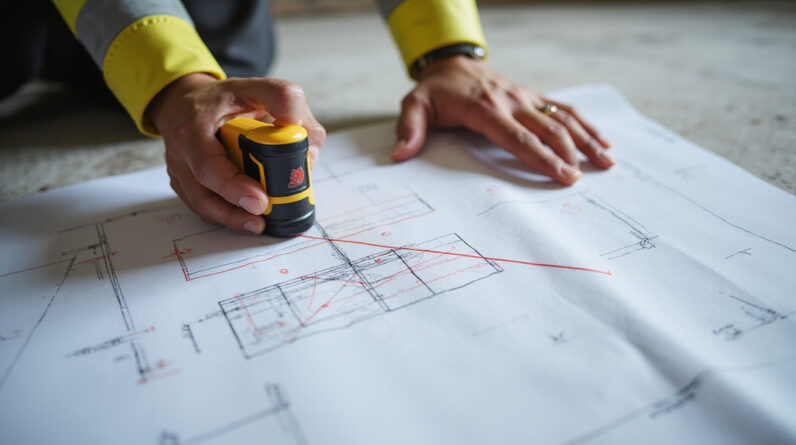
Gather basic tools
- Phone or camera (for photos and videos)
- Notebook or digital notes app
- Spirit level or small level
- Measuring tape
- Small flashlight
- Phone charger (to test power points and keep your own phone alive)
Clarify the process
Ask your builder, contractor, or agent:
- Who will attend the final inspection?
- How will defects be documented (paper form, app, email)?
- What is the timeframe for fixing items on the list?
- When is the official handover date?
Having this clarity keeps the final inspection focused and reduces future disputes.
Room‑by‑Room Final Inspection Checklist
Use this structured checklist during your final inspection to ensure you don’t miss critical areas.
1. Exterior and Site
Start outside and work your way in.
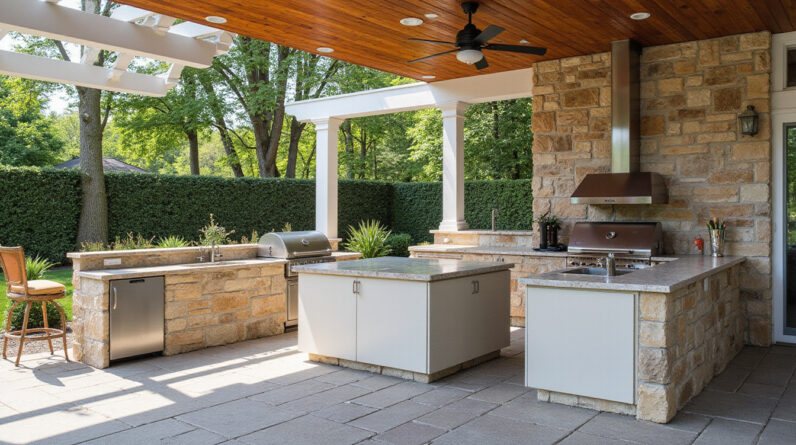
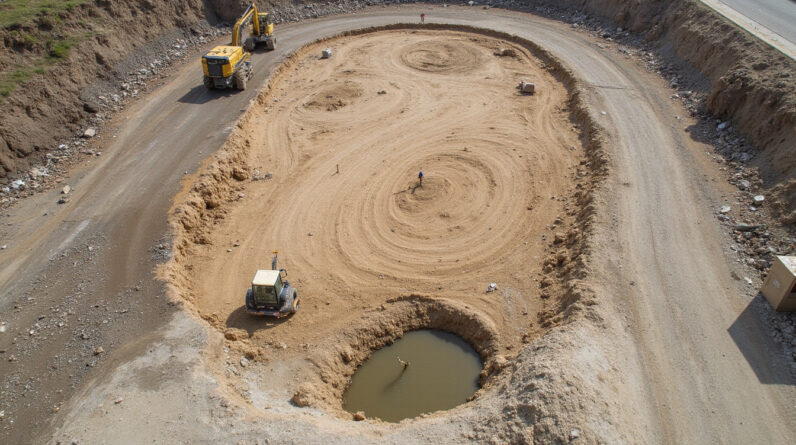
- Site drainage and grading – Ensure water flows away from the building, not toward foundations.
- Driveways, paths, and paving – Look for cracks, ponding water, trip hazards, rough edges.
- External walls and cladding – Check for damage, gaps, poor sealing around windows and doors.
- Roof and gutters – From ground level, look for loose tiles, poor alignments, sagging gutters, missing downpipes.
- Windows and doors – Open and close several times; ensure they seal properly and locks work.
- Balconies and decks – Confirm handrails are solid, surfaces drain properly, no wobble or flex.
2. Entry and Hallways
These high-traffic spaces must be robust and well-finished.
- Doors – Check for smooth operation, consistent gaps, working latches, and aligned locks.
- Flooring – Look for scratches, chips, lippage in tiles, or squeaks in timber.
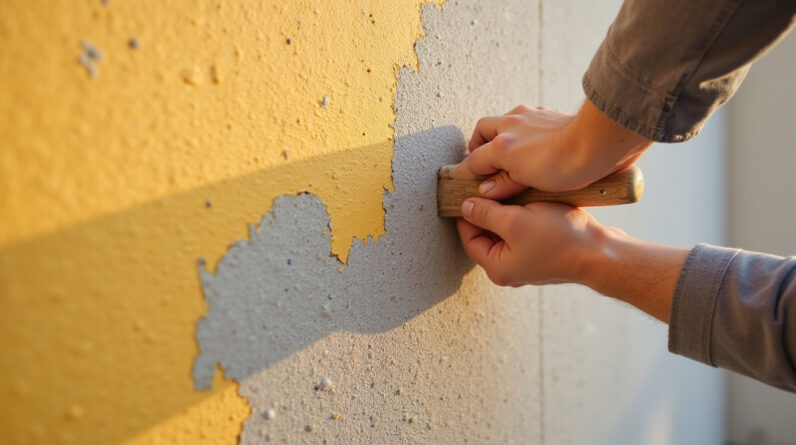
- Walls and ceilings – Check for cracks, obvious patches, paint runs, or inconsistent color.
- Lighting – Test every switch and light fitting; confirm dimmers function smoothly and without flicker.
3. Living and Dining Areas
Comfort and aesthetics are key here.
- Floor levels – Use a level if needed; slopes or uneven transitions can indicate poor workmanship.
- Skirting boards and trims – Inspect joins, miters, caulking, and paint coverage.
- Power outlets and data points – Confirm locations match your plans and all outlets are secure and working.
- Heating and cooling vents – Check placement, that grills are secure, and air is flowing as expected.
4. Kitchen
The kitchen is complex and prone to defects. Take your time.

Cabinetry and benchtops
- Doors and drawers open smoothly, align evenly, and soft-close (if specified).
- Benchtops are level with no chips, cracks, or visible joins beyond normal tolerance.
- Clearances around appliances are correct and doors can open fully.
Plumbing and appliances
- Test hot and cold water; check for leaks under the sink.
- Run the dishwasher through at least a quick cycle, looking for leaks and proper drainage.
- Turn on stove burners and oven; confirm they heat up and controls work correctly.
- Test range hood fan and lights; ensure air is vented as promised (external vent vs recirculating).
Finishes and details
- Tile grout is consistent and sealed where necessary.
- Silicone sealing along benchtops and splashbacks is neat and continuous.
- Power outlets near sinks are correctly located and have appropriate protection (e.g., GFCI/RCD, where required).
5. Bathrooms, Ensuites, and Laundry
Waterproofing and drainage are critical to avoid long-term damage.
- Shower areas – Floors should slope to the drain; no pooling water after running the shower.
- Taps and mixers – Check all for leaks, correct orientation (hot on the left), and stable mounting.
- Toilets – Flush repeatedly, ensure they refill properly and are firmly anchored with no rocking.
- Baths and basins – Plug and fill partially, then release to check drainage and under-cabinet leaks.
- Waterproofing – Look for visible gaps in sealant, especially at corners and around penetrations.
- Tiles – Inspect for cracks, hollow sounds (tapping lightly can reveal poor adhesion), uneven grout lines.
- Ventilation – Test exhaust fans; hold a tissue to see if suction is adequate.
6. Bedrooms
Comfort and storage are primary, but still inspect thoroughly.
- Doors and windows – Confirm smooth operation and functioning locks for security.
- Wardrobes/closets – Check shelves and hanging rails are level and securely fixed.
- Flooring – Inspect carpet joins and edges; ensure no visible ripples, fraying, or stains.
- Sound and privacy – Close doors and listen for excessive noise from adjacent spaces; note any obvious issues.
7. Electrical and Lighting
During the final inspection, systematically test:
- All light switches and power outlets
- Smoke alarms and carbon monoxide detectors (where applicable)
- Ceiling fans (all speeds)
- Outdoor lighting and garage lighting
- Doorbells, intercoms, and security systems (as per contract)
Confirm that the electrical layout matches your plan and that any specialty circuits (for EV chargers, spas, or high-load appliances) are present.
8. Heating, Cooling, and Ventilation
These systems are expensive to modify after handover.
- Turn on the HVAC system and cycle through modes (heating, cooling, fan).
- Check airflow in different rooms; some imbalance is normal, but large discrepancies may indicate duct issues.
- Verify thermostats are in logical, accessible locations.
- Inspect return air grills and filters for correct installation.
9. Garage, Storage, and Exterior Structures
Don’t forget “secondary” spaces during your final inspection.
- Garage door – Test automatic open/close, safety reversal, and manual release.
- Storage and sheds – Ensure doors align and locks work; check for water leaks or dampness.
- Fences and gates – Confirm they are straight, secure, and aligned with property boundaries per your contract.
- Outdoor taps and irrigation – Turn on each tap; test irrigation zones, check for leaks or misaligned sprinklers.
Common Final Inspection Mistakes to Avoid
Even diligent owners can miss important details. Watch out for these common errors:
-
Rushing the inspection
Accept the time investment. A quick 30-minute look is rarely sufficient. -
Letting the builder “lead” too much
Walk at your own pace, follow your checklist, and don’t be distracted by commentary. -
Focusing only on cosmetics
Paint and finishes matter, but functional issues (drainage, doors, windows, services) can be more costly long term. -
Not testing everything
Open every window, run every tap, switch every light; don’t assume anything works. -
Failing to document defects clearly
Take clear photos and videos, and note the exact location and nature of each issue. Vague statements like “bathroom problem” cause disputes later. -
Skipping professional help when needed
On large or complex projects, consider hiring an independent building inspector or surveyor to join your final inspection and provide a written report.
How to Record and Manage Defects After Final Inspection
A good defect list (often called a punch list) is specific, visual, and agreed upon.
During or immediately after your final inspection:
- Number each defect item
- Describe the location (e.g., “Bedroom 2, north wall, near window”)
- Describe the issue (e.g., “Hairline crack in plaster, approx. 30 cm”)
- Attach photos where possible
- Share the list formally (email or builder’s portal) and request acknowledgment
Clarify response expectations:
- Which items will be fixed before handover
- Which may be addressed during the defects or warranty period
- Timeframes for completion
- How you’ll confirm when items are resolved (e.g., follow‑up inspection or photo evidence)
Keep all correspondence in writing to create a clear record.
Final Inspection Checklist Summary
Use this condensed list on inspection day as a quick guide:
- Exterior and site: drainage, paths, walls, roof, gutters, windows/doors
- Entry and internal circulation: doors, flooring, walls, ceilings, lighting
- Living and dining: levels, trims, outlets, HVAC vents
- Kitchen: cabinetry, benchtops, appliances, plumbing, finishes
- Bathrooms and laundry: waterproofing, drainage, taps, toilets, tiles, ventilation
- Bedrooms: doors, windows, wardrobes, flooring
- Electrical: outlets, switches, lights, alarms, fans, systems
- Mechanical: heating, cooling, ventilation
- Garage and external: doors, storage, fences, taps, irrigation
Print or save your own variant and tick items off as you go.
FAQs About Final Inspections and Handover
1. How long does a final inspection before handover usually take?
For a typical single-family home, a thorough final inspection usually takes between 1.5 and 3 hours. Larger or more complex properties can require half a day or more, especially if you’re working with an independent inspector.
2. Should I hire a professional inspector for my final home inspection?
While not mandatory, a professional inspector can add significant value, particularly for first-time builders or buyers, complex designs, or if you’re unsure about construction quality. They know how to spot subtle issues that non‑experts often overlook.
3. What if I find defects after the final inspection and handover?
Most building contracts include a defects liability or warranty period during which the builder must rectify issues that emerge. Document problems as soon as you notice them, photograph them, and notify the builder in writing, referencing the relevant warranty or contract clauses.
A careful final inspection is your best opportunity to ensure your new or renovated property is safe, functional, and finished to the standard you paid for. Walking through with a structured checklist, documenting every concern, and insisting on clear commitments for rectification can save you thousands of dollars and years of frustration.
If you’re approaching practical completion or settlement, set a firm date for your final inspection, gather your documents, and use this guide as your roadmap. And if the project is significant or you’re unsure what you’re seeing, consider engaging an independent inspector to stand beside you. Protect your investment now, so you can enjoy your home with confidence for years to come.