

Stepping into the role of an owner builder is exciting—and a little intimidating. You’re taking control of your project, your budget, and your vision. But with that control comes risk: missteps in planning, permits, contracts, or scheduling can cost thousands of dollars and months of delay. This playbook walks you through the critical decisions and systems you need so you can avoid the most common mistakes and build with confidence.

What Is an Owner Builder—and Is It Right for You?
An owner builder is a property owner who takes on the role usually filled by a general contractor. Instead of hiring a single builder to manage everything, you:
- Directly contract with trades (plumbers, electricians, framers, etc.)
- Coordinate schedules and inspections
- Manage budget, changes, and quality control
Pros of Being an Owner Builder
- Cost savings: You’re not paying a general contractor’s overhead and profit margin.
- Control: Total say over materials, trades, and finishes.
- Transparency: You see every quote, invoice, and change order.
- Learning experience: You gain deep knowledge of your home and systems.
Cons and Risks
- Time commitment: It’s essentially a part-time or even full-time job.
- Liability: You can be responsible for safety, code compliance, and defects.
- Learning curve: Mistakes are common (and often expensive).
- Financing hurdles: Some lenders are cautious with owner builder projects.
If you have strong organizational skills, realistic expectations, and time to be involved, the owner builder path can be very rewarding. If not, it may be better to hire a general contractor or at least a construction manager.
Phase 1: Plan Like a Pro Before You Break Ground
The biggest owner builder mistakes happen before the first shovel hits the dirt. Good planning is your best insurance policy.
Get Detailed, Buildable Plans
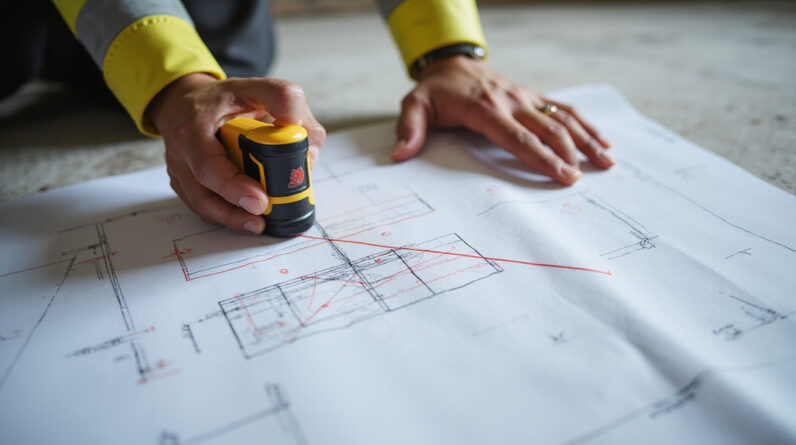
Vague or incomplete plans are a direct path to change orders and disputes. Work with a qualified designer or architect to produce:
- Fully dimensioned floor plans and elevations
- Structural details (beams, footings, framing schedules)
- Electrical and lighting layouts
- Plumbing layouts and fixture schedules
- Exterior details (roof pitches, cladding, flashing)
Ask your designer to think like a builder: “Is every detail here buildable and code-compliant?”
Build a Realistic Budget—Then Add a Contingency
Many first-time owner builders underestimate costs by 10–30%. Build your budget from the bottom up:
- Site work and excavation
- Foundation and slab
- Framing and roof
- Windows and exterior doors
- Exterior cladding and roofing
- Rough-in (plumbing, electrical, HVAC)
- Insulation and drywall
- Interior finishes (flooring, cabinets, counters, paint)
- Fixtures and appliances
- Permits, fees, engineering, testing
- Temporary power, fencing, toilets, dumpsters
Then add:
- 10–15% contingency for new builds in stable markets
- 15–20% contingency for renovations or complex sites
Track your budget in a simple spreadsheet and update it whenever you receive new quotes.
Phase 2: Navigate Permits, Codes, and Insurance
Skipping or mishandling the legal and safety side can halt your build and create liability that follows you for years.
Understand Local Owner Builder Rules
Building regulations vary widely. Some jurisdictions:
- Require an owner builder license or short course
- Place value/size limits on owner builder projects
- Restrict you from building for resale within a certain time
- Still hold you responsible for defects for many years
Check with your local building department and state or provincial licensing board for owner builder requirements in your area (source: U.S. HUD Building Regulations Overview).
Permits and Inspections
Common permits and approvals:
- Building permit (core approval)
- Plumbing/mechanical/electrical permits
- Septic or sewer connection approvals
- Driveway and utility connection permits
- Zoning or design review (where applicable)
Create a permit and inspection checklist so you know:
- Which inspections are required
- In what sequence
- Who must be present
- How much notice the inspector needs
Missing an inspection can mean ripping out completed work.
Protect Yourself with the Right Insurance
As an owner builder, you may need:
- Builder’s risk insurance: Covers damage to the structure during construction.
- General liability coverage: Protects against injury or property damage claims.
- Workers’ compensation: Often required if you directly hire workers, even short-term.
Discuss your plans with an insurance agent who understands construction coverage in your region.
Phase 3: Hire the Right Trades and Suppliers
Your build will only be as good as the professionals you bring onto the site.
How to Vet Trades as an Owner Builder
Don’t just go with the cheapest quote. Instead, evaluate:
- Licensing and insurance status
- Years in business and relevant project experience
- References from recent clients
- Willingness to work with an owner builder
- Communication style and responsiveness
Ask questions like:
- “What do you need from me to keep your crew efficient?”
- “What common issues do you see on owner builder projects?”
- “How do you handle extras or unexpected problems?”
Get Comparable, Written Quotes
To avoid “apples to oranges” quotes:
- Provide the same drawings and specifications to all bidders.
- Clearly define what’s included (e.g., fixtures, materials, cleanup).
- Ask for labor and materials to be separated, where possible.
Clarify exclusions. If one electrician excludes trenching and the other includes it, adjust for a fair comparison.
Contracts and Payments: Avoid the Classic Money Traps
One of the most dangerous areas for any owner builder is how they pay for work.
Use Simple but Clear Written Agreements
At minimum, each trade contract should specify:
- Scope of work in plain language
- Drawings and specs the quote is based on
- Start and completion targets
- Payment schedule tied to milestones, not dates
- Warranty terms
- How variations (extras) are approved and priced
Use email to document clarifications, and save everything in an organized folder.
Smart Payment Practices
- Never pay large deposits to unknown trades.
- Link payments to clear milestones (e.g., “framing complete and inspected”).
- Hold a small retention (e.g., 5–10%) until final completion.
- Get lien releases or waivers with each major payment where applicable.
Overpaying early removes your leverage if work slows or quality drops.
Scheduling and Coordination: The Hidden Job of an Owner Builder
Even with good trades, a poor schedule can wreck your budget and timeline.
Build a Simple Master Schedule
You don’t need sophisticated software, but you do need clarity. Lay out:
- Start and end dates for each trade
- Key dependencies (e.g., drywall after inspections; flooring after drywall)
- Lead times for windows, custom doors, cabinets, and specialty items
Use a spreadsheet or simple project management app and review it weekly.
Coordinate Trades to Avoid Downtime and Conflicts
Common pitfalls:
- Calling trades too late, so they’re booked out for weeks
- Overlapping trades in the same space (e.g., painter vs. electrician)
- Forgetting to order materials until the last minute
Mitigation strategies:
- Confirm dates with trades at least two weeks ahead.
- Send short weekly updates to your active trades.
- Order long-lead items early, after careful double-checking of sizes and specs.
Quality Control: Build It Right the First Time
As an owner builder, you’re also the quality manager.
Learn the Basics of Construction Standards
You don’t need to be an expert, but you should:
- Understand how walls, roofs, and foundations are supposed to handle moisture.
- Know typical tolerances for framing, tile, and drywall.
- Read relevant sections of your building code or a homeowner-friendly guide.
Take photos at each stage (especially before drywall) so you have a visual record of what’s inside your walls and ceilings.

Use Inspections to Your Advantage
City inspections are a minimum safeguard, not a full quality check. Consider:
- Hiring a third-party inspector at key stages (foundation, framing, pre-drywall, final).
- Walking through with each trade at completion to create a short punch list.
Document defects and agreements to fix them in writing.
Common Owner Builder Mistakes to Avoid
Here are some of the most frequent and costly pitfalls:
-
Starting without a complete design
Leads to constant changes, cost overruns, and delays. -
Underestimating time and stress
Being an owner builder can affect your work and family life; plan accordingly. -
Skipping due diligence on trades
Poorly vetted contractors are the source of many horror stories. -
Paying too much up front
Risky if the trade walks off, gets behind, or does substandard work. -
Ignoring contingency and “invisible” costs
Site issues, engineering changes, and utility fees add up. -
Not documenting changes
Verbal agreements lead to disputes; always confirm in writing. -
Failing to plan for weather and seasons
Foundation and exterior work are especially sensitive to climate.
Owner Builder Checklist: Your At-a-Glance Roadmap
Use this list as a starting framework:
- [ ] Research local owner builder laws and requirements
- [ ] Engage designer/architect and finalize buildable plans
- [ ] Prepare detailed budget + 10–20% contingency
- [ ] Obtain all required permits and approvals
- [ ] Arrange builder’s risk, liability, and workers’ comp (if needed)
- [ ] Build a preliminary schedule with major milestones
- [ ] Shortlist and vet key trades (site, foundation, framing, MEPs, finishes)
- [ ] Get written quotes based on the same plans/specs
- [ ] Draft simple written agreements with scope and payment terms
- [ ] Order long-lead items early (windows, doors, cabinets, special fixtures)
- [ ] Track costs, schedule, and changes weekly
- [ ] Photograph and document each construction stage
- [ ] Arrange inspections (city and optional third-party)
- [ ] Complete final punch list and collect warranties/manuals
FAQs About Being an Owner Builder
What does an owner builder need to get started?
You’ll need clear plans, a realistic budget with contingency, and a solid understanding of local building regulations. Most regions also require building permits and, in some cases, specific owner builder registrations or courses. Beyond paperwork, you need time, organizational skills, and the willingness to regularly visit the site and coordinate trades.
Is the owner builder model always cheaper than hiring a builder?
Not always. An experienced general contractor may secure better trade pricing, avoid costly errors, and deliver faster. As an owner builder, you can save the builder’s margin if you manage the project efficiently—but mistakes, delays, and rework can erase that advantage. Your savings largely depend on how well you plan and manage the build.
Can an owner builder hire a construction manager or consultant?
Yes, many owner builders hire a construction manager, building consultant, or independent inspector to guide them. This hybrid approach preserves your control and potential cost savings while giving you professional support for scheduling, contract review, quality control, and dealing with problems before they become expensive.
Build Confidently: Take the Next Step as an Owner Builder
Taking on a project as an owner builder can be one of the most rewarding projects of your life—but only if you respect the complexity of the job and prepare accordingly. With clear plans, solid contracts, realistic budgeting, and disciplined scheduling and quality control, you can avoid the costly mistakes that derail many DIY-managed builds.
If you’re serious about building confidently, start now: assemble your plans, talk to your local building department, and outline your budget and schedule. From there, you can decide whether to go fully owner builder or bring in targeted professional help. The sooner you put a clear playbook in place, the smoother—and more satisfying—your build will be.