


Interior Architecture Secrets That Transform Small Spaces Into Magazine-Worthy Homes
Walk into any stunning small apartment in a design magazine and you’ll notice something right away: it isn’t just decorated, it’s designed. That difference is the power of interior architecture—the art of shaping space itself, not just choosing furniture and colors. When applied thoughtfully, interior architecture can make even the tiniest studio feel expansive, luxurious, and tailored to your life.

Below are the insider strategies designers use behind the scenes to turn constrained floor plans into photogenic, highly functional homes.
Interior Architecture vs. Interior Design: Why It Matters in Small Spaces
Before diving into specific tricks, it helps to understand what interior architecture actually is.
- Interior architecture focuses on the structure, layout, and built-in elements of a space: walls, openings, ceiling heights, storage volumes, circulation paths, and how light moves through the home.
- Interior design focuses on furnishings, textiles, decor, and surface-level finishes.
In a compact home, you don’t have the luxury of wasting even a few square feet. That’s why thinking architecturally—how walls, built-ins, and circulation work—is essential. It’s the difference between a cramped shoebox and a jewel-box apartment.
Start With the Bones: Rethinking Layout and Flow
Magazines rarely show the “before” floor plan—but that’s where the biggest transformations begin.
1. Remove or Rethink Non-Structural Walls
Many older apartments and small homes are chopped into tiny rooms. When structurally possible (always consult a professional), selectively removing or shortening walls can:
- Connect kitchen and living spaces
- Create visual depth across the entire length of the home
- Allow natural light to reach formerly dark corners
Even partial height walls or wide door openings can give the impression of a more open, airy plan.
2. Clarify Zones, Even in One Room
Open space doesn’t mean “one undefined blob.” Good interior architecture creates clear zones without necessarily adding walls:
- Use changes in ceiling height or dropped beams to mark transitions.
- Introduce partial dividers (slatted screens, glass partitions) that filter views without closing things off.
- Employ built-in elements—like a low cabinet or banquette—as subtle separators between living, dining, and work zones.
When your home has legible zones, it photographs and feels more like a curated magazine spread.
Vertical Thinking: Using Height Like a Pro
If you can’t go wider, go higher. Designers constantly exploit vertical space to make small homes feel grand.
Emphasize Ceiling Height
- Run curtains and drapes from ceiling to floor, even if the window is smaller.
- Choose tall, narrow shelving or bookcases that draw the eye upward.
- Paint the ceiling a lighter shade than the walls to visually “lift” it.
Even standard 8-foot ceilings can feel taller when you align vertical elements and reduce visual clutter near the top of the room.
Build Up, Not Out
Interior architecture thrives on built-ins that climb the walls:
- Full-height closets and storage walls
- Over-door shelving for seldom-used items
- Lofted sleeping platforms with storage or a desk beneath
By integrating these into the architecture, you avoid the “furniture crowding” that makes many small spaces feel chaotic.
Built-Ins: The Secret Weapon of Small-Space Luxury
If there’s one hallmark of magazine-worthy small homes, it’s this: they rely heavily on tailored built-in solutions rather than freestanding furniture.
Custom Storage Walls
Instead of mismatched wardrobes and dressers:
- Design a single wall of floor-to-ceiling cabinetry.
- Mix closed doors (for clutter) with a few open niches (for display).
- Integrate lighting inside or under cabinets for a high-end feel.
This consolidates storage, simplifies the visual field, and often adds more capacity than several separate pieces.
Multi-Functional Built-In Pieces
Great interior architecture squeezes multiple uses from one element:
- A banquette bench with storage drawers below
- A window seat with hidden compartments
- A headboard wall with integrated shelves and reading lights
- A kitchen island that doubles as a dining table and workspace
These elements feel intentional and permanent—exactly what you see in professionally designed interiors.
Light and Transparency: Designing With Glass and Reflection
Proper use of light is one of the most transformative interior architecture tools, especially in smaller homes.
Maximize Natural Light Paths
- Avoid blocking windows with tall furniture.
- Use partial or glass partitions in place of solid walls near windows.
- Choose interior doors with glass panels to let light flow deeper into the space.
Thoughtful alignment of sightlines and openings ensures light reaches as much of the floor plan as possible.
Strategic Use of Mirrors and Gloss
When used architecturally (rather than as an afterthought), reflective elements amplify space:
- Mirror an entire closet door or a full wall opposite a window.
- Use high-gloss lacquer on cabinet fronts or ceiling panels in dark corridors.
- Add mirrored or glass backs in shelving to give depth to shallow niches.
Done well, these techniques double perceived space without adding a single square foot.
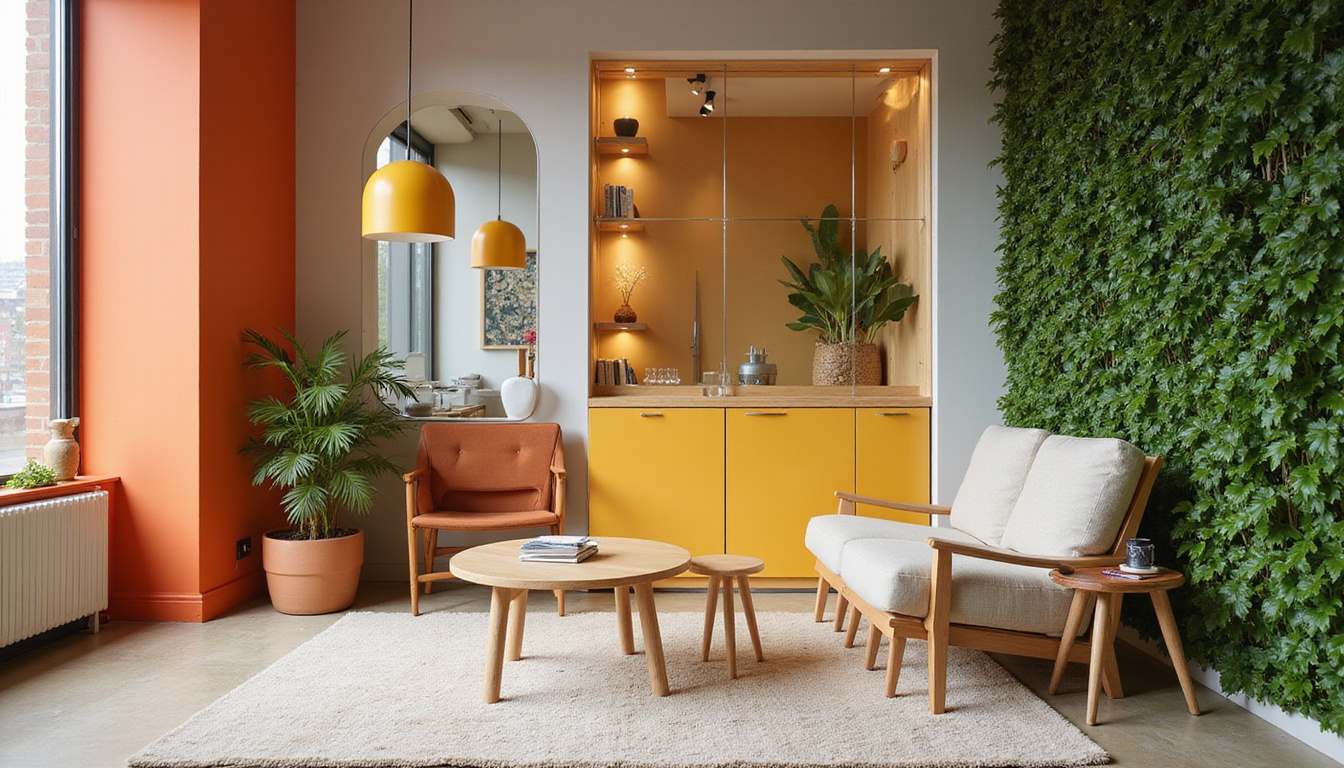
Color, Materials, and Surfaces: Subtle Moves, Big Impact
Material and color choices are where interior architecture meets interior design. In small homes, they can make or break the illusion of spaciousness.
A Coherent, Continuous Palette
Magazine-ready small spaces rarely jump between clashing colors. Instead:
- Use a limited, cohesive palette across rooms.
- Keep large surfaces (floors, built-ins, major furniture) in related tones.
- Reserve bold color for smaller accents or a single feature wall.
Continuity in color and material helps spaces flow into one another, making them feel larger and calmer.
Light, Texture, and Scale
- Prefer lighter tones for walls and large built-ins; darker accents can ground the space at floor level.
- Add texture (wood grain, woven fabrics, plaster finishes) to avoid a sterile, boxy look.
- Use larger-format tiles or planks; excessive joints and busy patterns can visually shrink a room.
Think of surfaces as the “skin” of your interior architecture—unifying everything into one harmonious envelope.
Furniture Placement as an Architectural Decision
Even movable pieces should follow the logic set by the architecture.
Float, Don’t Cram
Pushing everything against the walls can actually make a small space feel smaller. Instead:
- Float a compact sofa with space behind it and add a narrow console.
- Use a rug to define the seating zone in the center of a room.
- Leave comfortable circulation paths (ideally 30–36 inches) around key pieces.
This approach respects natural movement through the space, just as an architect plans circulation in a larger building.
Scale and Proportion
- Choose fewer, slightly larger pieces instead of many small ones that create visual noise.
- Opt for armless or low-profile seating to maintain sightlines.
- Use glass or leggy furniture (instead of bulky bases) where you want the eye to pass through.
Proportion is a core interior architecture principle; the furniture should feel in balance with the room’s dimensions and ceiling height.
Five High-Impact Moves to Make a Small Home Look “Magazine”
Here’s a quick checklist of architectural tweaks that deliver outsized transformation:
-
Open a wall or widen a doorway
Even a 6–12 inch increase in an opening can dramatically change how rooms relate. -
Install a full-height storage wall
Replace multiple small storage pieces with one integrated, custom solution. -
Create one “wow” feature
A paneled headboard wall, arched doorway, or dramatic built-in bookcase gives your home a focal point worthy of a photoshoot. -
Upgrade lighting architecture
Replace a single overhead fixture with layered lighting: recessed spots, wall sconces, under-cabinet lighting, and dimmers. -
Unify flooring throughout
Using the same flooring material in as many rooms as possible visually expands the space and reduces choppy transitions.
When to Call in a Pro
Some changes—like paint and furniture placement—you can tackle yourself. But for structural changes, custom built-ins, and complex lighting, an architect or interior architect can help you:
- Determine which walls are load-bearing and what can be altered safely
- Integrate building codes, ventilation, and waterproofing in kitchens/baths
- Design cabinetry and millwork tailored to your exact needs and dimensions
- Coordinate trades so the final result is cohesive rather than piecemeal
Professionals trained in interior architecture bring both aesthetic judgment and technical know-how, saving costly mistakes down the line (American Institute of Architects – source).
FAQ: Interior Architecture for Small, Stylish Homes
Q1: What is interior architecture in home design, and how is it different from decor?
Interior architecture in home design focuses on the permanent or semi-permanent aspects of your space—walls, partitions, built-ins, circulation, window openings, and how light is used. Decor comes afterward and includes furniture, textiles, art, and accessories. In small homes, interior architecture decisions determine whether the layout feels spacious and functional before you ever bring in a sofa or rug.
Q2: How can interior architecture make a studio apartment feel like a “real” home?
Thoughtful interior architecture can turn a studio into a multi-room experience by adding defined zones, partial partitions, storage walls, and clever sightlines. Elements like a sleeping alcove, a built-in wardrobe that doubles as a room divider, and tall storage integrated around doors can give a studio the feel of a one-bedroom without adding square footage.
Q3: Are interior architectural changes always expensive in small spaces?
Not necessarily. While structural changes can be costly, many impactful interior architecture strategies are relatively modest: widening doorways, adding a built-in bench with storage, installing full-height wardrobes, improving lighting layout, or adding a glass partition. Because small spaces involve fewer materials, the per-square-foot impact of each improvement is often higher than in a large home.
Thoughtful interior architecture is the quiet magic behind every small yet spectacular home you’ve admired in magazines or online. By rethinking layout, embracing vertical space, investing in tailored built-ins, and orchestrating light and materials, you can transform even the most compact floor plan into a refined, functional sanctuary.
If you’re ready to see what your space could really become, start by sketching your current layout and listing what doesn’t work—then reimagine it using the principles above. And if you want a result that truly rivals those editorial interiors, consider collaborating with an interior architect or designer who can translate your ideas into a cohesive, buildable plan. Your magazine-worthy home is already hidden in your walls; the right interior architecture will bring it to life.