

If your energy bills feel out of control but your thermostat settings haven’t changed, a blower door test may be the missing link. This simple diagnostic can expose hidden air leaks that quietly drain your wallet, make rooms uncomfortable, and overwork your heating and cooling systems. By finding and fixing these leaks, many homeowners cut energy use, improve comfort, and even boost indoor air quality.

What Is a Blower Door Test?
A blower door test is a professional diagnostic that measures how “leaky” your home is. A technician mounts a powerful fan into an exterior doorway, then uses it to lower or raise the air pressure inside your house relative to outdoors. That pressure difference forces outside air through cracks and gaps, revealing exactly where your building envelope is losing conditioned air.
Most tests follow this basic process:
- Close windows and exterior doors.
- Set interior doors open so airflow isn’t blocked.
- Install the blower door frame and fan in a main exterior door.
- Use the fan and a digital gauge (manometer) to pressurize or depressurize the house, usually to 50 Pascals.
- Measure total airflow needed to maintain that pressure (a direct indicator of leakage).
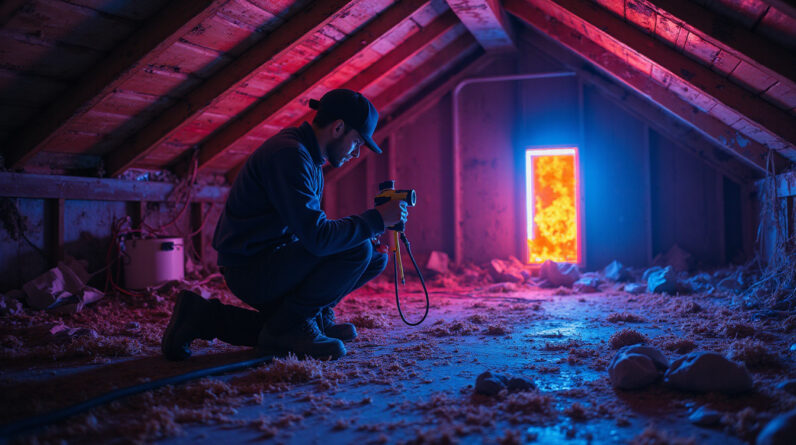
- Use tools like smoke pencils or infrared cameras to pinpoint specific leaks.
The result is both a numeric measure of how tight (or leaky) your home is and a map of the worst problem areas.
Why Air Leaks Matter More Than You Think
Air leaks aren’t just minor drafts; they compromise nearly every aspect of home performance.
1. Higher Energy Bills
Every crack that lets conditioned air out effectively forces your HVAC system to “heat or cool the outdoors.” That wasted effort shows up as higher utility bills:
- In winter, warm indoor air escapes and cold air infiltrates.
- In summer, cooled indoor air leaks out and hot, humid air sneaks in.
According to the U.S. Department of Energy, air leakage and poor insulation can account for 25–40% of the energy used for heating and cooling in an older home (source: energy.gov). A blower door test gives you a quantified picture of that hidden waste.
2. Reduced Comfort
Leaky homes often suffer from:
- Cold or hot spots in certain rooms
- Drafts near windows, doors, and baseboards
- Uneven temperatures between floors
Sealing leaks after a blower door test can even out temperatures and reduce uncomfortable drafts, making your home feel more consistent from room to room.
3. Indoor Air Quality and Moisture Problems
Uncontrolled air leaks don’t just move heat; they move moisture, dust, and pollutants:
- Moist outside air can drive condensation inside walls and attics.
- Pollutants from garages, crawlspaces, or attics can be pulled into living areas.
- Pollen and outdoor allergens can more easily enter the home.
By identifying and sealing the worst leakage points, you gain better control over what enters your home and how moisture moves through your building envelope.
How a Blower Door Test Exposes Hidden Air Leaks
You can feel big drafts around an old door, but most costly leaks are subtle and hidden. A blower door test turns those invisible problems into obvious targets.
Creating a Controlled Pressure Difference
The fan either depressurizes the house (most common) or pressurizes it:
- Depressurization: Air is sucked out of the house, pulling outside air in through leaks.
- Pressurization: Air is blown into the house, pushing air out through leaks.
In both cases, the pressure difference exaggerates airflow at weak points, making leaks easier to detect and measure.
Tools Used During the Test
In addition to the blower door fan and pressure gauge, technicians often use:
- Smoke pencils or sticks – produce a small stream of smoke that gets bent or sucked into leaks.
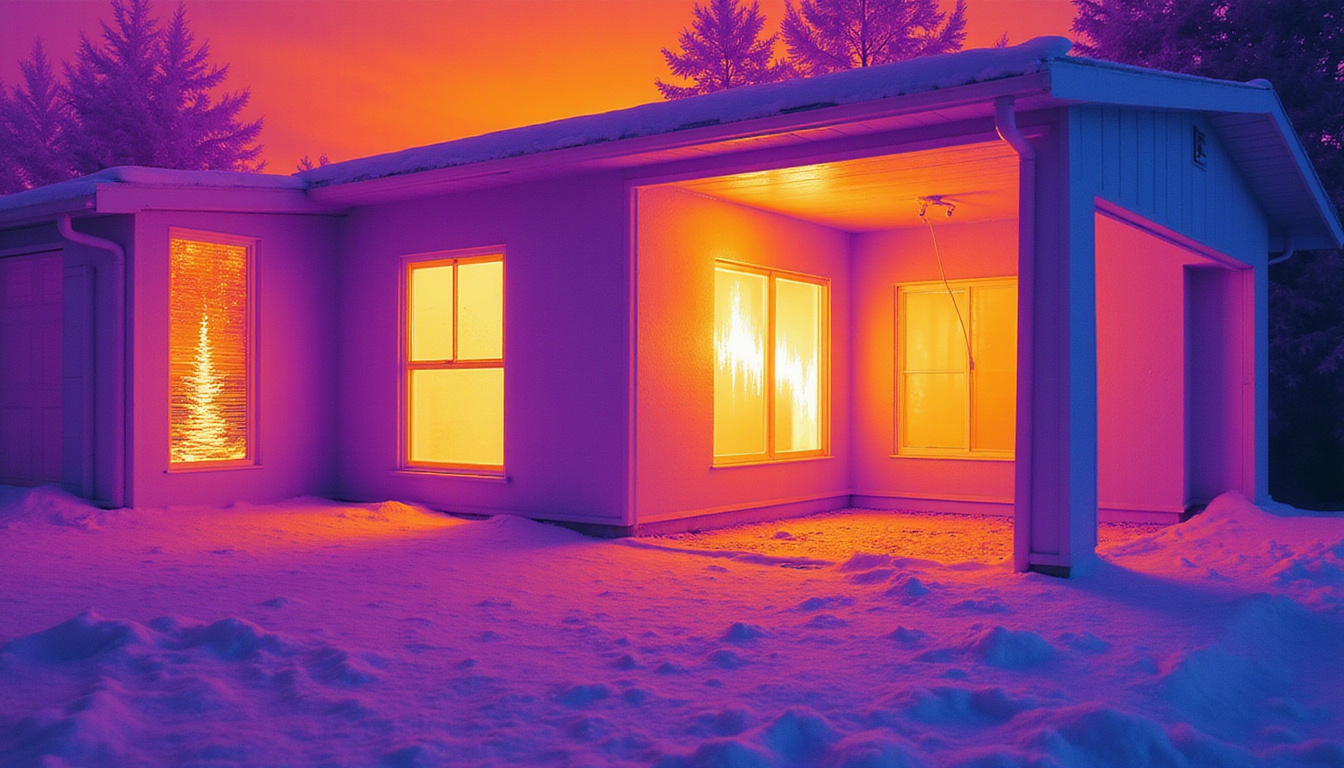
- Infrared (thermal) cameras – show temperature differences on surfaces, revealing cold (or hot) areas where outside air is infiltrating.
- Anemometers – measure air speed at vents, chases, or suspected leakage points.
The combination of pressure plus visualization tools turns guesswork into clear diagnostic information.
Common Leak Locations Found
In most homes, a blower door test exposes a predictable set of problem areas:
- Recessed lights (especially into an attic)
- Attic hatches and pull-down stairs
- Gaps around chimneys and flues
- Plumbing and wiring penetrations through walls and ceilings
- Gaps at top plates and bottom plates of walls
- Window and door frames (especially older units)
- Electrical outlets and switch boxes on exterior walls
- Rim joists and sill plates at the foundation
- Basement and crawlspace penetrations
- Ductwork seams and connections outside the conditioned space
Without a blower door test, many of these remain hidden for years, continuing to spike energy bills.
Interpreting Your Blower Door Test Results
Once the test is complete, you’ll receive numbers that tell you how tight your home is compared to standards.
The most common metrics:
- CFM50 (Cubic Feet per Minute at 50 Pascals): How much air the fan must move to maintain the test pressure. Higher CFM50 = leakier house.
- ACH50 (Air Changes per Hour at 50 Pascals): How many times per hour the entire volume of air in your home is replaced at the test pressure level.
Rough guidelines for ACH50:
- 3 or less: Very tight (typical of high-performance or new code-built homes)
- 4–7: Moderate (many existing homes fall here)
- 8 or more: Leaky (significant energy waste and comfort issues likely)
Your technician can translate these values into approximate energy savings potential and suggest a strategy for air sealing.
What Happens After a Blower Door Test?
The test itself doesn’t save energy; acting on the findings does. A good contractor will:
-
Prioritize leaks
Focus on big, cost-effective improvements first: attic and basement leaks typically matter more than small window drafts. -
Develop an air sealing plan
This might involve:- Caulking and foam sealing around penetrations and framing gaps
- Weatherstripping doors and hatches
- Sealing ducts with mastic or appropriate tape
- Addressing major chases or open connections between floors and attics
-
Coordinate with insulation upgrades
Air sealing often pairs best with insulation improvements, particularly in the attic and over crawlspaces. -
Retest if needed
Some projects include a second blower door test to verify that leakage has been reduced to the target level.
DIY vs. Professional Blower Door Testing
You can improve air sealing without a blower door, but a professional test offers distinct advantages.
Benefits of a Professional Test
- Accurate measurement of overall leakage
- Experienced eyes to interpret airflow patterns
- Access to tools like thermal imaging
- A prioritized list of fixes, including which are worth the cost
- Documentation often required for rebates, incentives, or energy certifications
Can You Do Any of This Yourself?
You can’t replicate a full blower door test without the specialized fan and gauge, but you can:
- Use incense, a thin tissue, or a candle flame on a windy day to spot drafts.
- Visually inspect common leak areas in the attic, basement, and around windows.
- Apply caulk, foam, and weatherstripping to obvious gaps.
However, without a blower door test, it’s easy to miss major leaks hidden in wall cavities, behind trim, or in framing connections.
Cost, Savings, and Incentives
Blower door test costs vary by region and scope, but many fall in the range of a few hundred dollars, especially when part of a full home energy audit.
Potential Savings
Actual savings depend on how leaky your home is and how thoroughly you seal it, but many homeowners see:
- Noticeably lower heating and cooling bills
- Reduced wear and tear on HVAC equipment
- Better comfort and fewer hot/cold problem rooms
When combined with air sealing and insulation improvements, payback timelines can be relatively short, especially in climates with extreme seasons.
Rebates and Programs
Many utilities and state or local programs offer:
- Rebates or low-cost home energy audits that include a blower door test
- Incentives for air sealing and insulation improvements
- Support for meeting energy code requirements in new construction
Check your utility’s website or local energy office for programs that can offset the cost.
Preparing Your Home for a Blower Door Test
To get the most from your test, expect to:
- Close all exterior doors and windows (interior doors usually stay open).
- Turn off combustion appliances like gas furnaces or water heaters if directed.
- Seal or cover fireplaces and wood stoves per your technician’s instructions.
- Provide access to all rooms, attic hatches, basements, and crawlspaces.
The test itself typically takes 1–2 hours as part of a broader energy audit.
FAQ: Blower Door Test and Air Leak Detection
How does a blower door test find air leaks in a house?
A blower door test slightly pressurizes or depressurizes your home using a calibrated fan in an exterior doorway. This pressure difference forces outside air through cracks and gaps, making air leaks easy to detect with smoke sticks, thermal cameras, and the technician’s instruments. The test quantifies total leakage and helps pinpoint exactly where sealing work will have the greatest impact.
Is a blower door test worth it for high energy bills?
Yes, a blower door test is particularly valuable if your energy bills are high, your home feels drafty, or certain rooms are hard to heat or cool. By revealing hidden air leaks, the test allows you to target the most cost-effective air sealing measures. Many homeowners see lower utility bills, better comfort, and reduced strain on HVAC systems once they address the issues the test uncovers.
Do I need a blower door test for new construction or renovations?
Many building codes now require a blower door test for new homes or major renovations to verify that air leakage meets efficiency standards. Even when not required, testing new or remodeled spaces helps ensure you’re getting the performance you paid for, rather than locking in hidden leaks behind finished walls and ceilings.
A blower door test exposes the air leaks you can’t see—leaks that quietly drain your wallet, reduce comfort, and undermine indoor air quality. Instead of guessing where your home is losing energy, you get precise measurements and a clear roadmap for improvements.
If your bills are too high, certain rooms are always uncomfortable, or you’re planning upgrades anyway, schedule a professional blower door test with a qualified energy auditor. One afternoon of testing can reveal years’ worth of hidden problems—and set you up for a more efficient, comfortable home with lower energy costs season after season.