

Sunroom addition transforms cramped homes into bright, functional living spaces
A well-designed sunroom addition can completely change how your home feels and functions. If your current layout is dark, cramped, or lacking in flexible space, adding a sunroom is one of the most impactful upgrades you can make. It brings in natural light, creates a visual and physical connection to the outdoors, and adds valuable square footage that can serve multiple purposes—all without the cost and disruption of a full second-story addition.

Below, we’ll break down what a sunroom addition is, the different types available, costs, design ideas, and how to decide if this bright new space is right for your home.
What is a sunroom addition?
A sunroom addition is a glass-rich room—often with large windows, skylights, or even glass ceilings—attached to your home, typically off a living room, dining area, or kitchen. Unlike a simple porch or patio, a sunroom is usually enclosed and can be used for three or four seasons, depending on how it’s built and insulated.
Key characteristics include:
- Expansive windows to capture sunlight and views
- A direct connection to the house (often via a wide opening or French doors)
- Flexible use: lounging, dining, hobbies, home office, or playroom
- Typically located at the rear or side of the home for privacy and yard access
The goal is to make your home feel larger, brighter, and more livable without altering the entire floor plan.
Why a sunroom addition is ideal for cramped homes
If your home feels small and closed in, a sunroom can solve several problems at once.
1. It visually expands your living area
Even a modestly sized sunroom addition can make your home feel significantly bigger. Large windows and glass doors extend your sightline to the outdoors, which tricks the eye into perceiving more space. This visual expansion is especially helpful in:
- Narrow city homes
- Older houses with small, compartmentalized rooms
- Townhomes and row houses with limited windows
By opening a solid wall into a glass-filled room, your main living area gains breathing room and an immediate sense of openness.
2. It adds highly usable square footage
Unlike many bonus spaces that end up underused, a sunroom addition is incredibly versatile. It can serve as:
- An everyday family room
- A bright breakfast nook
- A playroom that keeps toys contained yet visible
- A plant-filled retreat or reading area
- A hobby or craft space with great natural light
Because it’s directly off the main living areas, it tends to be used daily rather than occasionally, like a formal dining room or basement.
3. It brings in natural light where you need it most
Dark interiors can feel smaller and less inviting. A sunroom addition captures daylight and funnels it into adjacent rooms, reducing the need for artificial lighting and boosting mood and comfort.
According to the U.S. Department of Energy, proper daylighting can improve well-being and even energy efficiency when carefully designed (source: energy.gov). A bright, sun-filled room can help regulate your body’s natural rhythms, improve focus, and make your home feel more cheerful year-round.
Types of sunroom additions: finding the right fit
Not all sunrooms are created equal. The right type depends on your climate, budget, and how you plan to use the space.
Three-season sunroom
A three-season sunroom is designed for spring, summer, and fall. It usually has:
- Single-pane or less-insulated windows
- Limited or supplemental heating/cooling
- A thermal break (door) between the sunroom and the main house
Pros:
- More affordable than a fully conditioned room
- Great for mild climates
- Ideal for casual lounging, dining, or entertaining
Cons:
- May be too cold or hot during extreme seasons
- Not ideal as a year-round office or bedroom
Four-season sunroom (all-season room)
A four-season sunroom addition is built to be used comfortably all year. It typically includes:
- Insulated walls, roof, and energy-efficient windows
- Integrated heating and cooling (tied into or separate from your home’s HVAC)
- Continuous connection to the house without an exterior door
Pros:
- True expansion of your home’s living space
- Suitable for an office, playroom, or everyday family room
- Helps brighten adjacent rooms year-round
Cons:
- Higher construction cost
- Must comply with stricter building codes and energy requirements
Conservatory or glass room
A conservatory is a more traditional, often higher-end style of sunroom addition with:
- Glass roofs or large skylights
- Decorative details and sometimes a more formal feel
- Ideal for plant lovers or those wanting a dramatic architectural statement
These can be breathtaking, but they may require more careful climate control and shading to stay comfortable.
Planning your sunroom addition: key decisions
Before you jump into construction, think through how you’ll use the space and how it will integrate with your existing home.
Location and orientation
- South-facing: Maximum light and passive solar gain; can be very warm without proper shading.
- East-facing: Soft morning light; cooler afternoons—great for breakfast rooms and reading spaces.
- West-facing: Bright afternoon light; may need strategic shading to avoid overheating.
- North-facing: Gentle, consistent light; ideal if your climate is hot or you want minimal glare.
Also consider privacy, views, and access to the yard or patio.
Connection to the existing house
The sunroom addition should feel like a natural extension of your main living area, not an afterthought. Popular approaches include:
- Opening up an existing wall to create a wide cased opening
- Installing French doors or a large sliding door for flexibility
- Aligning floor levels so spaces flow seamlessly
Think carefully about furniture placement in both the existing room and the new sunroom so traffic patterns feel intuitive.
Structural and mechanical considerations
You’ll need to address:
- Foundation type (slab, crawlspace, or basement)
- Roof tie-in to prevent leaks and meet code
- Electrical outlets, lighting, and possibly ceiling fans
- Heating and cooling: mini-split system, baseboard heat, or HVAC extension
Working with an architect or experienced design-build contractor will help ensure the sunroom looks integrated rather than tacked on.
Cost of a sunroom addition and potential ROI
The cost of a sunroom addition varies widely depending on size, materials, and whether it’s three- or four-season. While exact prices differ by region, the following ranges are typical ballparks for many markets:
- Three-season sunroom: lower to mid five figures for a modest, well-built addition
- Four-season sunroom: mid to high five figures (or more) for a fully insulated, conditioned space
Factors that influence cost include:
- Foundation and site work (sloped or rocky lots cost more)
- Roof complexity and connection to the existing house
- Window quality and glass type (low-E, double or triple pane)
- Electrical, HVAC, and finishing materials
In terms of return on investment (ROI), a well-designed, four-season sunroom addition that truly functions as extra living space typically adds more value than a simple enclosed porch. While ROI depends on your local market, buyers often view bright, functional living spaces as premium features.
Beyond resale, consider the “lifestyle ROI”: you’ll likely use this room every day, whether for morning coffee, kids’ homework, home workouts, or unwinding with a book.
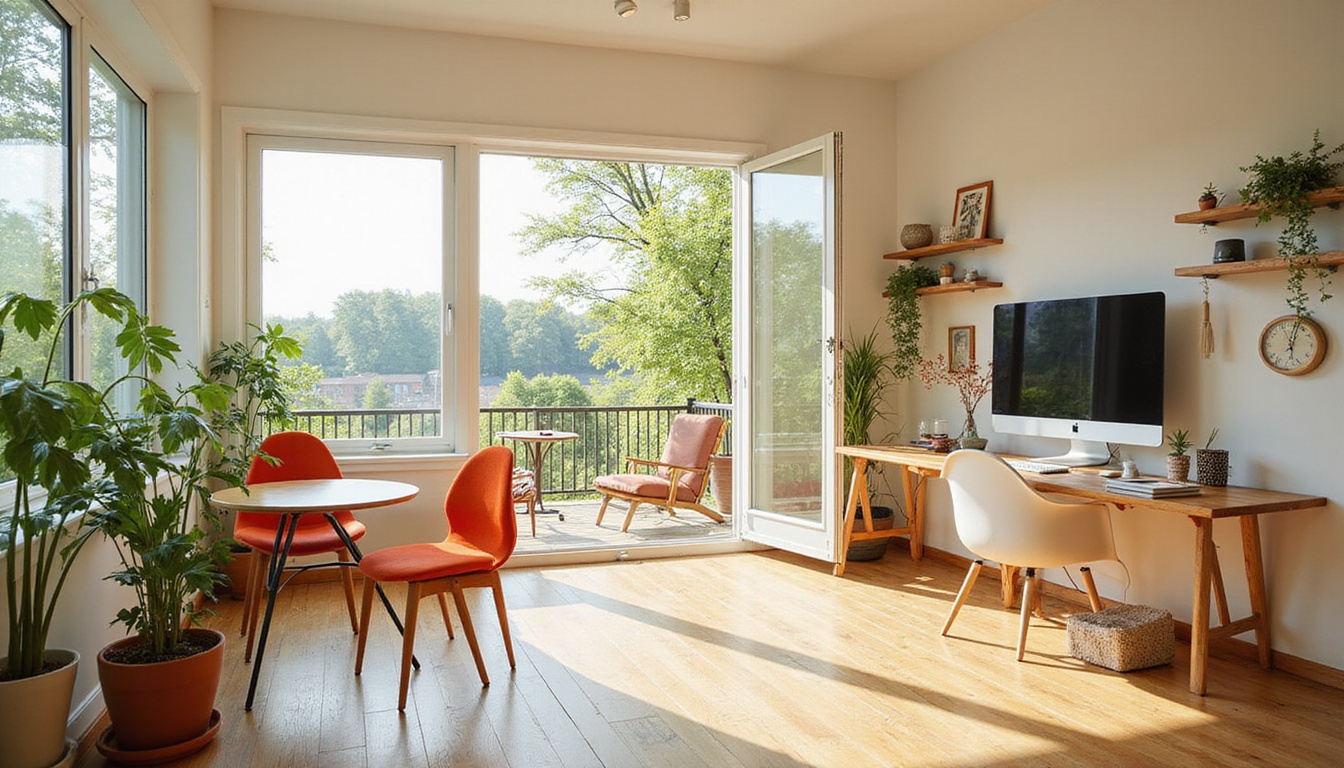
Design ideas to maximize function and beauty
A sunroom addition should feel both inviting and practical. Here’s how to get the most from the space.
Choose a flexible layout
Plan for multiple uses over time—a playroom today could be a home office or reading nook in a few years. Strategies include:
- Leaving central floor space open for traffic
- Using lightweight, movable furniture
- Including built-ins or storage benches along one wall
Layer lighting and window treatments
Even though a sunroom addition is defined by natural light, you still need a thoughtful lighting plan:
- Recessed lights or track lights for evening use
- Wall sconces or floor lamps for reading
- Dimmer switches to adjust ambiance
Add window treatments such as solar shades, light drapes, or cellular blinds to manage glare, privacy, and temperature.
Integrate with your home’s style
To avoid a “bolt-on” look:
- Match or complement your existing exterior siding and trim
- Carry similar flooring or a coordinating material into the sunroom
- Repeat key colors and design elements from adjacent rooms
This cohesion will make the expansion feel original to the house.
Consider plants and natural materials
A sunroom addition is the perfect place to blur the line between indoors and outdoors. Incorporate:
- Potted trees and greenery
- Natural wood or rattan furniture
- Stone or tile flooring (especially near exterior doors)
These touches reinforce the connection between your home and your garden or yard.
Pros and cons of adding a sunroom
To help you decide if a sunroom addition is right for you, weigh the benefits and trade-offs.
Advantages
- Adds bright, flexible living space
- Makes cramped homes feel more open
- Enhances connection to outdoors without exposure to bugs or weather
- Can be tailored to your climate and budget
- Often boosts appeal and value for future buyers
Potential drawbacks
- Upfront cost and construction disruption
- Three-season rooms may have limited use in extreme climates
- Requires thoughtful design to avoid overheating or heat loss
- May need HOA approval or special permits
If you work with qualified professionals and think long-term about how you’ll use the space, the benefits typically far outweigh the downsides.
FAQ about sunroom additions
Q1: Is a sunroom addition worth it in colder climates?
Yes, but opt for a four-season sunroom addition with proper insulation, double- or triple-pane windows, and reliable heating. A well-built all-season sunroom can be just as comfortable as any other room in your home, even in winter.
Q2: Does a sunroom count as square footage?
Whether a sunroom addition is counted as official square footage depends on local codes and appraiser standards. Generally, it must be heated, cooled, fully enclosed, and built to the same structural standards as the rest of the house to be counted as living area.
Q3: How long does a sunroom home addition project take?
A typical sunroom home addition can take anywhere from several weeks to a few months, depending on complexity, permits, weather, and contractor availability. Pre-planning and having all decisions made upfront help prevent delays.
Ready to transform your cramped home with a sunroom addition?
If your home feels tight, dark, or inflexible, a thoughtfully designed sunroom addition can be the game-changer you’ve been looking for. It adds light, functionality, and daily enjoyment in ways few other projects can match. From morning sunlight and garden views to a flexible space for work, play, and relaxation, a sunroom can quickly become the heart of your home.
Consider your climate, budget, and how you want to live in your space, then consult with a qualified designer or contractor to explore what’s possible on your property. The sooner you start planning, the sooner you can step into a bright, inviting new room that makes your whole home feel bigger, more beautiful, and more you.