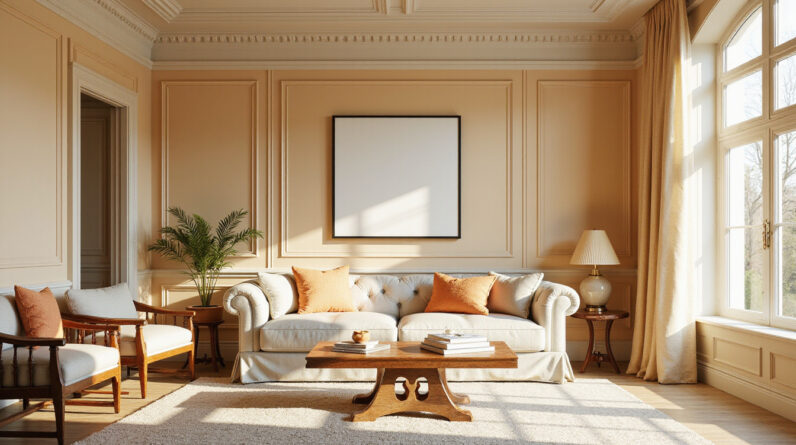


Architectural salvage has become an increasingly popular trend in interior design and home renovation, allowing homeowners and designers to incorporate unique, historic elements into modern spaces. By reclaiming and repurposing materials from old buildings, architectural salvage offers a sustainable and creative way to add character and charm to any project. Whether used for furniture, decorative accents, or structural components, these timeless pieces breathe new life into historic finds, blending the past with the present in stunning designs.

In this article, we will explore the benefits, sources, and creative uses of architectural salvage, and how you can transform historic finds into beautiful, functional design elements.
What Is Architectural Salvage?
Architectural salvage refers to the process of reclaiming building materials and decorative elements from old or historic structures that are being demolished, renovated, or otherwise dismantled. These pieces often have unique designs, craftsmanship, and historical significance that are difficult to replicate in new construction. Salvaged items can include everything from doors, windows, and flooring to mantels, columns, tiles, and hardware.
By rescuing these elements before they are discarded, architectural salvage preserves a connection to history while promoting sustainability in the building industry. Many salvaged materials are made from high-quality wood and metals that are not easily available today, making them valuable resources for distinctive interior and exterior designs.
Why Choose Architectural Salvage for Your Design?
Incorporating architectural salvage into your design offers several key advantages:
- Unique Character and Authenticity: Salvaged materials have a story and craftsmanship that mass-produced items often lack. Using them adds depth and authenticity to your décor.
- Sustainability: Salvaging reduces waste and the demand for new resources, helping to lessen your project’s environmental footprint.
- Cost-Effectiveness: While some rare pieces may be pricey, reusing materials can often be more affordable than buying brand-new, especially for customized or handcrafted elements.
- Versatility: Architectural salvage works well in a variety of design styles, from rustic farmhouse and industrial lofts to elegant traditional and modern minimalist interiors.
- Historical Preservation: By integrating salvaged elements, you help preserve cultural heritage and craftsmanship that might otherwise be lost.
Common Types of Salvaged Architectural Elements
When you explore architectural salvage, you’ll encounter a wide range of items that can enhance your space. Some of the most popular includes:
- Doors and Door Frames: Often made from solid hardwoods with detailed moldings or carvings.
- Windows and Stained Glass: Beautiful vintage glass can become focal points or wall art.
- Mantels and Fireplace Surrounds: Carved stone or wood mantels add elegance and warmth.
- Flooring and Wood Paneling: Reclaimed hardwood floors bring warmth and patina to any room.
- Columns and Balusters: Architectural columns provide structural and stylistic interest.
- Hardware and Fixtures: Unique knobs, handles, hinges, and lighting fixtures create authentic details.
- Tiles and Masonry: Handcrafted tiles and bricks can be used for backsplashes, pathways, or accent walls.
How to Source Architectural Salvage Pieces
Finding quality architectural salvage requires some research and care. Here are several effective ways to source materials:
- Salvage Yards: Dedicated architectural salvage yards specialize in rescuing and selling historic building materials. You can find a variety of items ranging from rustic to refined.
- Demolition Sites: Establish relationships with contractors or demolition companies to gain early access to materials coming from old buildings.
- Online Marketplaces: Websites and auction platforms often list salvaged doors, mantels, and fixtures.
- Estate Sales and Auctions: Sometimes historic properties are liquidated through auctions, offering unique finds.
- Antique Stores: While typically focused on furniture and décor, some antique shops also carry architectural elements.
- Reclaimed Wood Suppliers: These suppliers specialize in harvested wood from old barns, factories, and homes, often processed for easy purchase.
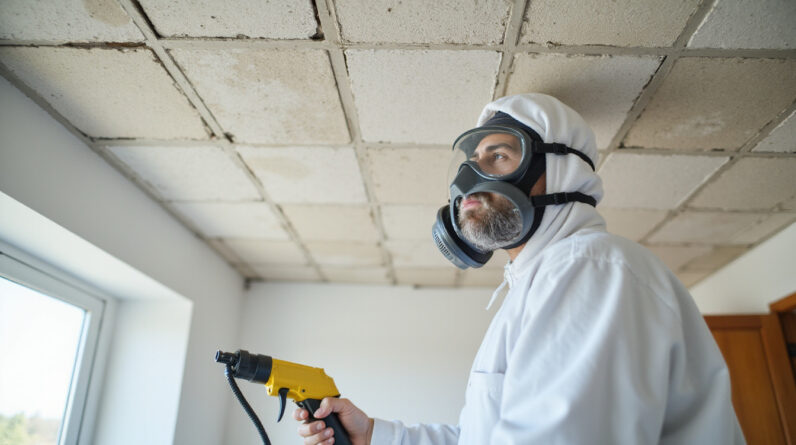
Before buying, always inspect the condition, authenticity, and safety for reuse — some older materials may contain lead paint or asbestos requiring remediation.
Creative Ways to Use Architectural Salvage in Your Designs
Integrating architectural salvage into your design can be both functional and artistic. Here are some ideas to inspire you:
- Turn Old Doors into Headboards: A pair of vintage paneled doors can become an eye-catching headboard for your bed.
- Use Stained Glass as Window Accents or Wall Art: Salvaged stained glass can be framed and hung to catch light beautifully.
- Create a Statement Fireplace: A carved wooden mantel, paired with reclaimed bricks or stone, gives a fireplace a historic yet inviting look.
- Reclaimed Wood Flooring or Accent Walls: Salvaged hardwood adds warmth and a story to floors or wall paneling.
- Design with Vintage Hardware: Installing antique knobs and hinges on cabinets or furniture revives them with unique character.
- Build Open Shelving from Reclaimed Materials: Wood beams or brackets from old buildings can become sturdy and rustic shelving.
- Outdoor Features: Use old stone, bricks, or ironwork to create garden paths, retaining walls, or decorative fences.
Architectural Salvage and Sustainability: A Perfect Match
Sustainability is one of the most compelling reasons for embracing architectural salvage. The construction and demolition industry generates massive amounts of waste each year, with recyclable materials often ending up in landfills. By reclaiming and repurposing building components, architectural salvage helps divert waste, reduces demand for virgin resources, and lowers the carbon footprint associated with manufacturing new products.
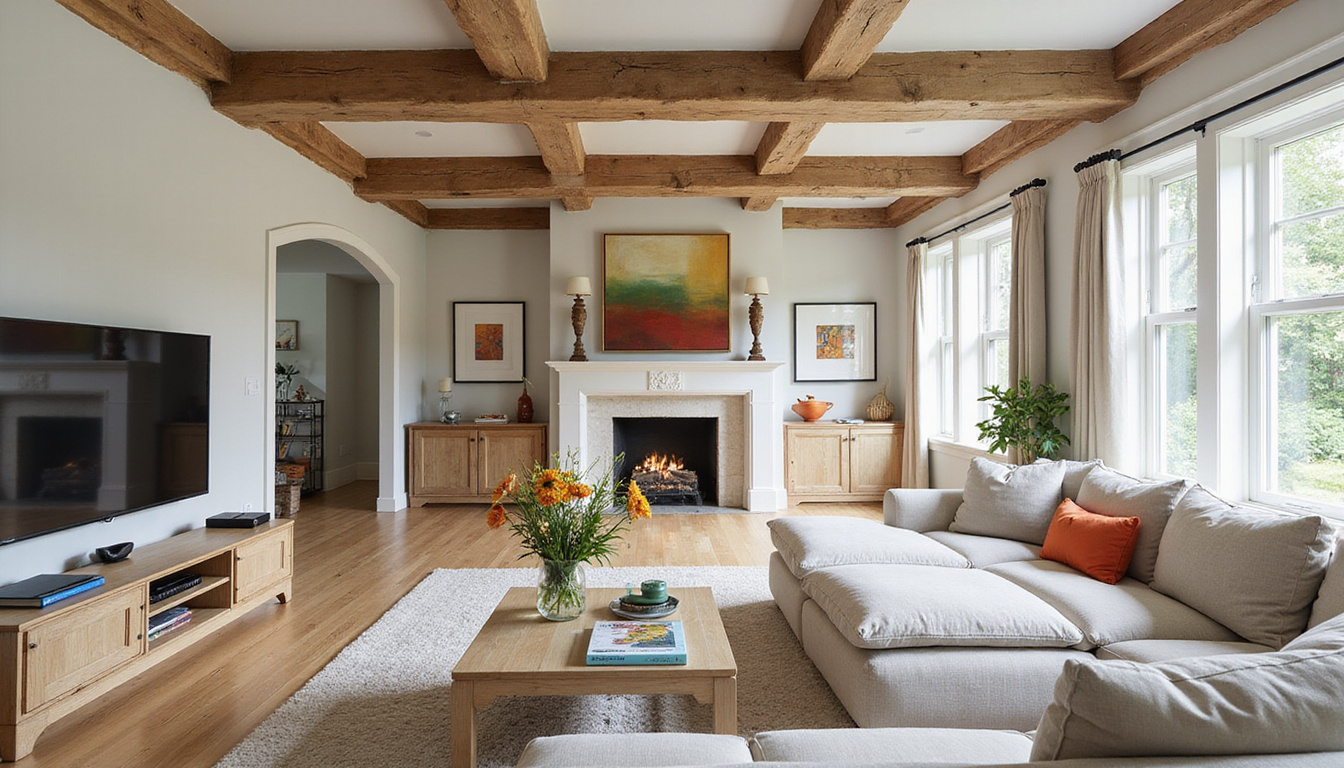
Additionally, salvaged materials often come from slow-growth forests and old-growth hardwoods that are largely unavailable today. Reusing these materials prolongs their lifecycle and preserves natural habitats.
According to the U.S. Green Building Council, incorporating recycled and reclaimed materials can contribute to LEED certification and environmentally responsible building practices (source).
Tips for Successfully Incorporating Architectural Salvage
To ensure your architectural salvage pieces contribute positively to your design, consider these tips:
- Plan Ahead: Identify which elements you want early in your design process to coordinate their sizes and styles.
- Ensure Safety and Compliance: Some old materials may require treatment or approval depending on local building codes.
- Work with Professionals: Collaborate with architects or designers experienced in integrating salvaged elements to maximize their impact.
- Mix with New Materials: Combine historic pieces with modern elements for contrast and balance.
- Embrace Imperfections: Patina, wear, and imperfections are part of the charm — don’t worry about achieving “perfect” finishes.
- Maintain and Preserve: Proper care will keep salvaged items looking beautiful for years to come.
FAQ About Architectural Salvage
Q1: What is the difference between reclaimed wood and architectural salvage?
A1: Architectural salvage refers to any building element reclaimed from old structures, which may include wood, stone, metal, glass, and hardware. Reclaimed wood specifically means wood materials salvaged and repurposed from buildings.
Q2: Can architectural salvage be used outdoors?
A2: Yes, many salvaged materials like stone, brick, and certain woods are durable outdoors. However, ensure the wood is treated for weather resistance and check for any signs of rot or damage before installation.
Q3: How do I verify the authenticity of architectural salvage pieces?
A3: Reputable salvage yards and specialists often provide provenance information. Authenticity can also be verified by examining the craftsmanship, materials, patina, and hardware styles, sometimes consulting with experts.
Conclusion: Embrace the Beauty of Architectural Salvage in Your Designs
Architectural salvage offers a unique opportunity to fuse history, sustainability, and stunning design in your spaces. By thoughtfully integrating reclaimed doors, windows, flooring, and decorative elements, you can create environments that tell a story, capture character, and honor craftsmanship from the past. Whether you’re a homeowner, interior designer, or builder, exploring architectural salvage can transform ordinary projects into extraordinary showcases of creativity and environmental consciousness.
Ready to begin your architectural salvage journey? Explore local salvage yards, connect with restoration experts, and start collecting timeless materials that will elevate your next design project. Embrace the past and make your space truly one-of-a-kind with architectural salvage!