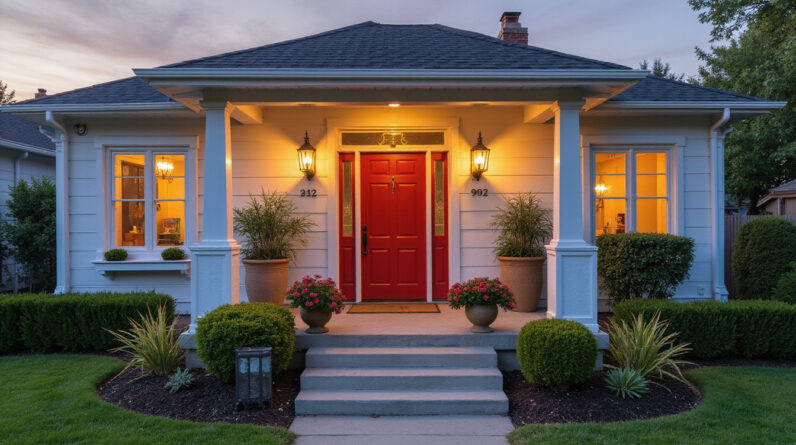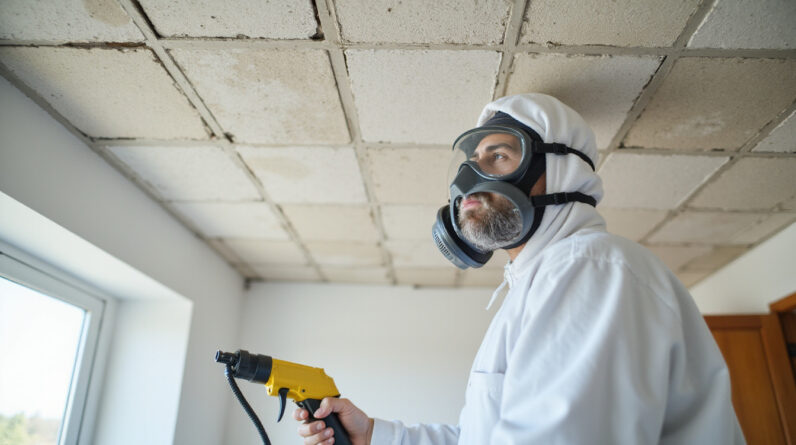


When planning any construction project, understanding the importance of building permits is crucial. Building permits ensure that your project complies with local regulations, safety standards, and zoning laws. Whether you’re constructing a new home, adding an extension, or renovating a commercial space, obtaining the proper building permits is a necessary step before breaking ground. In this article, we’ll cover everything you need to know about building permits to ensure a smooth, legally compliant construction process.

What Are Building Permits?
Building permits are official approvals issued by local government authorities that allow you to proceed with your construction plans. These permits confirm that your project meets specific zoning, environmental, and safety guidelines. Obtaining a permit typically involves submitting detailed plans and specifications for review by building officials, who will check that the work aligns with codes and regulations.
Why Are Building Permits Important?
Securing building permits is vital for several reasons:
- Safety: Ensures the construction is safe for occupants and the general public.
- Legal Compliance: Keeps your project within local building laws and zoning ordinances.
- Property Value: Proper permits can increase property value by ensuring the work is legitimate.
- Insurance Coverage: Some insurance providers require permits for coverage in case of damage.
- Resale and Financing: Unpermitted work may complicate selling your property or obtaining financing.
Failing to obtain the necessary building permits can lead to penalties, fines, or even orders to demolish unpermitted structures.
When Do You Need Building Permits?
Not all construction work requires a building permit, but most structural changes or new construction projects do. Here are common scenarios when permits are usually necessary:
- New construction (homes, commercial buildings)
- Additions or extensions (extra rooms, garages)
- Major renovations (removing or adding walls)
- Electrical, plumbing, or mechanical system upgrades
- Roofing replacement or significant repairs
- Decks, fences, and swimming pools in some jurisdictions
Minor cosmetic changes, such as painting or wallpapering, generally don’t require permits. However, it’s always wise to check with your local building department.
How to Obtain Building Permits: Step-by-Step Guide
-
Check Local Requirements
Contact your local building or planning department to understand what permits you need and the process involved. Requirements vary by city and state. -
Prepare Your Plans
Work with an architect or engineer to create detailed construction drawings and specifications that comply with building codes. -
Submit Your Application
Complete the permit application form and submit it along with your plans and any other required documents. -
Plan Review
The building department reviews your plans to ensure compliance. They may request revisions or additional information. -
Permit Issuance
Once approved, you’ll receive your building permit, which must be displayed at the construction site. -
Inspections
During construction, schedule inspections as required (foundation, framing, electrical, final, etc.) to verify compliance. -
Final Approval and Certificate of Occupancy
After passing all inspections, you may receive a certificate of occupancy or completion, officially allowing you to use the structure.
Common Challenges When Dealing with Building Permits
Navigating the building permit process can sometimes be challenging. Some common issues include:
- Delays in Approval: Complex projects or incomplete submissions can result in slow approvals.
- Unclear Regulations: Local codes may change, making it hard to keep updated.
- Cost Overruns: Permit fees vary and additional inspections might increase costs.
- Revisions to Plans: Authorities may require significant modifications leading to re-submissions.
Keeping open communication with your building department and engaging experienced professionals can help overcome these challenges.

Tips for a Smooth Building Permit Process
To streamline your permit acquisition, consider the following best practices:
- Start early — Applying well in advance prevents construction delays.
- Understand local codes thoroughly before designing.
- Submit complete and accurate plans.
- Hire licensed contractors familiar with regulations.
- Keep thorough documentation and correspondence records.
- Be prepared to address inspectors’ feedback promptly.
FAQ: Building Permits Explained
Q1: How long does it take to get building permits?
The timeline varies depending on project complexity and local regulations. It can range from a few days for minor permits to several weeks or months for large projects.
Q2: What happens if I build without a building permit?
Building without a permit can lead to fines, forced removal of structures, and issues with property resale or insurance claims.
Q3: Can I apply for a building permit myself, or do I need a professional?
Homeowners can often apply themselves, but many projects benefit from architects or contractors who understand the process and submission requirements.
Authoritative Guidance on Building Permits
For comprehensive guidance on building permits and codes, the International Code Council provides detailed resources and model codes widely adopted by jurisdictions across the U.S. You can explore their website to understand the standards that most building permits enforce (source).
Conclusion
Understanding and securing building permits is a fundamental part of any construction project. It protects your investment, ensures safety, and keeps you compliant with the law. Before starting construction, make sure to research your local building codes, prepare thorough plans, and apply for the necessary permits. Taking these steps not only prevents costly legal issues but also results in a safer, higher-quality build.
Ready to begin your next construction project with confidence? Contact your local building department today to learn about the permits required and take the first step toward a successful build!