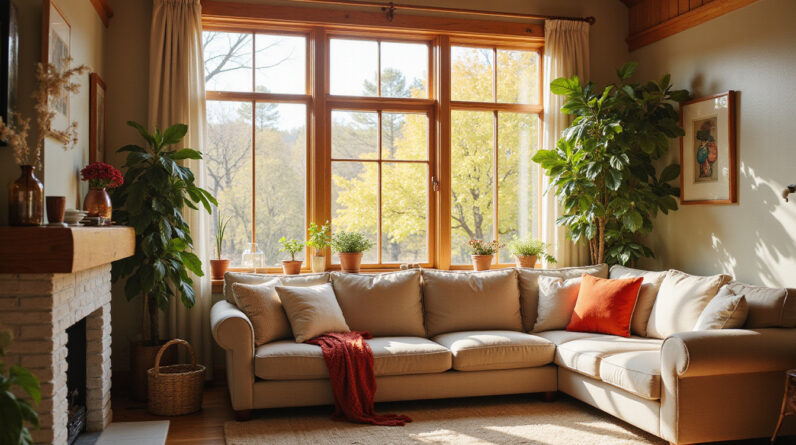


Built In Shelving Ideas to Transform Small Spaces Into Chic Storage
When floor space is limited, built in shelving can completely change how a room looks and functions. Instead of cramming in bulky furniture, smart built-ins carve storage out of walls, alcoves, and awkward nooks—turning visual clutter into streamlined, stylish displays. Whether you’re in a studio apartment or a compact home, the right shelving ideas can make small spaces feel bigger, calmer, and more personal.

Below are practical, design-forward ideas to help you plan built in shelving that works hard and looks beautiful.
Why Built In Shelving Is Perfect for Small Spaces
In tight quarters, every square inch matters. Built ins shine because they:
- Use vertical space instead of floor space
- Fit awkward corners and niches that standard furniture can’t
- Provide a custom look that increases perceived (and often real) home value
- Help reduce visual clutter by creating a “home” for everything
Unlike freestanding units, built-in shelving becomes part of the architecture. This makes rooms feel more intentional and less crowded, even when you’re adding a lot of storage.
Living Room Built In Shelving Ideas
The living room often has the most visual “stuff”—TV, books, decor, speakers, games. Smart built in shelving keeps all of it tidy and cohesive.
1. Frame Your TV with Wall-to-Wall Shelves
Instead of a chunky media console, design built-in shelving around your TV:
- Float the TV in the center with a low, closed cabinet beneath
- Add open shelves above and to the sides for books and decor
- Hide cables inside the wall or behind cabinet panels
Keeping the TV integrated into a shelving wall makes it feel less like a tech box and more like part of the room’s design. To keep a small space from feeling heavy, choose slim shelf profiles and paint the built-ins the same color as the wall.
2. Create a Built-In Library Wall
Even a small living room can handle a library wall if it’s well planned:
- Run shallow shelves (9–11 inches deep) across a full wall
- Take them from floor to ceiling to draw the eye upward
- Use a mix of vertical and horizontal book stacks to add texture
Add a small ladder or step stool if you’re going floor-to-ceiling. For renters or those hesitant to commit, you can approximate this look with tightly fitted modular systems, but true built in shelving will look more seamless and custom.
Built In Shelving for Small Bedrooms
Bedrooms easily become cluttered with clothing, personal items, and nightstand piles. Built-ins help you store more with less furniture.
3. Replace Nightstands with Niche Shelves
If you’re squeezed for floor space beside the bed:
- Recess a niche into the wall on each side of the bed
- Install a short stack of shelves inside (or one substantial shelf at nightstand height)
- Add a built-in reading light or sconce above
This built-in shelving solution gives you space for books, glasses, and a glass of water—without bulky tables. A small lip on the shelf edge helps keep items from sliding off.
4. Integrate Shelving Around the Headboard
For a boutique-hotel vibe:
- Build shelves on either side of the bed, rising to the ceiling
- Connect them with an overhead bridge shelf or cabinet
- Use the central space for a headboard, art, or accent wall
Keep the shelving shallow to avoid a claustrophobic feel. Painting the interior of the shelves a darker or contrasting color creates a framing effect for the bed and makes the space feel designed, not crowded.
5. Optimize Closet Walls with Custom Built Ins
Standard closets often waste vertical and side space. Instead of a single rod and shelf:
- Add floor-to-ceiling shelves on one or both sides
- Use adjustable shelves for shoes, bags, and folded clothes
- Combine open shelves with a few closed drawers or baskets
Well-designed built in shelving inside closets can eliminate the need for extra dressers, freeing up floor space and making bedrooms feel larger.
Kitchen and Pantry Built In Shelving Ideas
Kitchens are all about function—but good design matters just as much in small spaces.
6. Swap Some Upper Cabinets for Open Built Ins
In a compact kitchen, solid upper cabinets can feel bulky. Consider:
- Removing a pair of uppers and replacing them with open built in shelving
- Painting the shelves the same color as the walls or backsplash
- Using them for everyday dishes, glasses, and a few decor pieces
This opens up the visual field and makes the kitchen feel airier. To keep the look tidy, choose matching dishware and limit what lives on display.
7. Turn a Narrow Wall into a Pantry
A sliver of wall space can become a powerful storage zone:
- Build shallow shelves (4–8 inches deep) from floor to ceiling
- Store spices, cans, jars, and small pantry staples
- Add a trim frame and paint to match your walls for a built-in look
You can leave this exposed for a “general store” feel or add a slim door or curtain if you prefer a cleaner look. Shallow built in shelving prevents food from getting lost at the back.
Entryway and Hallway Built In Shelving
These transitional spaces are prime real estate for storage yet easily overlooked.
8. Create a Slim Entryway Built-In
Instead of a bulky console in a small entry:
- Build a shallow unit with upper shelves and lower closed storage
- Include hooks or pegs inside for bags and scarves
- Add a small bench seat with hidden storage below, if space allows
Mirror panels behind or above the built in shelving can reflect light and make the entry feel larger while you gain a dedicated landing zone for keys, mail, and shoes.
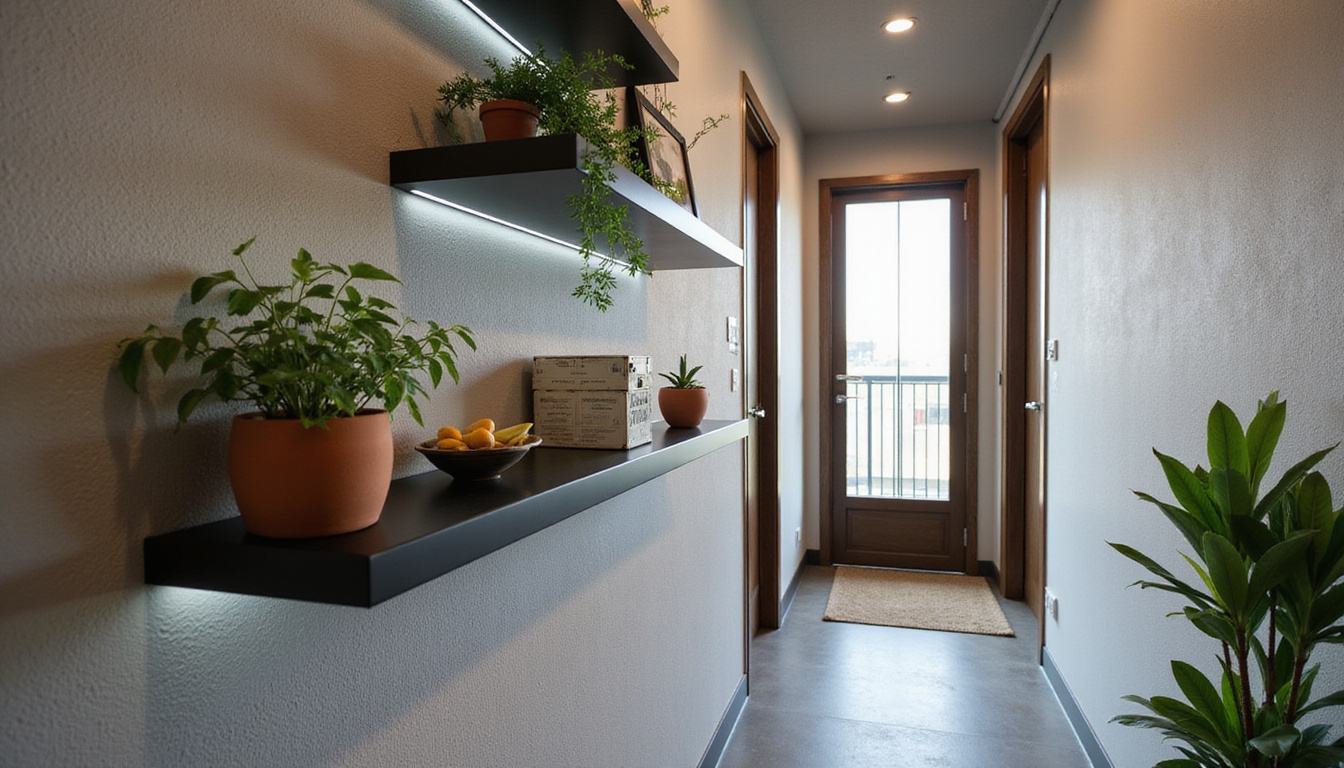
9. Turn Hallways into Mini Libraries
Long, narrow halls often have blank walls that can host storage:
- Install ultra-shallow shelves (4–6 inches deep) along one side
- Use them for books, framed art, or baskets for small items
- Keep at least 36 inches of clear walking width
Painting the shelves and wall the same color minimizes visual bulk and lets the objects themselves become the focal point instead of the shelving.
Built In Shelving for Awkward Spaces
Some of the best storage lives in spaces that seem unusable at first glance.
10. Use Under-Stairs Space Wisely
The void under a staircase is ideal for built ins:
- Create a series of open cubbies for books, baskets, or decor
- Add closed cabinets at the bottom for shoes or cleaning supplies
- Follow the angle of the stairs for an architectural look
In very tight homes, this area can even host a compact desk nook framed by shelving overhead.
11. Transform Alcoves and Recesses
Fireplace alcoves, chimney breasts, or odd bumps in walls are perfect candidates:
- Fill each side of a fireplace with symmetrical floor-to-ceiling shelves
- Turn a niche into a display case or bar area with glass-front doors
- Use deep recesses for media storage with a mix of open and closed spaces
Working with these quirks instead of fighting them results in a custom, intentional look.
Design Tips for Chic, Not Cluttered, Built Ins
Built in shelving can make a small space feel airy and sophisticated—or overloaded. A few design principles help keep things chic.
Choose a Cohesive Color Strategy
You generally have three approaches:
- Blend in: Paint built ins the same color as the walls to make them visually recede.
- Subtle contrast: Use a slightly darker or lighter tone for quiet definition.
- Bold contrast: Choose a strong, contrasting color to make a statement wall.
In small spaces, blending or subtle contrast often works best, with color or texture coming from the objects on the shelves.
Mix Open and Closed Storage
All-open shelving can quickly look busy, especially in tight rooms. Balance is key:
- Use open shelves for books, plants, and decor
- Include closed cabinets or drawers at the bottom or center for less-attractive items
- Add baskets or boxes to corral small, loose pieces
This combination lets you maintain a curated look while still storing everyday essentials.
Edit What You Display
To keep built in shelving looking intentional rather than messy:
- Group items in odd numbers (3s and 5s often look best)
- Mix heights and shapes: stack books, add a vase, layer a frame
- Leave some empty space to let the eye rest
Think of each section as a mini composition rather than filling every inch.
Practical Planning: Depth, Spacing, and Materials
Well-designed built in shelving is as much about technical choices as style.
- Depth:
- Books: ~10–12 inches
- Decorative/display: 8–10 inches
- Media components: 14–18 inches
- Shelf spacing:
- Paperbacks: ~9–10 inches between shelves
- Tall books/objects: 12–15 inches
- Adjustable shelves offer maximum flexibility
For materials, painted MDF is popular for built ins because it creates smooth surfaces and crisp lines at a lower cost than solid wood. For high-moisture areas like bathrooms, use moisture-resistant materials and proper sealing (source: U.S. EPA on moisture control).
Simple Checklist for Planning Built In Shelving
Use this quick list before you begin:
- Measure wall width, height, and depth carefully.
- Identify what you’ll store there (books, decor, media, clothes, pantry items).
- Choose a depth that fits contents without stealing too much floor space.
- Decide which sections should be open vs. closed.
- Pick a color strategy (blend, subtle contrast, or bold).
- Plan lighting—puck lights, LED strips, or sconces.
- Confirm wall type and structural considerations, especially for heavy loads.
- Sketch elevation views or use design software to visualize.
Bringing these answers to a contractor or carpenter will streamline the process and help you get accurate quotes.
FAQ About Built In Shelving for Small Spaces
Q1: Are built in shelves worth it in a small room?
Yes. Well-planned built in shelving is one of the most effective upgrades for small rooms because it frees floor space and makes storage feel integrated rather than tacked on. It can also add perceived and actual resale value by making the space more functional and polished.
Q2: How deep should built-in wall shelves be in tight spaces?
For most small-space applications, built-in wall shelves work best at 8–12 inches deep. Go shallower (4–8 inches) for hallways and tight walkways, and deeper (14–18 inches) only where you need to store bulky items like AV equipment or large baskets.
Q3: Can renters get a built in shelving look without permanent construction?
Yes. Use modular bookcases or wall systems that fit wall-to-wall, then secure them with removable fasteners where possible. Color-matching the units to your walls and adding trim pieces between units can mimic true built in shelving while remaining mostly reversible.
Turn Your Small Space Into a Tailored, High-Function Home
You don’t need a big home to enjoy beautiful, practical storage. Thoughtfully designed built in shelving transforms awkward corners, cramped rooms, and bare walls into streamlined zones for living, working, and relaxing. By choosing the right depth, combining open and closed sections, and editing what you display, you can gain serious storage while making your space feel more open—not less.
If you’re ready to reclaim your square footage and upgrade your home’s style, start by walking through each room and identifying one wall, niche, or corner that could host built ins. Sketch a simple plan, gather inspiration, and consult a pro or skilled DIY friend to bring your ideas to life. The sooner you start, the sooner your small space can feel like a custom-designed, clutter-free retreat.