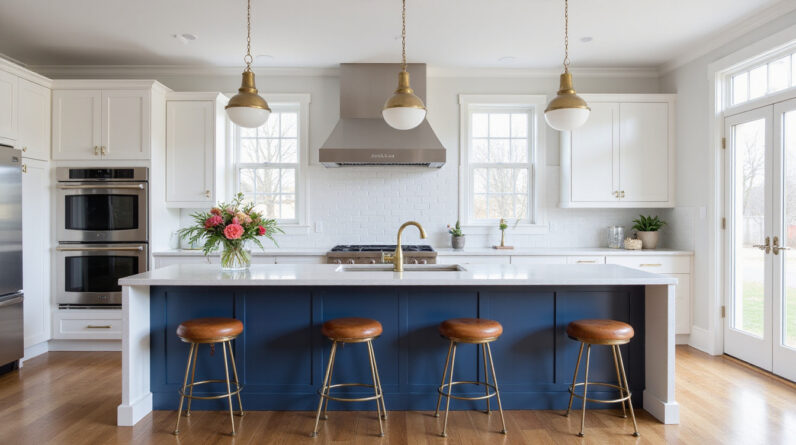


If you want rooms that read as intentional and high-end, crown molding is one of the fastest ways to get there. Crown molding adds architectural depth, hides imperfections where wall meets ceiling, and—when done right—can make a room feel custom-built without a full renovation. Below are practical, budget-smart hacks to get that built-in look, whether you’re DIYing or hiring a pro.

Why crown molding makes such a big difference
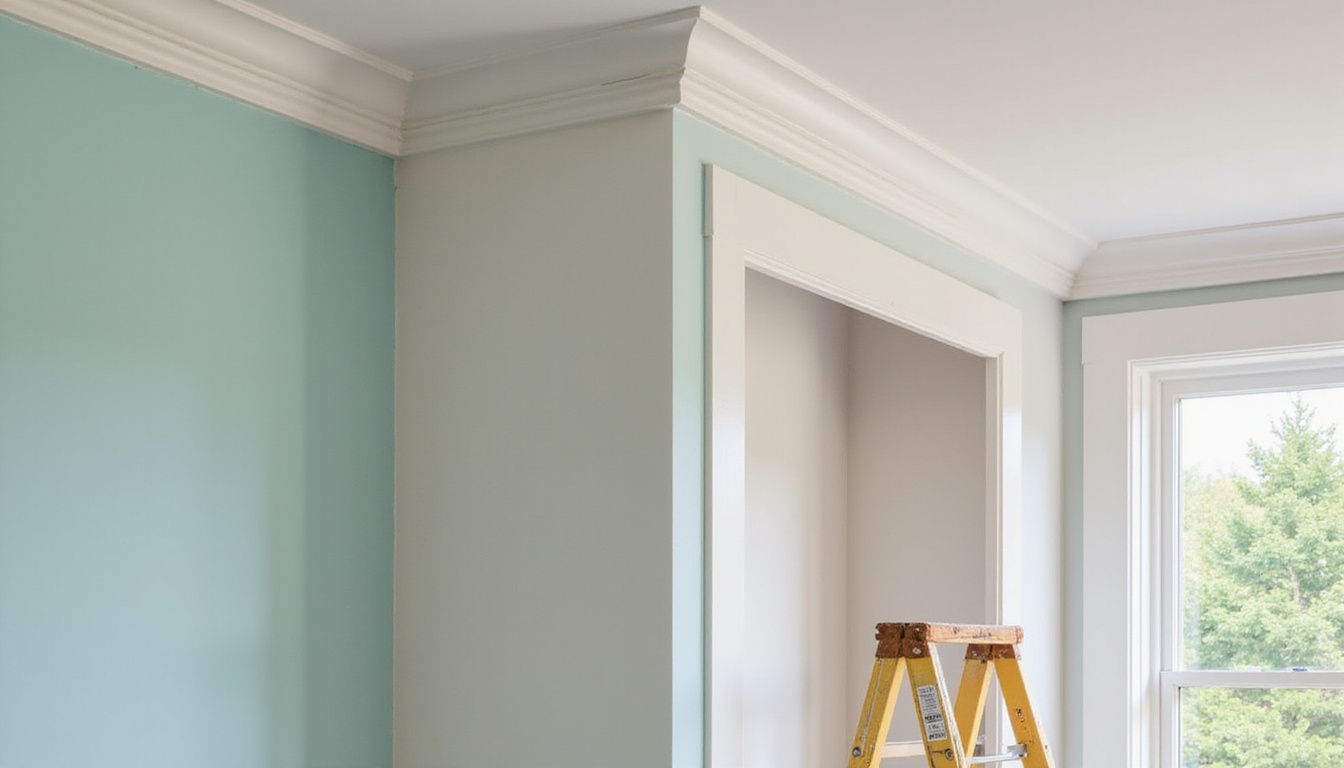
Crown molding frames a room the same way trim frames a photograph: it finishes edges, creates shadow and line, and draws the eye upward to the ceiling. Taller profiles make ceilings seem higher; layered or multi-piece crown can mimic expensive millwork; and profile choice (simple vs. ornate) determines the room’s style. Small, strategic changes—like increasing the height or adding a backband—can transform builder-grade spaces into rooms that read custom.
Choose the right materials and profiles
Not all crown molding is created equal. Your choice affects cost, installation difficulty, and the final look.
- Solid wood: Authentic and stainable; ideal for historic homes but more expensive and sensitive to humidity.
- MDF (medium-density fiberboard): Affordable and easy to paint; stable but can swell with moisture.
- Polyurethane or polystyrene: Lightweight, pre-primed, and great for ornate profiles; resists moisture and insects.
- PVC: Waterproof and low-maintenance; good for bathrooms and exteriors.
Profiles range from simple cove molding to complex ogee-and-bead combinations. For a custom appearance without the cost, consider layering two simple profiles (e.g., a larger crown plus a thin backband) to mimic high-end shop-milled pieces.
12 crown molding hacks that look custom but save time and money
- Use taller molding to make ceilings appear higher. A 5–7 inch profile on an 8-foot ceiling reads more upscale than the standard 3–4 inch.
- Layer profiles. Combine a simple crown with a backband or picture rail to create depth and complexity.
- Install a plinth or block at corners and doorways to avoid coping mitered joints—easier and more forgiving.
- Add a shadow gap. Create a reveal behind the crown (or paint it a slightly different shade) so the profile looks like separate millwork.
- Run crown along the ceiling of a soffit or beam to give built-in architectural interest.
- Use corner blocks or rosettes instead of coping inside corners—faster and still upscale.
- Paint the crown and ceiling one color and the walls another for a modern, continuous look.
- Use high-build primers and caulk generously at joints; seamless transitions read custom.
- For renters, try lightweight peel-and-stick or polystyrene crown that installs with adhesive and small pins.
- Add LED strip lighting behind crown for an indirect, floating-ceiling effect.
- Stain wood crown and use glazing to get that antique, craftsman-style finish.
- For uneven walls, cope inside corners rather than relying on exact miter cuts—coping hides gaps better.
Tools and installation tips that reduce mistakes
A few right tools and techniques save time and make the work look professional:
- Use a quality compound miter saw for accurate angles; a coping saw is indispensable for perfect inside corners.
- A pneumatic finish nailer speeds installation and reduces splitting.
- Always test-fit joints before nailing or gluing.
- Measure twice, cut once—remember that crown molding is installed on an angle, so your saw setup must match the spring angle of the profile.
- For long runs, join pieces behind the high point of the profile for less visible seams.
- Use paintable caulk to fill nail holes and small gaps, then sand lightly before painting.
Finishing touches that read custom
Painting and finishing often make or break the result:
- Prime any raw MDF or polyurethane before installation to prevent moisture absorption.
- Use a semi-gloss or satin paint for trim; it’s durable and reflects just enough light to highlight profiles.
- Color choices: painting the crown the same color as the ceiling is modern and elongates the wall; contrasting the trim emphasizes the frame and style.
- Try a faux-stain or glaze for layers to bring out details in ornate profiles.
- For an extra-built-in look, continue trim treatments—like baseboards and door casings—in the same family of profiles.
Creative uses of crown molding beyond the ceiling
Crown molding isn’t limited to the ceiling line. Try these applications for a bespoke feel:
- Top bookcases and cabinets with crown to mimic built-ins.
- Use crown as a faux headboard detail, framing the bed.
- Frame windows internally for a cozier, cottage look.
- Create a chair rail and picture-frame wall by combining crown pieces with flat boards.
These uses help the whole room read as a coherent design rather than an afterthought.
When to DIY and when to call a pro
If you’re comfortable with a saw and have patience for precise measuring, crown molding is a satisfying DIY project. Start with a less visible room and practice coping and mitering. Call a pro for large spaces, highly ornate profiles, or when walls and ceilings are very out of square—professionals can also match complex paint and finish work.
Budget hacks that don’t look cheap
- Use polyurethane in ornate rooms and paint it to match wood tones or color-contrast ceilings.
- Install crown molding only in primary rooms (living room, dining room, master bedroom) and subtler trim in secondary spaces.
- Repurpose baseboard or door casing pieces creatively to create the illusion of custom profiles.
- Shop clearance or reclaimed wood for one-of-a-kind profiles at lower cost.
Authoritative technique resource
If you want step-by-step installation pointers and diagrams, this Old House has a detailed crown molding how-to that explains coping, spring angles, and joinery (This Old House: https://www.thisoldhouse.com/15383324/how-to-install-crown-molding).
FAQ
Q: What is crown molding and why should I add crown molding to my home?
A: Crown molding is decorative trim installed where the wall meets the ceiling. Adding crown molding creates architectural definition, hides gaps, and elevates a room’s perceived value—making the space look more custom-built.
Q: What crown molding ideas make a small room look bigger?
A: Use taller, slimmer profiles painted the same light color as the ceiling, or add a thin backband to create a vertical lift. Installing crown slightly lower than the true ceiling height can also visually raise the room when paired with lighter wall colors.
Q: How to install crown molding if walls aren’t square?
A: For out-of-square walls, cope inside corners rather than relying on perfect miter joints. Use corner blocks at joins to avoid precise angle cuts, and fill small gaps with paintable caulk for a seamless appearance.
Conclusion and next steps
Crown molding is one of the most effective, affordable ways to make a room feel custom-built. Whether you choose to layer profiles, add shadow gaps, or use clever lighting behind crown, these hacks let you create rich architectural detail without the full custom build cost. Start with one room, pick a profile that suits your home’s style, and use the tips above to install and finish like a pro.
Ready to transform a room? Pick one of the hacks above, order the materials, or get a free estimate from a local installer today—and give your home the custom look it deserves.