


Electrical rewiring isn’t just a remodeling buzzword—it’s a critical safety measure that can protect your home, your family, and your finances. Many costly electrical problems give off early warning signs long before they turn into major repairs, code violations, or even fires. Learning how to spot issues related to electrical rewiring early can save you thousands of dollars and a lot of stress.

This guide walks you through what to watch for, how to distinguish minor annoyances from serious hazards, and when it’s time to call a licensed electrician.
Why Electrical Rewiring Matters More Than You Think
Modern homes demand far more power than older electrical systems were ever designed to handle. High-wattage appliances, home offices full of electronics, EV chargers, and smart home devices all put strain on outdated or damaged wiring.
Ignoring warning signs doesn’t just risk higher repair bills later. Faulty or aging wiring is a leading cause of residential fires (source: U.S. Fire Administration). Electrical rewiring, when done properly and at the right time, can:
- Reduce the risk of electrical fires and shocks
- Eliminate nuisance tripping and flickering lights
- Support new appliances and technology safely
- Boost home value and pass inspections smoothly
The key is recognizing problems before they escalate into emergencies.
Early Warning Signs Your Home May Need Rewiring
Many electrical issues start small. If you catch them early, you may be able to address them with targeted repairs instead of a full electrical rewiring project. Pay attention to these warning signs.
1. Frequent Breaker Trips or Blown Fuses
Circuit breakers are designed to trip when a circuit is overloaded or shorted. Occasionally tripping a breaker isn’t unusual, but repeated trips signal a deeper problem.
Possible causes include:
- Overloaded circuits (too many devices on one circuit)
- Faulty or deteriorating wiring insulation
- Short circuits or loose connections behind outlets or switches
If you reset a breaker and it frequently trips again, or if you still have screw-in fuses blowing often, you may be facing a wiring issue that needs professional attention.
2. Flickering, Dimming, or Buzzing Lights
Lights that flicker or dim when you turn on an appliance can indicate your electrical system is struggling.
Common red flags:
- Lights flicker randomly with no obvious cause
- Lights dim significantly when A/C, microwave, or vacuum starts
- Fixtures buzz or hum even with new bulbs
Occasional dimming on startup of a large motor (like an air conditioner) can be normal, but regular flickering and noise may suggest loose wiring connections, undersized circuits, or a system that’s nearing its limits.
3. Discolored, Warm, or “Smelly” Outlets and Switches
Outlets and switches should be cool to the touch and free of any discoloration.
Watch for:
- Brown or yellow stains on or around outlets/switches
- Plastic faceplates that feel warm or hot
- Burning, smoky, or “fishy” electrical odors
These symptoms can indicate overheating, arcing (tiny sparks inside the wall), or wiring that’s breaking down. This is a high-priority safety issue that can lead to fire if ignored.
4. Frequent Use of Extension Cords and Power Strips
Extension cords were never meant to be permanent solutions. If you’re relying on them all over your home, your electrical system likely doesn’t match how you actually live.
Indicators of a bigger problem:
- Multiple power strips loaded with devices in each room
- Extension cords running under rugs or across doorways
- No convenient outlets where you need them most
While this alone doesn’t mean you need full electrical rewiring, it often points to outdated layouts, insufficient circuits, or too few outlets—issues best addressed through professional upgrades.
Hidden Problems in Older Homes That Demand Attention
Age alone doesn’t automatically mean your home needs full electrical rewiring, but certain eras and materials are known for risks.
Knob-and-Tube Wiring (Pre-1940s)
Knob-and-tube wiring, common in early 20th-century homes, can function safely in pristine condition—but most old systems have been altered over decades.
Concerns include:
- Lack of grounding
- Insulation dried out or damaged
- DIY “patches” and unsafe splices
- Incompatibility with modern insulation practices
Many insurers hesitate to cover homes that still rely heavily on knob-and-tube. If you have it, a professional evaluation is critical.
Aluminum Branch Circuit Wiring (1960s–1970s)
Some homes built in the ’60s and ’70s used aluminum wiring for standard circuits. Aluminum expands and contracts more than copper, which can loosen connections over time.
Risks:
- Overheating at connections
- Higher potential for arcing
- Special devices and connectors required for safety
If you suspect aluminum wiring, an electrician can determine whether targeted repairs (known as “pigtailing”) are sufficient or if broader rewiring is the safer route.
Two-Prong Outlets and Lack of Grounding
Older homes often still have two-prong receptacles, indicating circuits that may not be grounded.
Potential problems:
- Higher shock risk
- Inability to safely power modern electronics and surge protectors
- Code compliance issues for resale
Rewiring to install grounded circuits and three-prong outlets can significantly improve safety and usability.
Costly Electrical Problems You Can Prevent with Early Action
The earlier you act, the more likely you can avoid a full, disruptive electrical rewiring job. Some of the most expensive problems begin as small, manageable issues.
Overloaded Service Panels
If your home has a 60-amp or 100-amp service and you’re running multiple large appliances, EV chargers, or a home office, your service panel may be overloaded or near capacity.
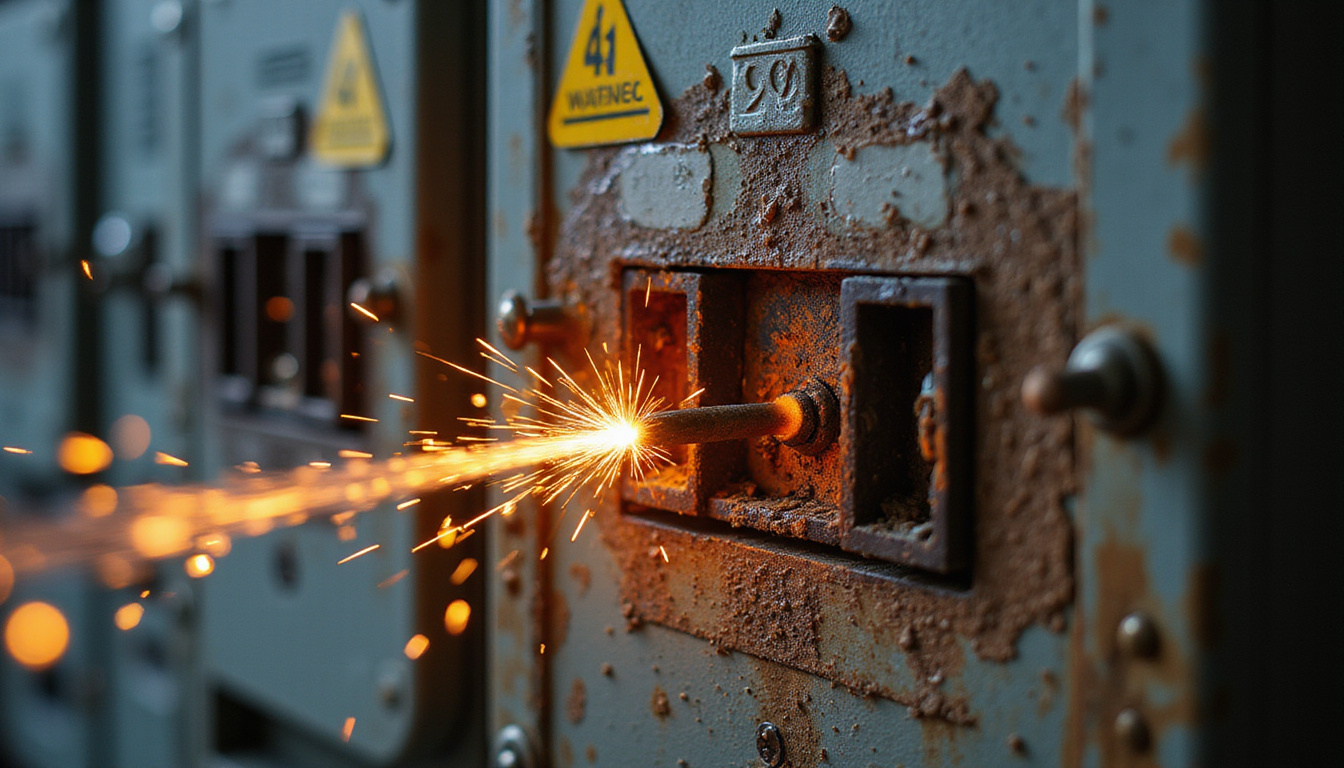
Waiting too long can lead to:
- Burned or melted breakers
- Panel replacement under emergency conditions
- Multiple circuits needing simultaneous upgrades
A proactive panel upgrade, combined with rewiring key circuits, is often cheaper and safer than waiting for failures.
Hidden Junction Boxes and Unsafe DIY Work
Many older homes have “mystery” junctions hidden behind drywall, ceiling material, or insulation—usually the result of unpermitted DIY work.
Consequences:
- Undetected loose connections
- Overheated wires hidden from view
- Failed inspections when selling or renovating
A thorough electrical inspection can uncover these before they cause a fire or major code issues.
Degraded Insulation and Rodent Damage
Over time, wire insulation can become brittle, crack, or be chewed by rodents.
Signs include:
- Odd burning smells in walls or ceilings
- Scorch marks near fixtures
- Tripping breakers with no clear cause
Catching localized damage early may allow for partial rewiring in affected areas instead of a whole-house project.
When Does Your Home Actually Need Full Electrical Rewiring?
Not every house with electrical quirks needs a complete overhaul. However, there are scenarios where full or near-full electrical rewiring is often the safest, most cost-effective choice.
You may need major rewiring if:
- Your home still relies heavily on knob-and-tube or aluminum branch circuits
- You’re planning a major renovation or addition and your current system is already maxed out
- An electrician finds widespread overheating, brittle insulation, or unsafe splices throughout
- You fail an electrical inspection for insurance or resale due to systemic issues
In many cases, rewiring is combined with:
- Upgrading the main service panel (e.g., to 150–200 amps)
- Adding dedicated circuits for high-demand appliances
- Installing modern AFCI and GFCI protection where required by code
Think of full electrical rewiring as a long-term investment: you pay more upfront, but you gain safety, reliability, and a system that can support future needs.
How to Proactively Check for Electrical Issues
You don’t need to become an electrician, but you can do basic checks and observations that help spot problems early.
Here’s a simple checklist you can walk through:
-
Walk each room at night
- Look for flickering or dimming lights.
- Note rooms where outlets are overloaded or heavily reliant on power strips.
-
Touch-test outlets and switches
- Gently feel faceplates after devices have been in use.
- Warm is a concern; hot is a warning—call a pro.
-
Listen and sniff
- Buzzing, crackling, or sizzling from switches, fixtures, or the panel is abnormal.
- Any burning or melting plastic odor needs immediate attention.
-
Inspect your panel (visually only)
- Look for rust, scorch marks, or signs of moisture.
- Note any handwritten labels like “spare” that are actually in use, which can indicate DIY alterations.
-
Check the age of your home and past upgrades
- If your home is 40+ years old and has never had a major electrical upgrade, schedule a professional inspection.
- Keep records of any past panel changes or rewiring work for future reference.
Working With an Electrician: Getting the Right Scope of Work
The difference between a good and bad electrical rewiring experience often comes down to planning and communication.
When you call a licensed electrician:
- Ask for a full safety inspection, not just a “quick look” at one problem area.
- Request a written report outlining issues found, urgency level, and recommended solutions.
- Clarify the scope: Are they suggesting targeted repairs, partial rewiring, or full rewiring? Why?
- Discuss future needs such as EV charging, workshops, or home offices so circuits are sized accordingly.
Get at least two quotes for major rewiring. A slightly higher bid from a reputable, well-reviewed contractor is usually worth it for such critical work.
FAQs About Electrical Rewiring and Home Safety
1. How do I know if my house needs rewiring or just minor electrical repairs?
If you have isolated issues—like one flickering light or a single warm outlet—minor repairs may solve the problem. However, widespread symptoms (frequent breaker trips across multiple rooms, many ungrounded outlets, old wiring types like knob-and-tube) often point to the need for more extensive electrical rewiring. A licensed electrician’s inspection is the most reliable way to know.
2. Is electrical rewiring in an older house always necessary?
Not always. Some older homes have already been upgraded over time. If your wiring is copper, grounded, and in good condition, you might only need selective updates. Rewiring becomes more likely if your home still uses outdated materials, has two-prong outlets everywhere, or shows signs of overheating and deterioration.
3. How disruptive and costly is whole-house electrical rewiring?
Electrical rewiring usually involves opening sections of walls and ceilings to pull new cables, which can be disruptive. Costs vary based on home size, accessibility, and local labor rates. It’s typically a multi-day (or multi-week) project. However, planning it before emergencies arise allows you to control the timeline, budget for the work, and coordinate any necessary wall repairs or painting afterward.
Don’t Wait for an Electrical Emergency—Act Now
Every year, homeowners face fires, shocks, and expensive repairs that could have been prevented by catching electrical problems early. If you’ve noticed flickering lights, frequent breaker trips, warm outlets, or you live in an older home with outdated wiring, don’t ignore those warning signs.
Schedule a professional electrical inspection, ask pointed questions about your wiring’s condition, and be open to targeted upgrades—or full electrical rewiring if it’s truly needed. A safe, modern electrical system protects your family, supports the way you live today, and adds long-term value to your home.
If you’re seeing any of the issues described here, contact a licensed electrician in your area today and request a thorough wiring assessment. Acting now can turn a potential crisis into a controlled, manageable upgrade—and give you peace of mind every time you flip a switch.