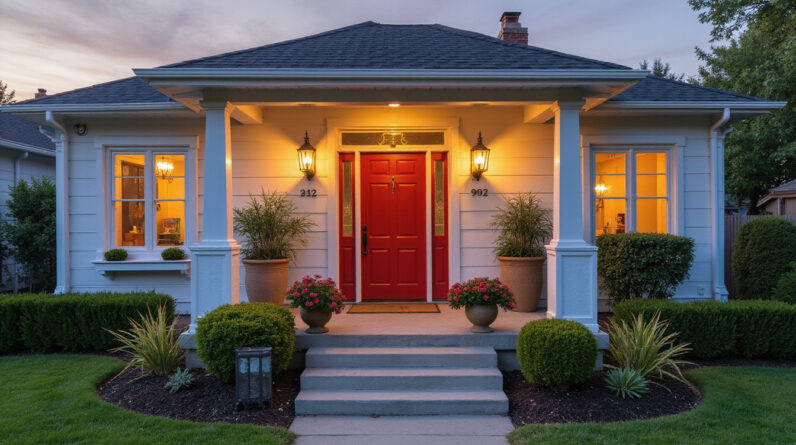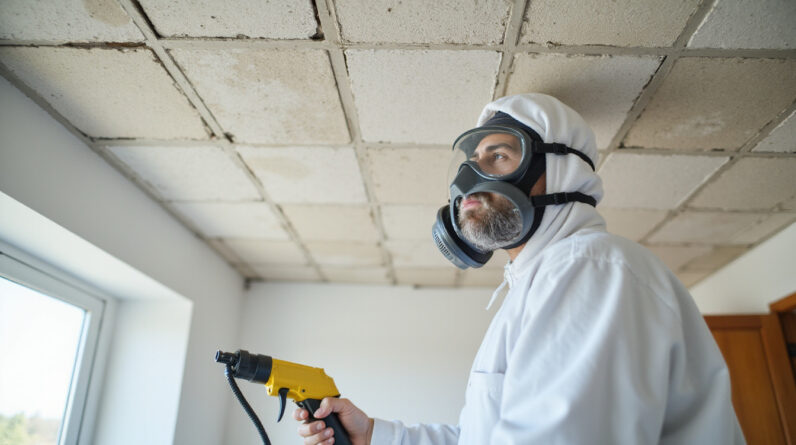


When it comes to enhancing your home’s curb appeal, exterior painting is one of the most transformative and cost-effective solutions. Whether you’re updating the look of your house, protecting it from the elements, or preparing to sell, knowing the right exterior painting tips can make all the difference. In this article, we’ll explore essential strategies for a successful exterior painting project that ensures a stunning, long-lasting finish.

Why Exterior Painting Matters
Exterior painting isn’t just about aesthetics. The right paint job also protects your home’s siding from moisture, UV rays, and temperature fluctuations. Over time, these factors can cause wood rot, chipping, or fading. By maintaining your home’s exterior paint, you preserve its structural integrity and boost its market value.
Essential Exterior Painting Tips To Get Started
1. Choose the Right Time to Paint
Timing can significantly impact the quality and durability of your exterior paint. Ideally, paint when temperatures are between 50°F and 85°F (10°C and 29°C), and avoid painting in direct, harsh sunlight or high humidity. Early fall and late spring typically offer the best conditions for exterior painting.
2. Invest in Quality Paint and Materials
The keyword in your project should be quality. Opt for premium exterior paints specifically formulated for your surface type—wood, stucco, brick, or vinyl. High-quality paints provide better coverage, resist fading, and offer superior protection. Don’t forget to use durable brushes, rollers, and sprayers to achieve a smooth, professional finish.
3. Prepare the Surface Thoroughly
Proper surface preparation is a crucial step that should never be skipped or rushed. Follow these steps for the best outcome:
- Clean the surface: Remove dirt, mildew, and loose paint by power washing or scrubbing with a solution of water and mild detergent.
- Scrape and sand: Remove peeling paint and smooth rough areas to ensure paint adhesion.
- Repair damages: Fill cracks and holes with appropriate fillers and allow adequate drying time.
- Prime: Apply a primer suited to your surface material, especially if you are painting over bare wood or significant repairs.
4. Pick the Right Color Palette
Selecting the right color is both an art and a science. Consider the architectural style of your home, neighborhood trends, and your personal preferences. Using lighter colors can reflect heat and help keep your home cool, while darker shades can create a bold statement. Always test your chosen colors on a small, inconspicuous area before committing.
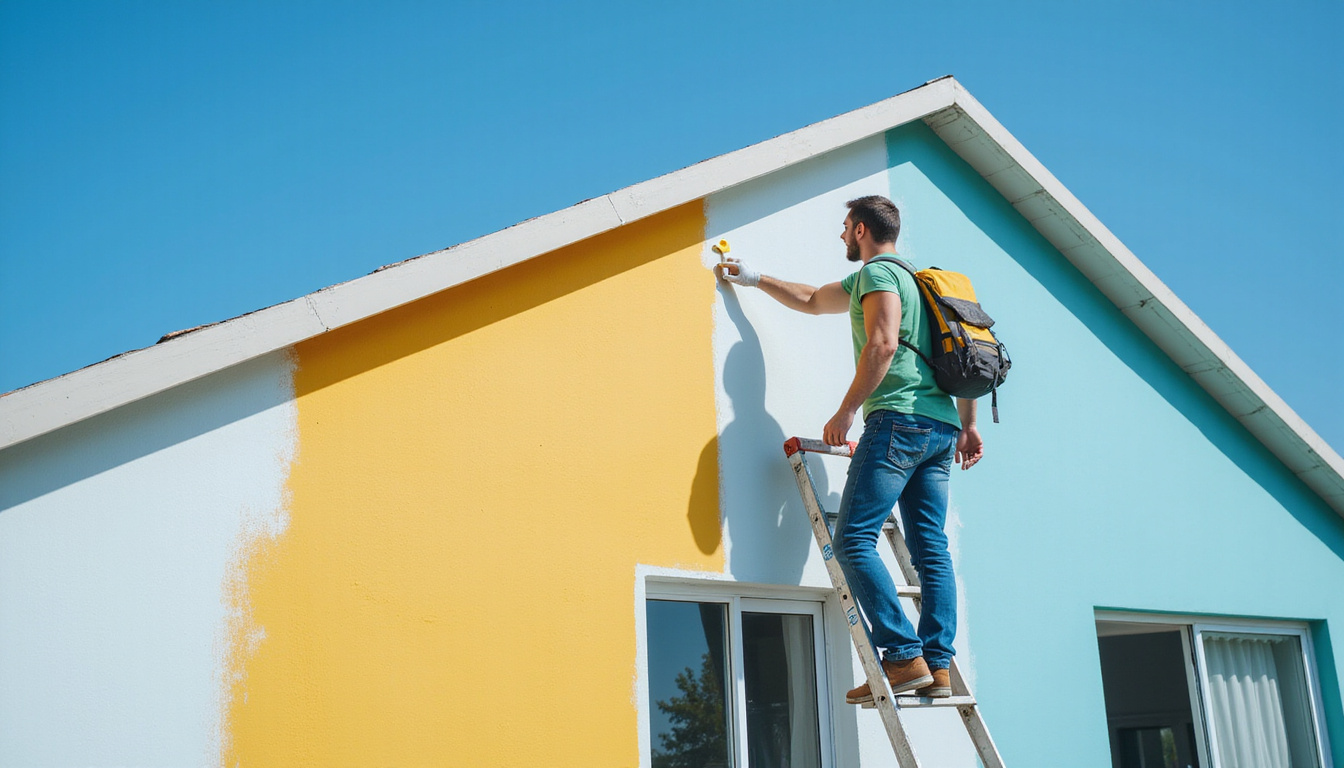
5. Use Proper Techniques and Tools
For the best results, apply paint consistently:
- Use brushes for edges and detailed areas.
- Use rollers or sprayers for large, flat surfaces.
- Apply multiple thin coats rather than one thick coat to avoid drips and ensure even coverage.
- Allow adequate drying time between coats as recommended by the manufacturer.
Safety Tips for Exterior Painting
Exterior painting involves working on ladders and handling chemicals. Keep these safety precautions in mind:
- Use sturdy ladders and ensure they are on level ground.
- Wear protective gear such as gloves, masks, and goggles.
- Avoid painting in windy conditions to prevent inhaling paint particles.
- Keep children and pets away from the painting area.
The Top 5 Benefits of Exterior Painting Your Home
Improving your home through exterior painting offers many rewards, such as:
- Enhanced curb appeal: A fresh paint job instantly boosts your home’s appearance.
- Increased property value: Attractive paint can increase resale value.
- Protection against elements: Quality paint acts as a waterproof and UV shield.
- Prevention of damage: Sealing cracks and repainting prevents decay and insect infestation.
- Personal satisfaction: A well-painted home invokes pride and a welcoming atmosphere.
Frequently Asked Questions About Exterior Painting
Q1: How often should I repaint the exterior of my home?
Most homes require exterior painting every 5 to 10 years, depending on paint quality, weather conditions, and the type of siding. Regular inspections help detect when repainting is necessary.
Q2: Can I paint over old exterior paint, or do I need to strip it first?
You don’t have to strip old paint if it is intact and adhering well. Clean the surface, remove any loose or peeling paint, sand rough areas, and apply a primer before painting.
Q3: What types of paint are best for exterior surfaces?
Acrylic latex paints are generally preferred for exterior surfaces due to their durability, water resistance, and ease of cleanup. Oil-based paints also provide strong adhesion but take longer to dry and require solvent cleanup.
Expert Recommendation for Exterior Painting
According to the Paint Quality Institute, selecting quality paint and proper surface preparation are the two most important factors influencing the longevity of your exterior paint job (source). Following their guidelines helps homeowners avoid costly repairs and frequent repainting.
Conclusion: Ready for Your Exterior Painting Project?
A gorgeous, durable exterior paint finish starts with detailed planning and execution. By considering the tips covered in this guide—choosing the right timing, investing in quality materials, preparing the surface properly, and using correct painting techniques—you will achieve a stunning home makeover that lasts for years. Don’t let faded or peeling paint detract from your home’s beauty; take action now and transform your house into the pride of your neighborhood.
Start your exterior painting project today and enjoy the rewarding transformation of your home’s façade!