

A stable home relies heavily on a solid foundation, making foundation repair a crucial aspect of maintaining your property’s integrity. Ignoring foundation problems can lead to serious structural issues, which may be costly to fix over time. Whether you’re a homeowner noticing cracks or a property manager preparing for maintenance, understanding the essentials of foundation repair is essential to safeguarding your investment.

In this article, we’ll walk you through key tips for foundation repair to help ensure your home remains secure, safe, and stable for years to come.
Understanding Foundation Problems: Early Signs to Watch For
Foundation issues often start subtly. Early identification is key to timely foundation repair and preventing further damage. Common warning signs include:
- Cracks in walls or floors: Hairline cracks around door frames, windows, or in the basement may indicate foundation movement.
- Uneven floors: Sloping or sagging floors are often a sign that the foundation has shifted.
- Doors or windows sticking: Difficulty opening or closing doors and windows can result from foundation settling or upheaval.
- Gaps around window frames or exterior doors: These gaps can allow drafts and moisture, worsening the damage over time.
Spotting these early signs allows you to act promptly and avoid more extensive foundation repair work down the line.
Causes of Foundation Damage
Before diving into repairs, it helps to understand what causes foundation problems. Common contributors include:
- Soil movement: Expansive clay soils swell and shrink with moisture changes, exerting pressure on foundations.
- Poor drainage: Water pooling around the foundation weakens soil support and promotes settling.
- Plumbing leaks: Hidden leaks can erode soil beneath the foundation.
- Tree roots: Roots growing near your foundation can disrupt the soil and cause cracks.
- Poor construction: Substandard materials or methods during initial construction can leave foundations vulnerable.
Understanding these causes can help prevent recurrence by addressing environmental and structural factors along with foundation repair.
Key Tips for Effective Foundation Repair
When it comes to foundation repair, precision and professionalism are crucial. Here are essential tips that homeowners and contractors should keep in mind:
1. Get a Professional Inspection
A licensed structural engineer or foundation expert should inspect your home to assess damage severity and recommend the best repair method. DIY guesses often miss underlying problems and may lead to incomplete or improper fixes.
2. Choose the Right Repair Method
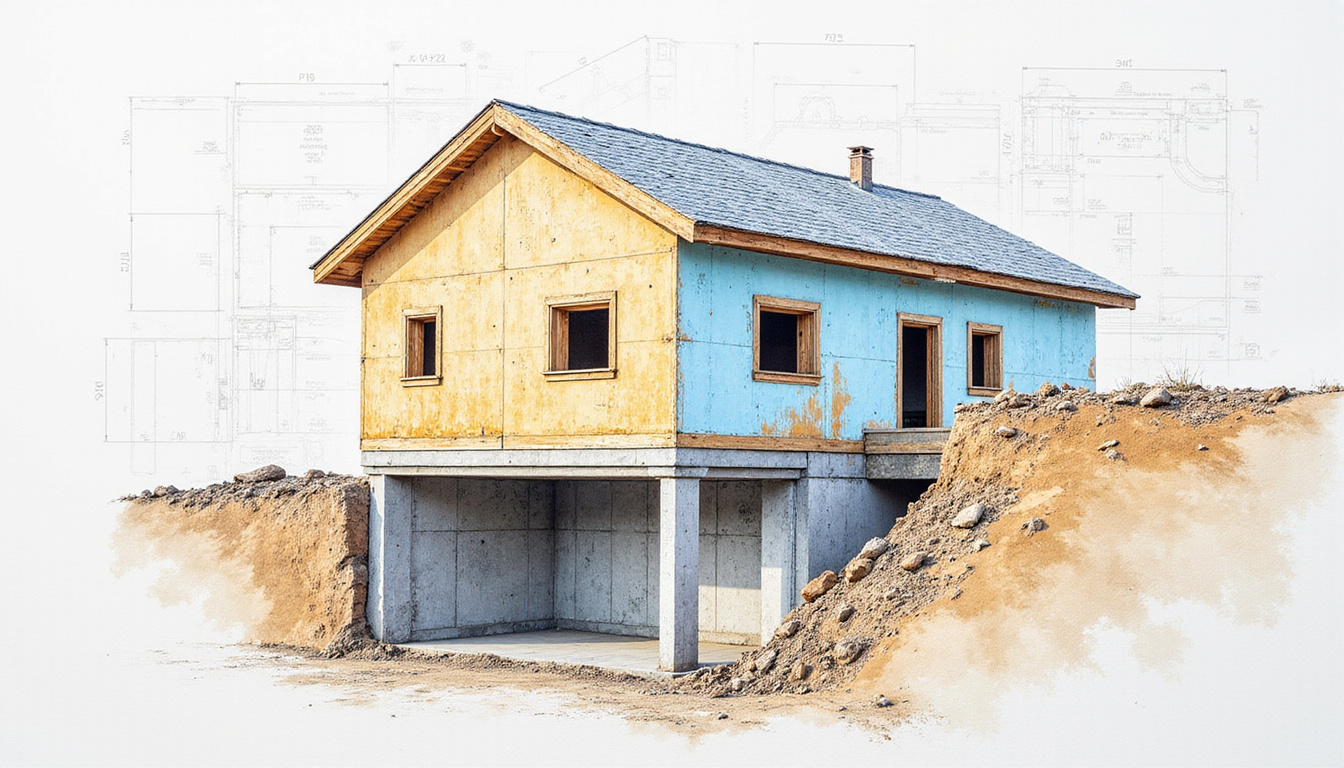
Foundation repair methods vary depending on soil type, damage extent, and foundation design. Common repair techniques include:
- Pier and Beam Repairs: Inserting steel piers deep into stable soil to lift and support the foundation.
- Slab Jacking: Injecting grout or foam beneath a settled slab to raise it back into position.
- Crack Injection: Using epoxy or polyurethane to seal foundation cracks and restore structural integrity.
- Drainage Correction: Installing French drains, gutters, or downspouts to redirect water away from the foundation.
Your expert will select the approach that best suits your home’s needs.
3. Maintain Consistent Moisture Levels
Uneven soil moisture is a major culprit in foundation shifts. Maintain consistent moisture around your foundation by:
- Watering the soil during dry spells
- Trimming trees and shrubs near the foundation
- Ensuring gutters and downspouts funnel water away from your home
This helps minimize soil movement and protects your foundation after repairs are done.
4. Regularly Monitor the Foundation’s Condition
After completing foundation repair, schedule annual inspections to monitor for signs of new or worsening issues. Early detection of potential problems allows for timely interventions, saving money and stress.
5. Hire Experienced Professionals
Foundation repair is complex and specialized. Hiring certified companies with proven track records, proper equipment, and insurance coverage ensures quality work that complies with local building codes.
Foundation Repair Cost Considerations
Costs for foundation repair can vary widely based on damage severity, repair type, and local labor rates. Some factors influencing price include:
- Extent of foundation settlement or damage
- Soil composition and site accessibility
- Repair materials used (steel piers vs. grout)
- Additional waterproofing or drainage work required
Typical foundation repair prices range from $2,000 to $10,000 or more. While it can feel like a significant investment, repairing foundation problems promptly preserves your home’s value and safety, reducing the risk of costly future damage.
Preventive Measures to Avoid Future Foundation Issues
In addition to repairing existing damage, take preventive steps to reinforce your home’s foundation:
- Improve Drainage: Ensure yard grading slopes away from the house and that gutters funnel water far from the foundation.
- Control Vegetation: Avoid planting large trees close to the foundation and keep roots away to limit soil disruption.
- Maintain Plumbing: Repair leaks rapidly to avoid soil erosion under the foundation.
- Regular Foundation Inspections: Invest in periodic professional evaluations, especially after extreme weather events.
Proper maintenance and early intervention are key to extending the lifespan of your home’s foundation.
FAQ About Foundation Repair
Q1: How long does foundation repair usually last?
A1: With proper repair techniques and maintenance, foundation repairs can last several decades. Regular monitoring and upkeep are essential to ensure longevity.
Q2: Can foundation repair be a DIY project?
A2: Foundation repair involves complex structural work best handled by licensed professionals. DIY attempts risk incomplete repairs and potential safety hazards.
Q3: How soon should I address signs of foundation damage?
A3: It’s important to consult a foundation expert as soon as you notice symptoms like cracks, shifting floors, or sticking doors to prevent escalating damage.
Authoritative Source
For detailed guidelines on foundation inspection and repair, the U.S. Department of Housing and Urban Development (HUD) provides extensive resources on maintaining and repairing residential foundations (source).
Conclusion: Secure Your Home with Expert Foundation Repair
Your home’s foundation is literally its backbone—when that’s compromised, everything else is at risk. By understanding the key tips outlined here, you can identify foundation issues early, choose the right repair methods, and maintain your home’s structural stability long-term.
Don’t wait until cracks widen or floors sag dangerously. Contact a trusted foundation repair professional today to evaluate your home and secure your investment. With expert advice and quality repairs, you’ll enjoy peace of mind knowing your home stands on a solid, stable foundation for decades to come.