

Green Roof Solutions That Slash Energy Bills and Boost Curb Appeal
A well-designed green roof can do far more than make your home or building look attractive. It can significantly lower your energy bills, extend roof life, reduce noise, and even help manage stormwater. Whether you’re a homeowner, property manager, or architect, understanding today’s green roof solutions will help you decide if this fast-growing trend is right for your project.

What Is a Green Roof?
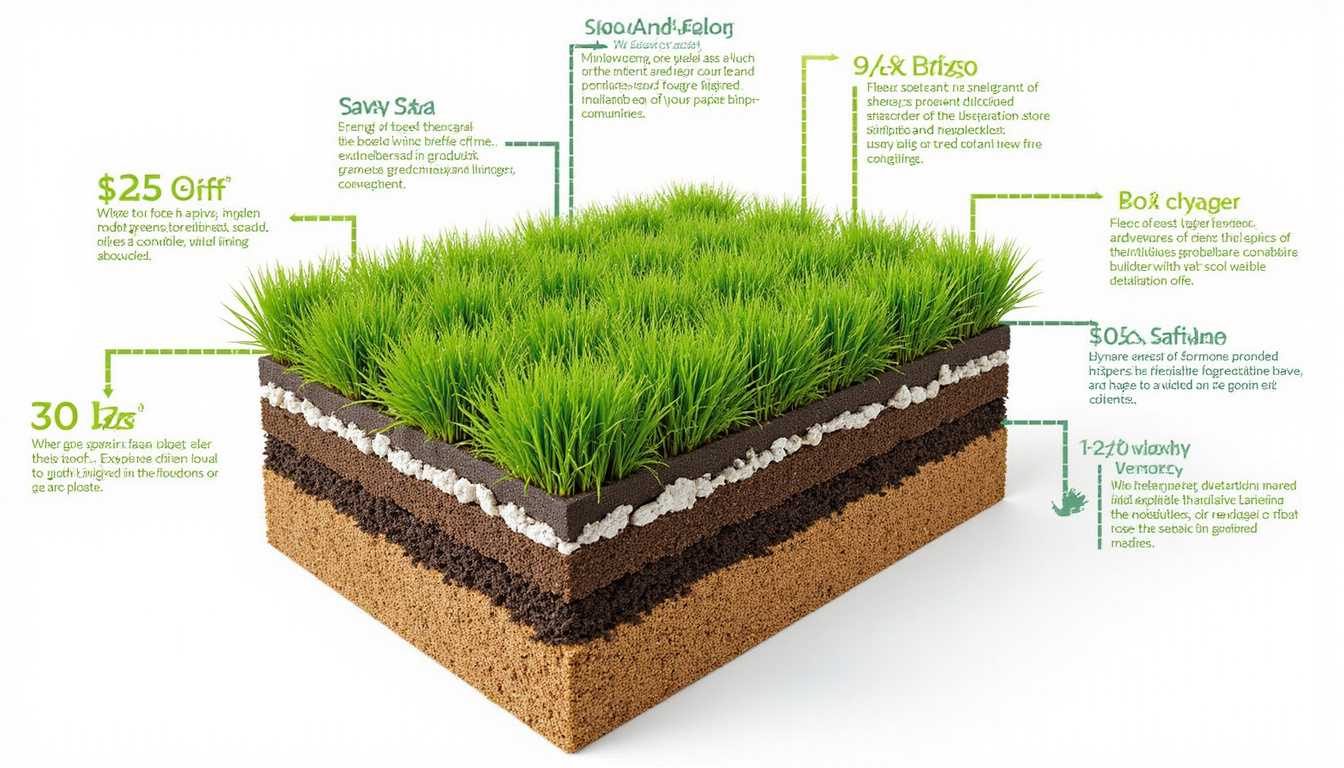
A green roof (also called a living roof or vegetated roof) is a roofing system that incorporates plants, growing medium, and specialized layers on top of a traditional roof structure. Instead of conventional shingles or membrane alone, a green roof adds:
- A waterproofing and root barrier layer
- A drainage and/or water retention layer
- Growing medium (engineered soil)
- Vegetation (sedums, grasses, wildflowers, shrubs, or even trees on some systems)
There are three primary types of green roof systems:
- Extensive green roofs – Lightweight, shallow (2–6 inches of growing medium), low-maintenance plants like sedums. Ideal for retrofits and large roofs.
- Semi-intensive green roofs – Medium-depth (6–10 inches), more plant variety including grasses and perennials.
- Intensive green roofs – Deep soil (10+ inches), support shrubs and small trees, can function as full rooftop gardens or parks. Heavier and costlier, but offer the most amenities.
How Green Roofs Slash Energy Bills
One of the most compelling reasons to install a green roof is energy savings. The combination of vegetation and soil creates powerful insulating and cooling effects that reduce heating and cooling loads year-round.
Lower Cooling Costs in Summer
Traditional dark roofs absorb a lot of solar radiation, heating up your building and driving air conditioning costs. Green roofs work differently:
- Shading and evapotranspiration: Plants shade the roof surface and cool the air as they release water vapor.
- Thermal mass: The growing medium absorbs and slowly releases heat, smoothing out temperature spikes.
- Reduced heat flux: Less heat passes into the building, especially during peak afternoon hours.
Studies have found that green roofs can reduce summertime roof surface temperatures by 30–40°C (source: U.S. General Services Administration) and cut cooling energy demand by up to 25% in some buildings, depending on climate and design.
Improved Insulation in Winter
While the primary energy benefit is summer cooling, a well-designed green roof also:
- Adds an extra insulating layer above the roof membrane
- Reduces heat loss through the roof
- Decreases temperature fluctuations on the roof surface, boosting thermal comfort
In cold climates, this can translate into lower heating costs, especially when combined with adequate conventional insulation.
Reduced Urban Heat Island Effect
On a neighborhood or city scale, multiple green roofs help cool the local microclimate by replacing heat-absorbing surfaces with vegetation. This lowers ambient temperatures and can indirectly reduce energy bills across an entire district.
Curb Appeal: Turning Your Roof Into a Design Asset
Beyond energy savings, a green roof transforms a purely functional surface into a visible design feature that can dramatically enhance curb appeal and property value.
Visual Impact From the Street and Above
A green roof:
- Softens the appearance of flat or low-slope roofs
- Adds color and seasonal interest with flowers and textures
- Creates a more natural, harmonious view for neighboring buildings and upper floors
If your home or commercial building is on a slope or overlooked by taller structures, the rooftop becomes part of the visible “façade.” A lush green roof can be the feature that sets your property apart in real estate listings or commercial marketing materials.
Enhancing Outdoor Living Space
Intensive and some semi-intensive green roofs can double as usable outdoor spaces:
- Rooftop gardens with seating areas
- Patio spaces with ornamental grasses and perennials
- Urban “backyards” for condos and apartments
This additional amenity can significantly increase perceived value, lease rates, or buyer interest.
Supporting Brand and Values
For businesses, a green roof:
- Visually communicates a commitment to sustainability
- Creates opportunities for signage, tours, or marketing content
- Can contribute to green building certifications like LEED, WELL, or BREEAM
The roof becomes part of your brand story, not just a line item in the maintenance budget.
Key Components of a High-Performance Green Roof
Getting the benefits of a green roof depends on proper design and materials. A typical system includes:
-
Structural support
The roof deck and building structure must safely carry the added load of soil, plants, water, and snow. Structural assessment is essential. -
Waterproofing membrane
A high-quality, root-resistant or protected membrane prevents leaks and protects the building. Common materials include modified bitumen, single-ply membranes, or liquid-applied systems. -
Root barrier
Prevents plant roots from penetrating the waterproofing layer. -
Drainage and water retention layer
Manages excess water while holding enough moisture for plants. Often a lightweight plastic or mineral layer with channels or cups. -
Filter fabric
Keeps fine soil particles from clogging the drainage layer. -
Growing medium
A specially engineered lightweight “soil” mix that drains well, resists compaction, and provides nutrients. -
Vegetation layer
Selected based on climate, roof depth, sunlight, and desired appearance.
Each layer plays a role in energy performance, stormwater management, and longevity.
Choosing the Right Green Roof for Your Building
Not every building needs an intensive rooftop park. Matching the system to your goals and constraints is essential.
Clarify Your Priorities
Before you design, decide your top objectives:
- Maximize energy savings
- Improve stormwater management
- Boost curb appeal and aesthetics
- Create usable outdoor space
- Support biodiversity and pollinators
Your priorities will guide depth, plant choices, and budget.
Evaluate Structural Capacity
A structural engineer should determine:
- Existing load-bearing capacity
- Additional live and dead loads a green roof can safely add
- Whether reinforcement or limiting to an extensive system is required
Lightweight extensive systems are feasible for most retrofits; intensive systems are better suited to new construction or heavily reinforced structures.
Consider Climate and Orientation
Local climate shapes your design:
- Hot and dry: Drought-tolerant sedums and natives, efficient irrigation
- Cold and snowy: Hardy perennials, attention to freeze-thaw cycles
- Humid and warm: Plant choices resistant to mold and disease
Roof orientation (north, south, east, west) and surrounding shade also affect plant selection and energy performance.
Cost, ROI, and Long-Term Savings
A green roof often costs more upfront than a conventional roof, but the lifetime value can be significantly higher when you factor in energy savings and extended roof life.
Typical Cost Ranges
Costs vary by region and complexity, but ballpark figures per square foot:
- Extensive green roof: $10–$25
- Semi-intensive: $20–$35
- Intensive: $35–$60+
These figures include materials and installation but not major structural upgrades if required.
Where the Savings Come From
Your return on investment comes from multiple sources:
- Energy savings: Lower heating and cooling bills
- Extended membrane life: Protection from UV and temperature swings can double or triple roof life
- Stormwater fee reductions (in some cities): Credits or lower fees for reduced runoff
- Increased property value: Higher resale value or rent premiums
- Reduced noise and better comfort: Valuable for tenants and occupants
In many cases, total lifecycle cost (over 30–40 years) is lower for a green roof than for multiple cycles of conventional reroofing.
Incentives and Financing
Check local and regional programs for:
- Rebates or grants for green infrastructure
- Tax incentives for energy efficiency or stormwater management
- Low-interest loans for sustainable building upgrades
These can significantly offset initial costs and accelerate payback.
Practical Steps to Plan Your Green Roof
If you’re serious about installing a green roof, move methodically:
-
Structural assessment
Hire a structural engineer to evaluate your roof’s load capacity. -
Define scope and budget
Decide between extensive vs. intensive, full vs. partial coverage, and whether you want occupant access. -
Engage specialists
Work with an experienced green roof designer or contractor familiar with climate-appropriate systems. -
Select system and plants
Choose a tested green roof system and plant palette suited to your region, goals, and maintenance capacity. -
Plan for irrigation and access
Even low-maintenance roofs may need supplemental irrigation, especially in the first couple of years. Ensure safe access for installation and maintenance. -
Integrate with other upgrades
Consider timing your green roof installation with roof replacement, solar panel installation (creating a “biosolar roof”), or insulation upgrades.
Maintenance: Keeping Your Green Roof Thriving
Green roofs are not maintenance-free, but they can be low-maintenance if designed well.
Typical Maintenance Tasks
-
First 1–2 years
- Regular weeding to prevent invasive species
- Irrigation during dry periods
- Plant replacements where necessary
-
Ongoing (after establishment)
- 2–4 inspections per year
- Clearing drains and gutters
- Light weeding and spot replanting
- Fertilization as needed, based on soil tests
Extensive systems may require just a few hours of maintenance per year per 1,000 square feet; intensive roofs with public access will naturally need more upkeep.
Environmental Benefits Beyond Energy and Aesthetics
Modern building owners are increasingly drawn to green roofs for their broader environmental impact:
- Stormwater management – Retention and slowed runoff reduce pressure on sewers and minimize flooding
- Air quality improvement – Plants capture particulates and pollutants
- Biodiversity support – Habitat for birds, insects, and pollinators
- Noise reduction – Soil and plants dampen external noise, especially in urban areas
These benefits align with ESG goals and community sustainability plans.
FAQ: Green Roofs and Energy-Efficient Roofing
1. Are green roofs worth it for residential homes?
Yes, residential green roofs can be worthwhile, especially on flat or gently sloped roofs. Homeowners often choose extensive systems to keep weight and cost down while gaining benefits like lower cooling bills, improved curb appeal, and extended membrane life. The value is greatest where energy costs are high or where the roof is highly visible.
2. How long does a living roof last compared to a conventional roof?
A properly installed living roof can significantly extend the lifespan of the underlying membrane. While typical conventional roofs may last 15–25 years, a protected membrane under a vegetated roof can often last 30–50 years or more, because it’s shielded from UV radiation, physical damage, and extreme temperature swings.
3. Can I combine a vegetated roof with solar panels?
Yes. Biosolar designs pair a vegetated roof with solar PV. The green roof keeps the roof surface cooler, which can improve solar panel efficiency, while the panels provide partial shade that can benefit some plant communities. The systems must be coordinated so that weight, access, and drainage are properly managed.
Turn Your Roof Into an Asset
A thoughtfully designed green roof is more than an eco-friendly statement. It’s a practical investment that can lower your energy bills, protect your building, and dramatically elevate curb appeal. Whether you opt for a simple extensive system or a full rooftop garden, you’ll transform wasted space into a valuable, living asset.
If you’re ready to explore what a green roof could do for your property, start by speaking with a structural engineer and a qualified green roof installer in your area. With the right team and design, your next roofing project can pay you back in savings, beauty, and long-term resilience for decades to come.