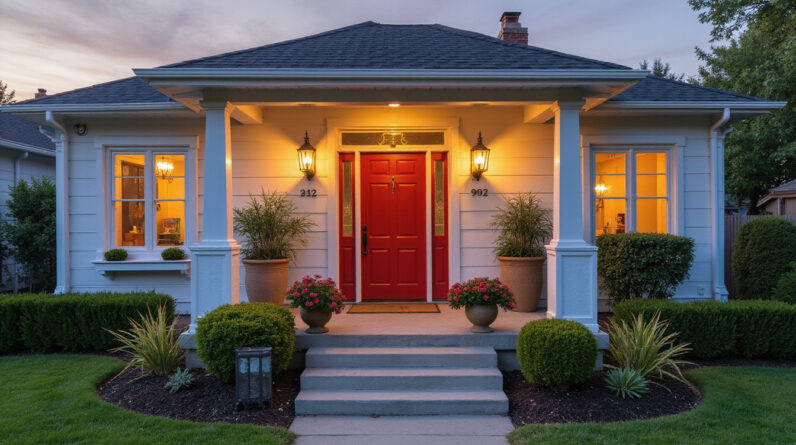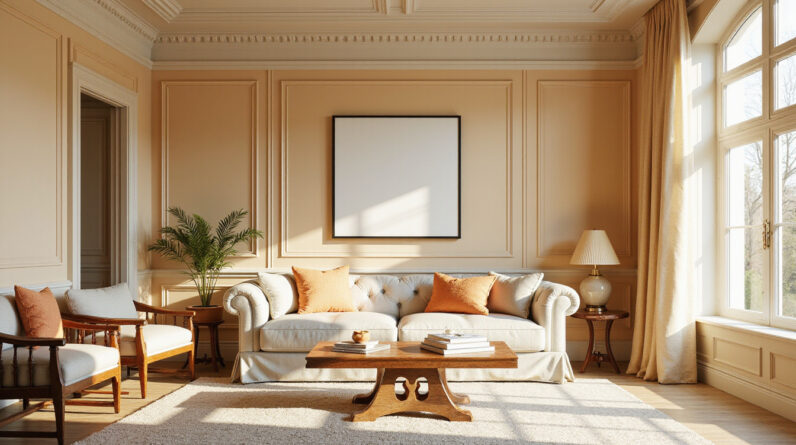


If you’re considering expanding your living area, a home extension is one of the most effective ways to maximize your property’s potential. Whether you need more space for a growing family, a dedicated home office, or a cozy entertainment room, thoughtful home extension ideas can transform your space while adding value to your property. In this article, we’ll explore the latest trends, expert tips, and practical considerations to help you plan a seamless and stylish home extension that meets your needs.

Why Consider a Home Extension?
Many homeowners find that relocating isn’t always practical or desirable. Instead, extending your existing property offers several benefits:
- Increases living space without the hassle of moving
- Enhances property value significantly
- Allows customization to suit your lifestyle
- Makes use of your existing plot efficiently
Understanding what type of extension works best for your home is the first step toward a successful project.
Popular Home Extension Ideas to Inspire You
There’s a wide range of home extension ideas, from simple single-storey additions to complex multi-level builds. Here are some popular choices:
1. Single-Storey Rear Extension
Ideal for creating open-plan kitchens, dining areas, or sunrooms, rear extensions typically extend your living space into the garden without affecting the street appearance.
2. Two-Storey Side Extension
This option adds substantial space both upstairs and downstairs, perfect for adding extra bedrooms or bathrooms without compromising garden size too much.
3. Loft Conversion
While technically not a traditional extension, loft conversions expand your home’s usable area vertically and can be combined with dormer windows to boost headroom.
4. Wraparound Extension
Combining rear and side extensions, wraparound extensions create a large open space that floods the interior with natural light.
5. Conservatory or Sunroom Extension
Perfect for garden lovers, conservatories bring the outdoors in, offering a bright additional space to relax year-round.
Key Considerations for Your Home Extension Project
Before diving into your home extension, keep these essential factors in mind:
- Planning Permission: Check local council regulations, as larger extensions often require consent. Engaging a professional architect can help navigate the process.
- Budget: Establish a clear budget covering materials, labor, design fees, and contingencies. Extensions can vary widely in cost depending on complexity.
- Design Consistency: Your extension should complement the existing architecture of your home to maintain aesthetic harmony.
- Structural Integrity: Work with qualified structural engineers to ensure the extension will be safe and sound.
- Sustainability: Consider environmentally friendly materials and energy-efficient designs to minimize running costs and carbon footprint.
Expert Tips to Maximize the Impact of Your Home Extension
Optimize Natural Light
Incorporate large windows, skylights, or glass doors to invite natural light into your extension, creating a bright and welcoming space.
Prioritize Open-Plan Living
Modern home extensions favor open layouts that combine kitchen, dining, and lounge areas, perfect for family time and entertaining guests.
Use Flexible Spaces
Design multipurpose rooms that can adapt as your family’s needs change, such as adding foldable partitions or modular furniture.
Blend Indoor and Outdoor Living
Include bi-fold or sliding doors that connect seamlessly to your garden or patio, enhancing your sense of space.
Invest in Quality Finishes
High-quality materials and craftsmanship pay off in durability and aesthetic appeal, ensuring your extension looks and feels premium.
Step-by-Step Guide to Planning Your Home Extension
- Assess Your Needs and Goals: Identify why you need the extension and what you want to achieve.
- Set a Realistic Budget: Research typical costs and allocate funds wisely.
- Consult Professionals: Engage architects, builders, and surveyors early to get expert advice.
- Obtain Permissions: Submit necessary planning applications and gain approvals.
- Design Your Extension: Collaborate with your architect to create detailed plans.
- Hire Trusted Contractors: Choose experienced builders with good references.
- Monitor Construction: Stay involved during the build to address issues promptly.
- Finish and Furnish: Add lighting, decor, and furniture to personalize your new space.
Trending Home Extension Styles for 2024
This year’s home extension trends embrace both functionality and style. Some leading trends include:
- Biophilic Design Elements: Using natural materials and incorporating greenery indoors.
- Minimalist Scandinavian Aesthetics: Clean lines, neutral palettes, and simplicity.
- Smart Home Integration: Adding technology for climate control, lighting, and security.
- Sustainable Building Practices: Passive heating, solar panels, and recycled materials.
- Industrial Chic Finishes: Exposed brick, steel accents, and concrete for a modern vibe.
These trends align with a growing demand for homes that are stylish, environmentally conscious, and adaptable.

FAQ About Home Extensions
Q1: How much does a typical home extension cost?
Costs vary widely depending on size, materials, and location, but average prices can range from £1,400 to £2,500 per square meter in the UK. Detailed quotes from builders will provide the best estimate.
Q2: Do I always need planning permission for a home extension?
Not always. Many single-storey extensions qualify for permitted development rights, but larger or more complex builds usually require planning permission. Always check with your local planning authority.
Q3: How long does it take to complete a home extension?
Most home extensions take between 3 to 6 months from design to completion, depending on the scope and complexity.
Conclusion: Start Planning Your Perfect Home Extension Today
A thoughtfully planned home extension can dramatically improve your living space and enhance your property’s value and appeal. By exploring a range of design ideas, understanding costs and legalities, and incorporating current trends, you can create an extension that perfectly suits your lifestyle and future needs. Remember, consulting experienced professionals from the outset ensures your project runs smoothly and efficiently.
Ready to transform your home with a tailor-made extension? Begin by sketching your ideas and reaching out to trusted architects or builders to bring your vision to life—your dream home awaits!
For more detailed guidance on home extensions and the latest planning regulations, visit the Royal Institute of British Architects (RIBA) (source).