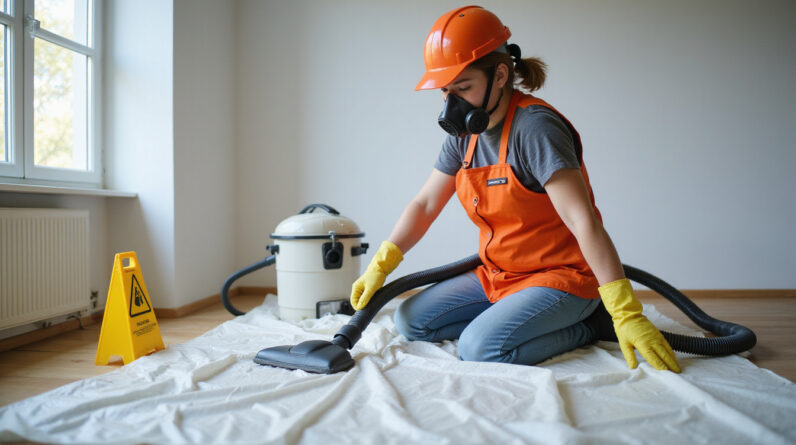


When it comes to creating a comfortable living space and reducing energy bills, selecting the right home insulation materials is crucial. Proper insulation keeps your home warm during the winter, cool in the summer, and helps maintain a consistent indoor temperature year-round. This not only enhances your comfort but also minimizes your energy consumption, leading to significant savings on utility costs. In this article, we’ll explore the best home insulation materials available in the market and how they can contribute to a more energy-efficient and comfortable home.

Why Choosing the Right Home Insulation Materials Matters
Home insulation acts as a barrier to heat flow, preventing warm air from escaping your home in winter and blocking heat from entering during summer. Without effective insulation, your HVAC system has to work harder, increasing energy usage and expenses.
Using quality home insulation materials offers benefits such as:
- Lower energy bills due to improved temperature regulation
- Increased indoor comfort by reducing drafts and cold spots
- Noise reduction from external sources
- Enhanced home durability and moisture control
Understanding the different types of insulation materials is key to making an informed decision tailored to your home’s needs.
Common Types of Home Insulation Materials
Home insulation materials come in various forms, each with unique properties and applications. Below are some of the most popular choices:
1. Fiberglass Insulation
Fiberglass is one of the most widely used insulation materials. It consists of fine glass fibers and is available in batts, rolls, and loose-fill forms. Fiberglass has a high R-value (a measure of thermal resistance), making it effective against heat flow.
Pros:
- Affordable and widely available
- Non-combustible and fire resistant
- Easy to install in walls, floors, and attics
Cons:
- Can cause skin and respiratory irritation during installation
- Loses effectiveness if compressed or gets wet
2. Spray Foam Insulation
Spray foam is a liquid polyurethane material that expands quickly to fill gaps and cracks. It provides an excellent air seal and has one of the highest R-values per inch among insulation types.
Pros:
- Great air sealing properties prevent leaks and drafts
- Adds structural strength to walls
- Moisture resistant
Cons:
- More expensive than traditional insulation
- Requires professional installation
- Can off-gas chemical odors during application
3. Cellulose Insulation
Made primarily from recycled paper treated with fire retardants, cellulose is an eco-friendly option often used as loose-fill in attics and wall cavities.
Pros:
- Environmentally friendly due to recycled content
- Good thermal performance and sound insulation
- Affordable
Cons:
- Can settle over time, reducing effectiveness
- Susceptible to moisture damage if not properly installed
4. Mineral Wool (Rock Wool) Insulation
Mineral wool is made from volcanic rock or slag and comes in batts or loose-fill form. It’s fire resistant and offers good soundproofing.
Pros:
- Excellent fire resistance and thermal properties
- Resistant to mold, mildew, and pests
- Good sound absorption
Cons:
- Slightly higher cost than fiberglass
- Can be itchy during installation
5. Reflective or Radiant Barrier Insulation
Typically installed in attics, this type of insulation uses reflective foil or coatings to reduce radiant heat transfer.
Pros:
- Effective in hot climates by reflecting radiant heat
- Lightweight and easy to install
- Can complement other insulation types
Cons:
- Less effective in colder climates
- Needs an air space to work properly
How to Choose the Best Home Insulation Materials
When deciding on the best insulation materials for your home, consider the following factors:
- Climate zone: Some materials perform better in hot climates, others excel in cold regions.
- Area of application: Attics, walls, floors, and basements may require different insulation types.
- Budget: Balance upfront costs with long-term energy savings.
- Environmental impact: If sustainability is a priority, consider recycled or natural materials.
- Installation: Some materials require professional installation, while others can be DIY projects.
Consulting with an energy auditor or insulation expert can help you identify problem areas and recommend the ideal insulation approach for your home.

Benefits of Upgrading or Adding Home Insulation Materials
Investing in upgraded or additional insulation materials can yield substantial benefits:
- Energy savings: Proper insulation can reduce heating and cooling costs by up to 20% or more.
- Increased comfort: Reduced drafts and consistent temperatures improve your living environment.
- Environmental impact: Lower energy consumption means reduced greenhouse gas emissions.
- Home value: Energy-efficient homes are attractive to buyers and may increase property value.
According to the U.S. Department of Energy, adding insulation is one of the most cost-effective ways to improve a home’s energy efficiency (source).
Top Tips for Installing and Maintaining Home Insulation Materials
To maximize the effectiveness of your home insulation materials, consider these tips:
- Seal gaps and cracks first: Insulation works best when paired with proper air sealing.
- Avoid compressing insulation: Compressed insulation loses its insulating power.
- Protect insulation from moisture: Use vapor barriers and ensure proper ventilation.
- Inspect periodically: Check for signs of damage, settling, or moisture buildup.
- Hire professionals for complex installations: Spray foam or difficult-to-access areas should be handled by experts.
Frequently Asked Questions About Home Insulation Materials
1. What is the best type of home insulation material for energy efficiency?
Spray foam insulation generally offers the highest R-value and air sealing capabilities, making it one of the best for energy efficiency. However, cost and installation requirements might influence your choice.
2. Are eco-friendly home insulation materials effective?
Yes, options like cellulose and mineral wool provide good insulation performance while being more sustainable due to recycled content and lower environmental impact.
3. Can I install home insulation materials myself?
Some types, like fiberglass batts or reflective foil insulation, can be installed by homeowners. However, spray foam and certain loose-fill products often require professional installation for safety and best results.
Conclusion: Enhance Your Home’s Efficiency with the Right Insulation Materials
Choosing the right home insulation materials is an essential step toward enhancing your home’s comfort, reducing energy consumption, and lowering utility bills. Whether you opt for fiberglass batts, spray foam, cellulose, or mineral wool, the right insulation tailored to your specific needs can make a world of difference. Don’t wait for extreme weather to expose your home’s inefficiencies—invest in proper insulation now and enjoy a cozy, energy-efficient home year-round.
Ready to boost your home’s comfort and save money on energy bills? Contact a certified insulation professional today to evaluate your home and help you select and install the best insulation materials tailored for your needs!