

Embarking on a home remodeling project can be both exciting and overwhelming. Whether you aim to enhance your home’s aesthetic appeal, increase functionality, or boost its market value, strategic planning is essential. This article delves into expert home remodeling tips that will help you transform your space efficiently and beautifully. From initial planning to execution, these insights will guide you through making your home remodeling dreams a reality.

Understanding the Importance of Home Remodeling
Home remodeling goes beyond just making your living space look fresh; it is about creating an environment that reflects your lifestyle and meets your practical needs. Remodeling can range from minor updates like painting and changing fixtures to major renovations like kitchen overhauls or adding new rooms. Not only does it improve comfort, but well-executed remodeling can significantly increase the resale value of your home.
Key Steps Before You Start Your Home Remodeling Project
Planning is the foundation of every successful home remodeling project. By setting clear goals and budgets upfront, you’ll avoid costly surprises later. Consider the following steps:
-
Assess Your Needs and Priorities
Identify what you want to achieve. Are you remodeling for personal comfort or preparing to sell? This will influence your design choices and budget. -
Set a Realistic Budget
Determine how much you can afford to invest. Remember to allocate a contingency fund of 10–20% for unexpected expenses. -
Research and Hire Professionals
A qualified contractor or designer can offer valuable insights and ensure compliance with building codes and quality standards. -
Create a Detailed Plan and Timeline
Outline the scope of work, materials needed, and a realistic schedule for completion.
Top Home Remodeling Tips to Transform Your Space
Enhance your remodeling project by incorporating these expert strategies:
1. Focus on High-Impact Areas
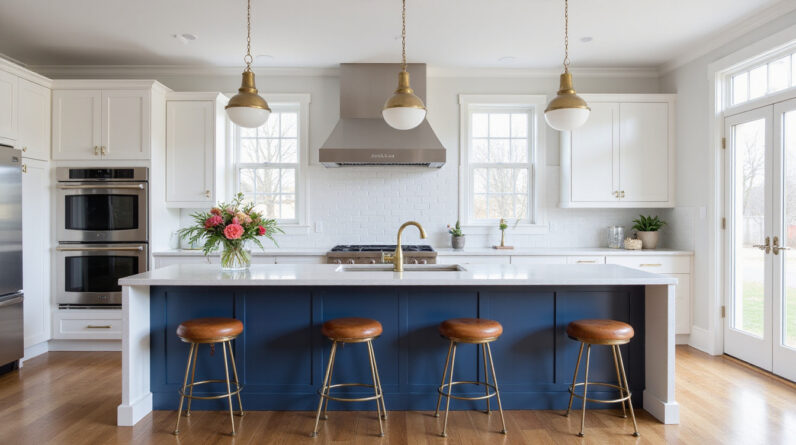
Certain areas in your home yield better returns on investment when remodeled. Kitchens and bathrooms are prime examples, offering both functional and aesthetic improvements. Consider upgrading countertops, modernizing cabinetry, or installing energy-efficient fixtures.
2. Embrace an Open Floor Plan
Modern living favors open, airy spaces that promote interaction and maximize natural light. Removing non-load-bearing walls between kitchens, dining rooms, and living areas can dramatically improve the flow and feel of your home.

3. Invest in Quality Materials
Durability and style go hand in hand. High-quality materials might cost more upfront but save in long-term maintenance and add lasting value. Opt for hardwood floors, quartz countertops, or custom cabinetry when possible.
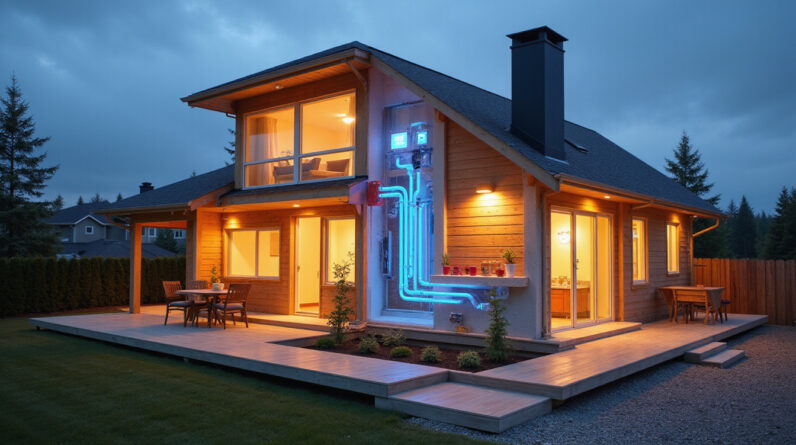
4. Incorporate Energy-Efficient Features
Sustainable remodeling enhances comfort while lowering utility bills. Installing double-pane windows, LED lighting, and Energy Star-rated appliances are practical upgrades. According to the U.S. Department of Energy, energy-efficient renovations can reduce home energy use by up to 30% (source).
5. Use Neutral Colors with Accent Hues
Neutral palettes create versatile backdrops ideal for future décor changes. You can add personality with accent walls, colorful furnishings, or artwork without overwhelming the space.
Home Remodeling Mistakes to Avoid
Avoid common pitfalls by keeping these points in mind:
- Neglecting Permits: Always check local building regulations to avoid costly fines and rework.
- Over-Improving: Match your remodeling budget with neighborhood property values to prevent overinvestment.
- Ignoring Lighting: Good lighting affects ambiance and functionality; plan layered lighting throughout.
- Skipping a Professional Inspection: Before remodeling, especially structural changes, get your home assessed.
Essential Tools and Resources for DIY Home Remodeling
If you prefer a hands-on approach, having the right tools is crucial. Tools like power drills, stud finders, levelers, and paint sprayers can make projects smoother. Numerous online platforms offer tutorials on remodeling techniques ranging from drywall patching to tile installation.
Frequently Asked Questions (FAQ)
Q1: How do I start a home remodeling project on a tight budget?
A1: Begin by prioritizing essential improvements that impact safety or functionality, like fixing leaks or upgrading insulation. Use cost-effective materials and consider DIY options where feasible to save money.
Q2: What are the most popular home remodeling trends right now?
A2: Open-concept layouts, eco-friendly materials, smart home technology integration, and multifunctional spaces are trending in current home remodeling projects.
Q3: How long does a typical home remodeling project take?
A3: The duration depends on the scope—minor renovations may take a few weeks, while full-scale remodels can last several months. Planning and hiring experienced professionals can help keep timelines on track.
Conclusion: Ready to Transform Your Home?
Home remodeling is your opportunity to tailor your living environment to your unique taste and needs. By following expert strategies—from thoughtful planning to choosing quality materials and avoiding common mistakes—you can transform your space into a sanctuary that enhances everyday living and adds value. Don’t hesitate to invest in your home’s future; start mapping out your remodeling project today and watch your vision come alive!
If you’re ready to take the next step, consult with a professional remodeling contractor or designer who can help make your dream home a reality. Your perfect space awaits!