

Home remodeling is an exciting opportunity to refresh your living environment, enhance functionality, and increase the value of your property. Whether you’re planning a minor upgrade or a full-scale renovation, having the right tips and ideas can make the process smoother and more rewarding. In this article, we’ll explore practical, expert-backed home remodeling tips that will help you transform your space efficiently and beautifully.

Why Consider Home Remodeling?
Home remodeling allows you to tailor your space to your lifestyle and preferences. Beyond aesthetics, remodeling can improve energy efficiency, increase storage, and optimize the flow of your home. Additionally, strategic renovations often boost resale value, making your investment worthwhile if you decide to sell in the future.
Planning Your Home Remodeling Project
Effective planning is the foundation of any successful home remodeling project. Without a clear plan, you risk overspending, delays, and unsatisfactory results.
Define Your Objectives
Before starting, ask yourself what you want to achieve with your remodel. Do you want to create more open space, modernize your kitchen, add a bathroom, or upgrade to energy-efficient windows? Clear goals will help you prioritize tasks and allocate your budget effectively.
Set a Realistic Budget
Budgeting is essential. Make sure to include costs for materials, labor, permits, and unexpected expenses. A good rule of thumb is to add a contingency of about 10–20% for surprises along the way.
Research and Choose Reliable Professionals
Hiring experienced contractors and designers can save you time and money. Look for professionals with solid reputations, verified reviews, and proper licensing.
Expert Home Remodeling Tips to Transform Your Space
1. Start with a Strong Layout
The layout impacts how you use your space daily. Consider open-plan designs to improve the flow between rooms, especially in kitchens and living areas. If an open plan isn’t possible, strategically positioning walls or doorways can enhance functionality.
2. Prioritize Lighting for Ambiance and Functionality
Lighting determines the feel of your rooms and is vital for practical use. Use a mix of ambient, task, and accent lighting. Incorporate large windows or skylights to maximize natural light, which also improves energy efficiency.
3. Choose Durable, Sustainable Materials
Opt for materials that are long-lasting and eco-friendly. Bamboo flooring, recycled glass countertops, and low-VOC paints are popular sustainable choices that also add a modern touch to your home.
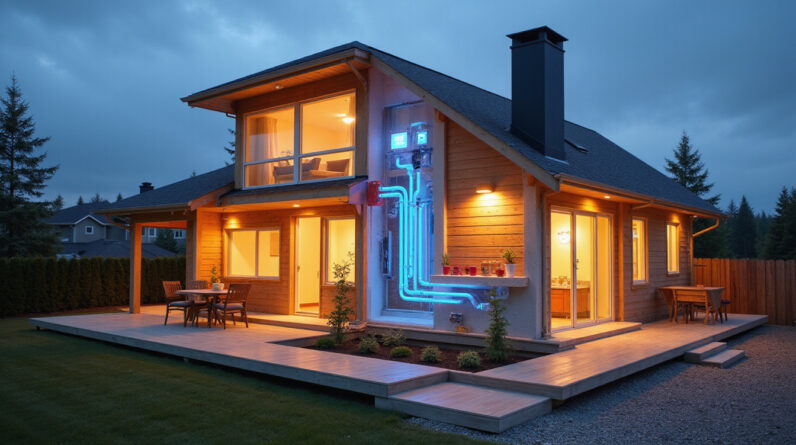
4. Focus on Energy Efficiency
Upgrading insulation, installing energy-efficient windows, and using Energy Star-rated appliances can lower utility bills and reduce your carbon footprint. According to the U.S. Department of Energy, proper insulation can reduce heating and cooling costs by up to 20% (source).
5. Add Smart Home Features
Integrate smart technology like programmable thermostats, automated lighting, and security systems to improve convenience and security.
Key Areas to Remodel for Maximum Impact
Certain parts of your home offer greater returns and functional improvements when remodeled.
Kitchen Remodel
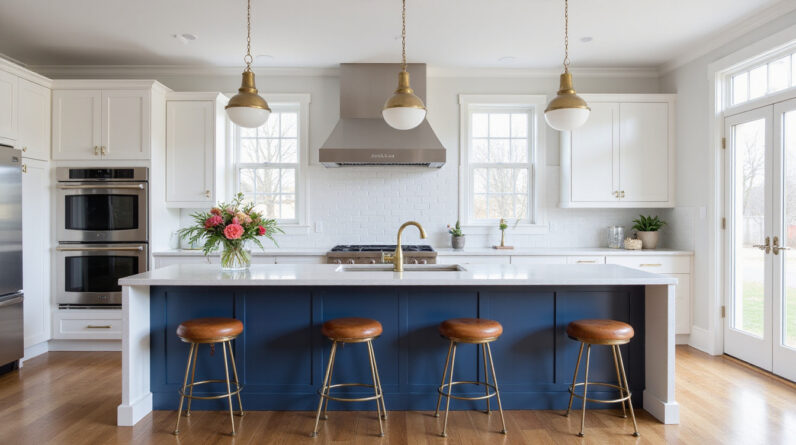
The kitchen is often called the heart of the home. Upgrading your kitchen improves both aesthetics and functionality.
- Install modern cabinetry with soft-close features
- Upgrade countertops with quartz or granite
- Add a kitchen island for extra workspace and storage
- Replace outdated appliances with energy-efficient models
Bathroom Renovation
Bathrooms are frequently remodeled to boost comfort and appeal.
- Update fixtures and faucets for a contemporary look
- Add walk-in showers or freestanding tubs
- Install new tiles that enhance the room’s style and durability
- Improve ventilation to prevent mold and mildew
Living Room and Bedroom Updates
Refresh these areas by repainting walls with soothing colors, replacing worn flooring, and installing built-in storage solutions to reduce clutter.
Home Remodeling Checklist: A Step-by-Step Guide
To streamline your project, here is a checklist you can follow:
- Define remodeling goals
- Establish budget and timeline
- Research materials and design ideas
- Hire contractors and obtain permits
- Demolish or clear existing areas if necessary
- Begin construction or installation phases
- Monitor progress and quality control
- Finalize finishes and clean the site
- Conduct walkthrough to identify issues
- Enjoy your remodeled space
Frequently Asked Questions About Home Remodeling
Q1: How much does a typical home remodeling project cost?
A1: Costs vary widely depending on the scope, materials, and labor rates. A minor remodel might cost several thousand dollars, while extensive renovations can reach tens of thousands or more.
Q2: How long does home remodeling usually take?
A2: The timeline depends on the project complexity. Small projects can take a few weeks, whereas complete home renovations might extend over several months.
Q3: Can I live in my house during remodeling?
A3: It depends on the extent of the remodel. For minor kitchen updates, living on-site may be manageable, but larger projects, especially those involving plumbing and electrical work, might require temporary alternative housing.
Conclusion: Take the First Step Toward Your Dream Home
Home remodeling offers a rewarding way to make your living space more beautiful, functional, and aligned with your lifestyle. By following expert tips and planning carefully, you can avoid common pitfalls and achieve excellent results. Whether you want a chef’s dream kitchen, a spa-like bathroom, or an energy-efficient home, your remodeling vision is within reach. Start your project today and transform your house into the home you’ve always wanted!
Ready to bring your remodeling ideas to life? Consult with trusted professionals and begin planning your dream space now!