

Embarking on a home remodeling project is an exciting opportunity to breathe new life into your living space. However, the idea of remodeling can often feel overwhelming, especially when you’re worried about breaking the bank. Fortunately, there are many practical and cost-effective ways to renovate your home without sacrificing style or quality. In this article, we’ll share expert home remodeling tips that will help you transform your space while staying within your budget.

Why Home Remodeling Matters
Home remodeling not only improves the aesthetic appeal of your home but can also increase its market value. Whether you’re planning to sell your home in the near future or simply want to create a more comfortable living environment, remodeling allows you to customize your space to better fit your lifestyle. From small updates like new fixtures to more significant changes such as kitchen renovations, every improvement counts.
Set a Realistic Budget and Stick to It
One of the most important tips for a successful home remodeling project is setting a realistic budget from the outset. Before you begin, evaluate how much you can afford to spend and allocate funds thoughtfully across various aspects of the project:
- Material costs
- Labor expenses
- Permits and inspections
- Unexpected contingencies
Tracking expenses carefully throughout the process prevents overspending and helps you make informed decisions about where to invest money for the greatest impact.
Focus on High-Impact Areas
If you’re remodeling on a budget, prioritize areas of your home that offer the highest return on investment and visual appeal. Some high-impact areas include:
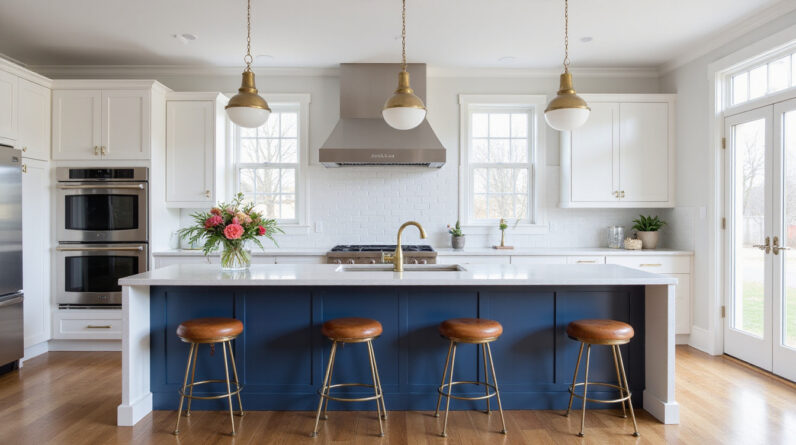
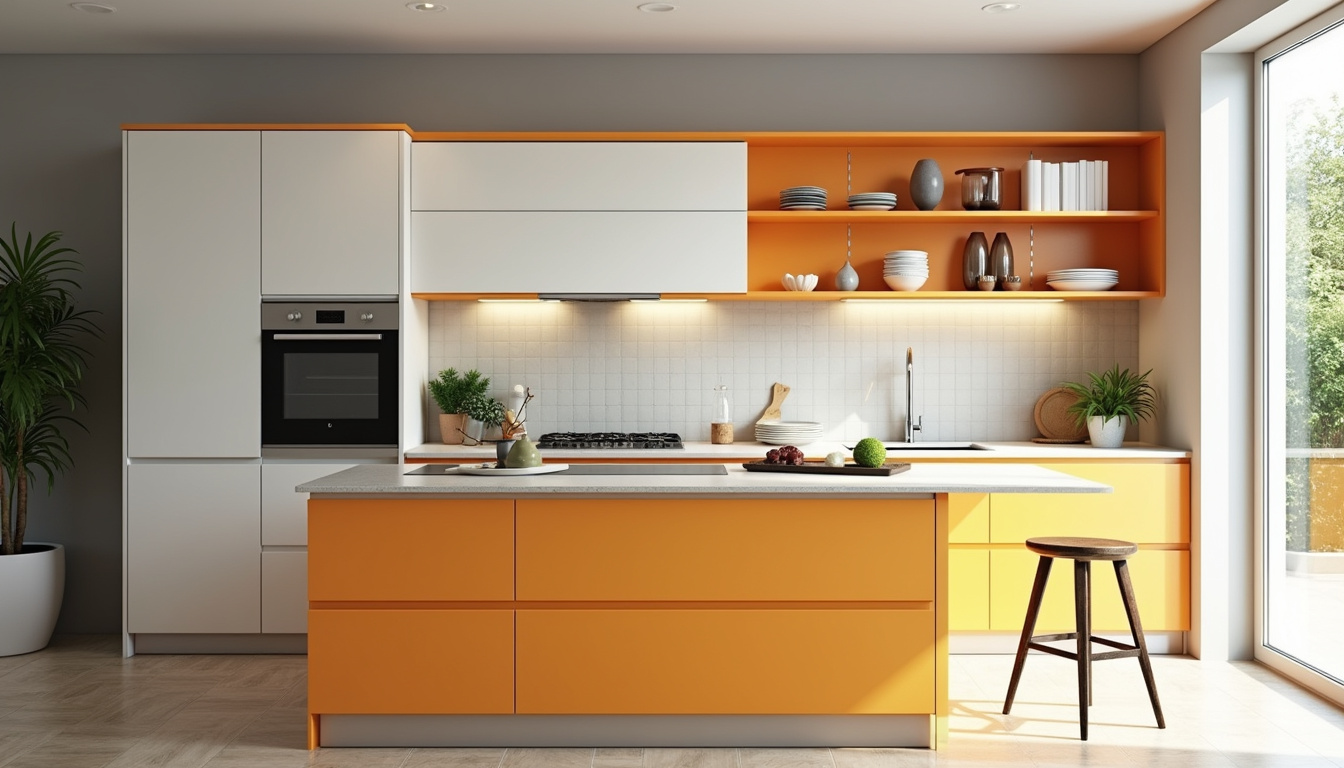
- Kitchen: Updating cabinets, countertops, or appliances can dramatically improve the room’s functionality and look.
- Bathroom: A fresh coat of paint, new fixtures, or modern lighting can transform an outdated bathroom.
- Living Spaces: Adding a fresh coat of paint, replacing flooring, or updating lighting fixtures enhances the overall ambiance.
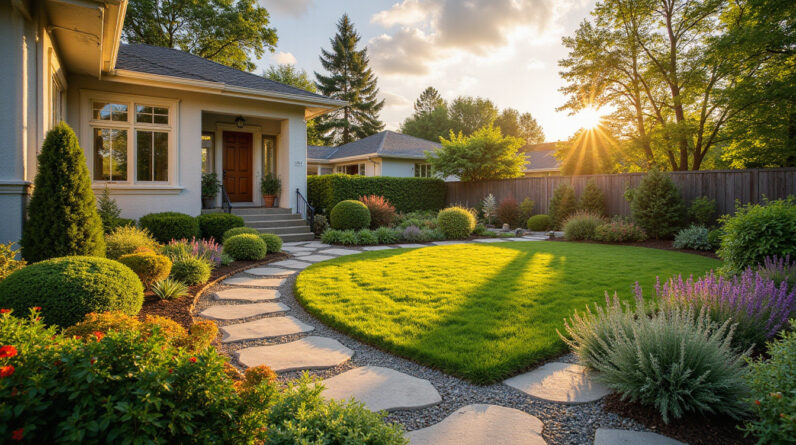
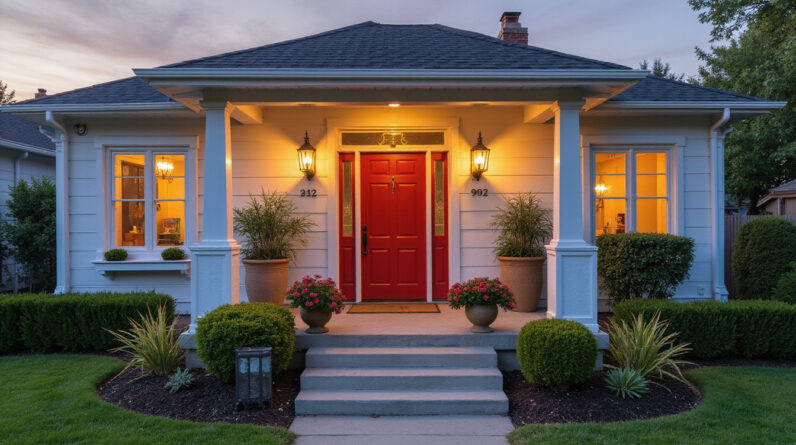
- Curb Appeal: Improving your home’s exterior, such as landscaping or front door replacement, adds value and charm.
Prioritizing these spaces ensures that your home remodeling efforts provide both enjoyment and increased property value.
Choose Cost-Effective Materials and Finishes
Home remodeling doesn’t require extravagant materials to look luxurious. Consider these cost-effective alternatives that mimic high-end finishes:
- Laminate or vinyl flooring instead of hardwood
- Quartz or high-quality laminate countertops rather than marble
- Cabinets refaced or painted instead of replaced
- Energy-efficient LED lighting over designer fixtures
Investing in durable yet affordable materials helps maintain your budget without compromising aesthetics or function.
DIY Where Possible, Hire Professionals When Necessary
Taking on some remodeling tasks yourself can significantly reduce labor costs. Simple projects like painting walls, installing shelves, or updating hardware are achievable with a little effort and research. However, for complex tasks such as electrical work, plumbing, or structural changes, hiring licensed professionals ensures safety and compliance with local building codes.
Balancing DIY efforts with professional help protects your investment and preserves the quality and integrity of your remodeling project.
Maximize Space with Smart Design Solutions
In smaller homes or apartments, maximizing available space is crucial. Home remodeling can focus on creating a more open, functional layout without extensive construction. Try these design strategies:
- Use built-in storage solutions to reduce clutter
- Open up walls to create a seamless flow between rooms
- Incorporate multi-functional furniture or fold-away elements
- Utilize vertical space with shelving or loft-style additions
Smart design maximizes both the usability and the perceived size of your rooms.
Incorporate Energy Efficiency Upgrades
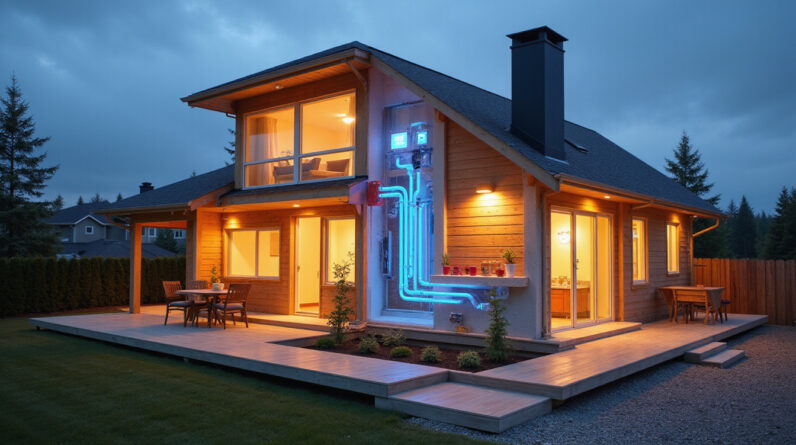
Upgrading your home with energy-efficient features during remodeling adds long-term savings to the mix. Consider installing:
- Double-pane windows for better insulation
- Energy Star-rated appliances
- Programmable thermostats
- LED lighting
Not only will these upgrades reduce utility bills, but they can also qualify you for rebates or tax incentives, offsetting upfront costs. According to the U.S. Department of Energy, incorporating energy efficiency in home improvements is one of the best ways to enhance comfort and value (source).
Stay Flexible and Plan for the Unexpected
No matter how detailed your plans are, remodeling projects often come with surprises. Plumbing issues, hidden damage, or material delays can add complexity. Build a contingency fund of about 10-15% of your budget to cover unexpected expenses. Staying flexible and adaptable helps reduce stress and keeps your project on track.
Home Remodeling Tips Summary
To recap, here are the essential home remodeling tips for transforming your space affordably:
- Set a clear, realistic budget
- Identify and prioritize high-impact remodeling areas
- Choose budget-friendly materials that look great
- Mix DIY work with professional services strategically
- Use smart design to maximize space
- Incorporate energy-efficient upgrades
- Prepare for the unexpected with contingency funds
By following these guidelines, you can renovate your home beautifully without overspending or compromising on quality.
Frequently Asked Questions about Home Remodeling
Q1: How much does home remodeling typically cost?
Home remodeling costs vary widely depending on scope, materials, and location. On average, homeowners spend between $15,000 and $50,000 for moderate remodels, with smaller projects costing less. Planning a detailed budget upfront is essential.
Q2: What are the most cost-effective home remodeling projects?
Projects like painting, resurfacing cabinets, upgrading lighting or hardware, and enhancing curb appeal generally offer high returns for lower costs.
Q3: Can I do home remodeling without permits?
Some minor updates might not require permits, but significant electrical, plumbing, structural, or major modifications usually do. Check local regulations to ensure compliance and safety.
Take the First Step to Your Dream Home Today
Transforming your home doesn’t have to be an overwhelming or expensive process. Using these home remodeling tips, you can breathe fresh life into your space, improve functionality, and boost your home’s value—all without breaking the bank. Start by planning carefully, focusing on high-impact changes, and embracing creativity within your budget. Whether you’re looking for a simple refresh or a full makeover, your dream home is closer than you think. Ready to take the next step? Begin your home remodeling journey today and watch your vision come to life!