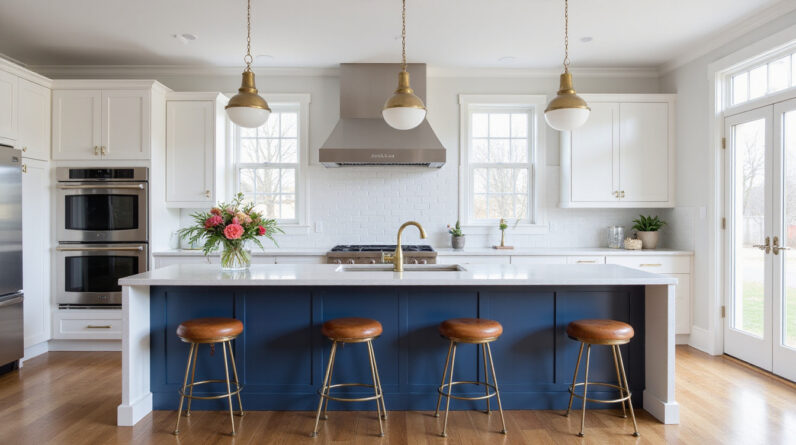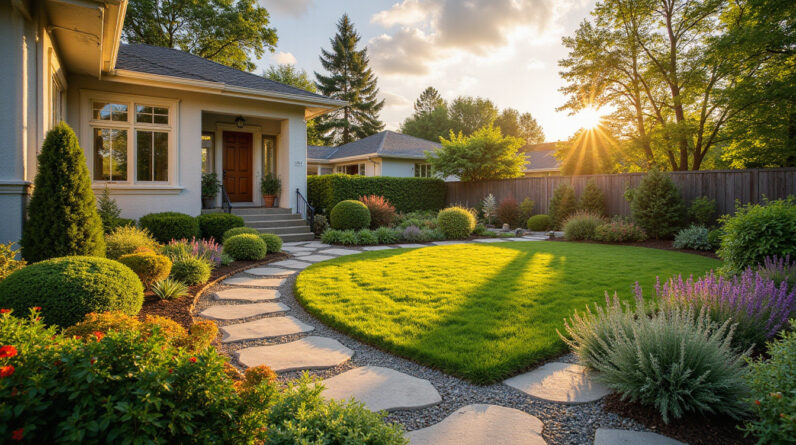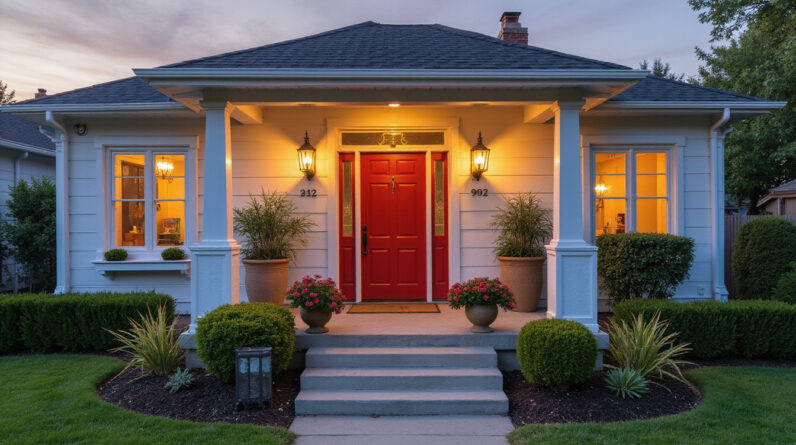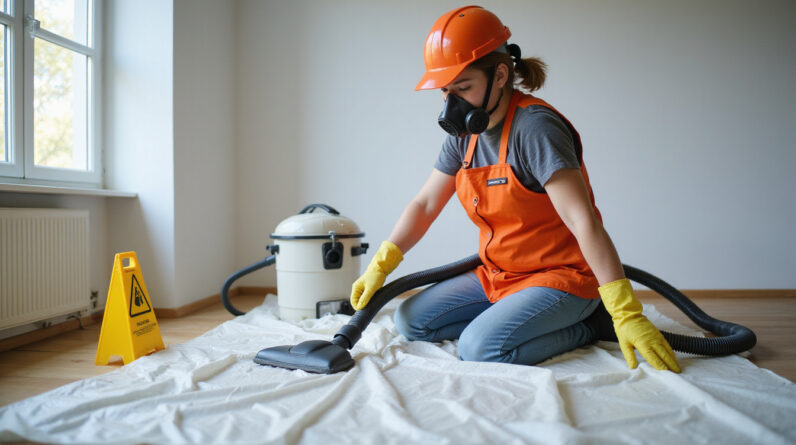


Home restoration is a rewarding process that breathes new life into your living space, making it more comfortable, visually appealing, and valuable. Whether you’ve purchased an older home, are dealing with wear and tear, or simply want to revitalize your current property, expert tips can guide you through a successful home restoration. In this article, we explore practical advice to help you transform your space effectively while preserving its character and charm.

Understanding Home Restoration: What It Means for Your Space
Home restoration involves repairing, renovating, and preserving elements of a house, especially older properties, to restore them to their original condition or improve their functionality. Unlike simple remodeling, restoration strives to maintain the architectural integrity and historical value of a home. This process often requires a balance between modern upgrades and preserving original features such as moldings, flooring, or brickwork.
Whether you aim to restore a historic property or simply update aging elements, the right approach can significantly enhance your home’s appearance and comfort. Early planning and attention to detail are key factors in a successful home restoration.
Key Benefits of Home Restoration
- Enhanced aesthetic appeal: Restored homes often showcase stunning craftsmanship and distinctive design elements.
- Increased property value: Thoughtful restoration can boost your home’s market value.
- Energy efficiency improvements: Upgrading insulation, windows, and HVAC systems during restoration saves energy and reduces costs.
- Preserving historical significance: Especially important for older homes in historic districts.
- Customized living space: Restore with your tastes and needs in mind.
Essential Steps to a Successful Home Restoration
1. Conduct a Comprehensive Home Inspection
Before beginning any restoration project, a thorough inspection is crucial. This will uncover structural issues, water damage, electrical problems, and areas needing immediate attention. Hiring a licensed inspector or a contractor with restoration experience can help ensure no detail is overlooked.
2. Develop a Clear Plan and Budget
Once you understand the scope of the work, create a restoration plan detailing what needs to be done, the timeline, and costs. A realistic budget should include contingency funds for unexpected issues—which are common in older homes.
3. Prioritize Structural Repairs
Safety comes first. Addressing foundation problems, roof leaks, or compromised support beams early will prevent further damage and lay a strong foundation for your restoration.
4. Restore or Replace Utilities and Systems
Old wiring, plumbing, and HVAC systems often require upgrades to meet current codes and efficiency standards. Modernizing these systems improves safety, comfort, and energy savings.
5. Preserve Original Features When Possible
Retaining original hardwood floors, built-in cabinetry, decorative trim, and brickwork maintains your home’s unique character. When restoration isn’t feasible, opt for materials and designs that closely match the originals.
6. Update Aesthetics Thoughtfully
While restoring, you have the chance to refresh paint, lighting, and fixtures. Choose colors and styles that complement your home’s era and architecture.
7. Consider Energy Efficiency Upgrades
Incorporate insulation improvements, energy-efficient windows, and modern appliances to lower utility bills and increase comfort.
Top Home Restoration Tips from the Experts
- Research your home’s history: Understanding the construction style and period can guide restoration choices.
- Use qualified professionals: Experienced architects, contractors, and craftsmen skilled in restoration ensure quality results.
- Communicate clearly: Maintain regular contact with your team to track progress and address concerns promptly.
- Be patient: Restoration takes time, especially when dealing with antique materials or custom work.
- Document your work: Keeping photos and records can be helpful for future maintenance or if you sell your home.
Must-Have Tools and Materials for Home Restoration Projects
- Safety gear (gloves, goggles, masks)
- Quality paintbrushes and rollers
- Sandpaper and sanding blocks
- Chisels and pry bars for delicate demolition
- Power tools (drill, sander)
- Wood filler and putty
- Sealants and primers
- Replacement wood or bricks matching existing materials
Frequently Asked Questions About Home Restoration
Q1: What is the average cost of home restoration?
The cost varies widely depending on the home’s size, condition, and restoration extent. Minor restorations may cost a few thousand dollars, while full-scale restorations can exceed tens of thousands. Planning and budgeting with professional advice is essential.
Q2: How long does a typical home restoration take?
Duration depends on the size and complexity of the project. Smaller restorations might take a few weeks, while larger or historic restorations can last several months or more.
Q3: Can I do home restoration myself, or should I hire professionals?
Some minor tasks like painting or simple repairs can be DIY, but it’s best to hire experienced professionals for structural work, electrical updates, and historical restorations to ensure safety and quality.
Conclusion: Transform Your Home with Confidence
Home restoration offers a unique opportunity to revive your property’s beauty and functionality while preserving its soul. By following expert guidance—conducting detailed inspections, prioritizing structural integrity, respecting original features, and selecting knowledgeable professionals—you can achieve a stunning transformation. Whether restoring a historic gem or upgrading an older house, the right approach will result in a comfortable, energy-efficient, and charming home.

Ready to begin your home restoration journey? Take the first step by consulting with a local restoration expert who can tailor a plan to your home’s needs and your vision. Transform your space into the home you’ve always dreamed of with expert guidance and a thoughtful restoration plan.
For more tips and detailed guidance, explore resources at the National Trust for Historic Preservation, an authoritative source in home restoration and preservation (source). Start your restoration project today and enjoy the beautiful results for years to come!