

Undertaking a house remodeling project can be both exciting and overwhelming. Whether you’re updating a single room or planning a complete home transformation, having the right guidance makes all the difference. In this article, we’ll share essential house remodeling tips to help you transform your space effortlessly and achieve a home that reflects your style and meets your needs.

Why House Remodeling Matters
House remodeling is more than just changing paint colors or swapping out furniture; it’s about enhancing the functionality, aesthetics, and value of your home. A well-planned remodel can improve your daily living experience, increase energy efficiency, and potentially boost your home’s resale value. According to the National Association of Home Builders, remodeling projects can yield a significant return on investment, especially in kitchens and bathrooms (source).
Start With a Clear Plan
One of the most important house remodeling tips is to begin with a solid plan. Without a clear vision and realistic goals, projects can quickly stall or exceed budget.
- Assess Your Needs: Identify what you want to achieve. Is it more space, better flow, or modern finishes?
- Set a Budget: Determine how much you can spend upfront and allocate funds for unexpected expenses.
- Create a Timeline: Establish reasonable start and completion dates to keep the project on track.
- Consult Professionals: Engage with architects, designers, or contractors early to refine your ideas and receive expert input.
Planning thoroughly helps ensure your remodel progresses smoothly and your expectations are met.
Prioritize Functional Upgrades
While aesthetics are important, functionality should never be overlooked in house remodeling. Enhancing how your home works for your lifestyle delivers long-term satisfaction.
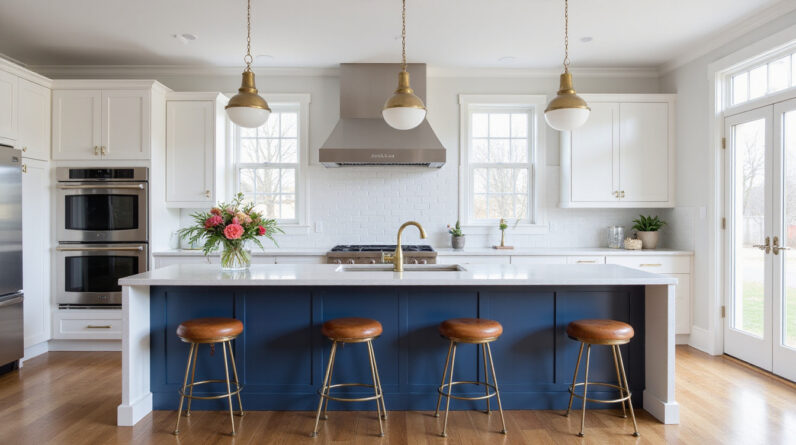
- Kitchen Improvements: Consider upgrading appliances, improving storage with pull-out shelves, or expanding counter space.
- Bathroom Renovations: Focus on efficient fixtures, adding double sinks, or installing walk-in showers.
- Open Floor Plans: Removing unnecessary walls can boost natural light and create an inviting atmosphere.
- Energy Efficiency: Replace windows, add insulation, or install programmable thermostats to lower utility bills.
By focusing on these practical upgrades, you improve daily convenience and add substantial value.
Choose Quality Materials Wisely
Selecting the right materials is a critical aspect of any house remodeling project. Durable, high-quality materials may cost more initially but pay off through longevity and better appearance.
- Flooring: Hardwood, porcelain tiles, or engineered vinyl can offer both style and durability.
- Countertops: Quartz or granite resist scratches and stains better than laminate.
- Lighting: Incorporate layered lighting – ambient, task, and accent – to enhance mood and functionality.
- Cabinetry: Solid wood cabinets stand up better to wear and tear than particleboard options.
Investing in quality ensures your remodeled spaces remain beautiful and functional for years to come.

Incorporate Smart Home Features
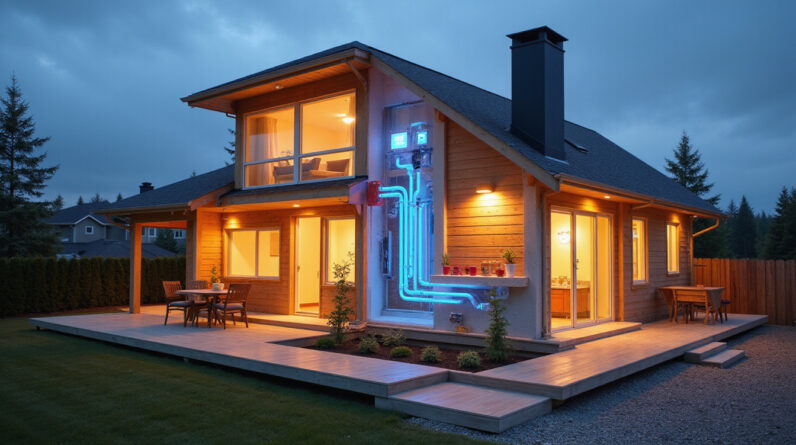
Modern house remodeling increasingly embraces smart technology to create more convenient and secure environments.
- Smart Thermostats: Control temperature remotely and save energy.
- Security Systems: Cameras and sensors connected to mobile devices improve home safety.
- Automated Lighting: Use voice commands or apps to adjust lighting based on your needs.
- Smart Appliances: Refrigerators, ovens, and washers with smart features add efficiency.
Integrating smart technologies not only enhances your lifestyle but also can increase home appeal.
Use Color and Design to Reflect Your Style
Nothing transforms a home like the right use of colors and design elements. Whether your taste is traditional, contemporary, or eclectic, let your personality shine through your remodeling choices.
- Wall Colors: Lighter colors can open up space, while accent walls add depth and interest.
- Textiles: Rugs, throws, and cushions provide texture and warmth.
- Furniture: Choose pieces that complement your layout and décor style.
- Artwork and Accessories: Personal touches make your house feel like a true home.
Thoughtful design choices combined with a cohesive color palette create inviting, personalized living spaces.
Manage the Remodeling Process Smoothly
Keeping a house remodeling project on track requires effective management and communication.
- Stay Organized: Keep detailed records of contracts, receipts, and correspondence.
- Regular Check-Ins: Meet weekly or biweekly with your contractor to review progress.
- Prepare for Disruptions: Anticipate temporary inconveniences and plan accordingly.
- Inspect Work: Verify that completed work matches quality and design expectations.
- Adapt Flexibly: Be prepared to resolve unexpected challenges with an open mind.
Proactive management minimizes stress and helps deliver results aligned with your vision.
House Remodeling Checklist
To help you navigate your home transformation, here’s a concise house remodeling checklist:
- Define your goals and must-haves.
- Set a realistic budget with contingency funds.
- Research and hire qualified professionals.
- Obtain necessary permits and approvals.
- Design functional layouts and select materials.
- Choose paint colors, fixtures, and finishes.
- Schedule demolition and construction phases.
- Monitor progress and communicate openly.
- Perform final inspections and touch-ups.
- Celebrate your new space!
Frequently Asked Questions About House Remodeling
Q1: How long does a typical house remodeling project take?
The duration varies based on scope. Minor remodels may take a few weeks, while complete home renovations can last several months. Planning your timeline with your contractor helps set expectations.
Q2: What is the average cost of house remodeling?
Costs depend on the size, materials, and labor required. On average, homeowners spend between $15,000 to $70,000, but luxury projects can exceed this. It’s crucial to budget carefully and get multiple quotes.
Q3: Should I hire a contractor or DIY house remodeling?
For complex projects involving plumbing, electrical, or structural changes, hiring licensed contractors is recommended to ensure safety and code compliance. DIY can be appropriate for cosmetic updates like painting or decorating.
Conclusion: Take the First Step Toward Your Dream Home
House remodeling doesn’t have to be a stressful ordeal. By following these tips—from planning and prioritizing functionality to selecting quality materials and managing the process—you’re setting yourself up for a seamless transformation. Your home should be a reflection of who you are and how you want to live. Start today by envisioning your ideal space and taking that first step toward making it a reality. Ready to elevate your living environment? Begin your house remodeling journey with confidence and enjoy the remarkable results for years to come!