

If you want to reduce monthly bills and enjoy a more consistent home temperature, start with smart HVAC upgrades. The right changes—ranging from a programmable thermostat to duct sealing—can cut energy use, boost comfort, and pay back quickly. This guide walks through the most effective improvements you can make today, how they work, and what to prioritize based on your budget and goals.

Why HVAC upgrades pay off fast
Heating, ventilation, and air conditioning equipment consumes a large portion of a typical household’s energy. Small improvements or strategic replacements often produce outsized savings because they target where energy is actually lost: inefficient equipment, leaky ducts, or poor control systems. Beyond dollars, upgrades reduce hot and cold spots, lower humidity levels, and improve indoor air quality—making your living space healthier and more comfortable.
High-impact HVAC upgrades that deliver immediate results
Focus first on changes that give quick wins—low cost, fast installation, and visible benefits.
- Programmable or smart thermostat
- Replaces manual thermostats, allowing temperature schedules and remote control.
- Can reduce heating and cooling costs by up to 10–12% when used properly.
- Smart models adapt to occupancy patterns and integrate with weather forecasts.
- Upgrade to a high-efficiency HVAC unit
- Look for ENERGY STAR-rated systems or those with higher SEER (cooling) and AFUE/EER (heating) ratings.
- Modern systems run more efficiently and often provide better humidity control and quieter operation.
- Duct sealing and insulation
- Leaky ducts can waste 20–30% of conditioned air, especially in attics, crawl spaces, or basements.
- Sealing and adding insulation restores system efficiency and balances comfort across rooms.
- Zone control systems
- Divide your home into separately controlled areas so you aren’t conditioning unoccupied rooms.
- Zoning reduces runtime and can extend equipment life.
- Airflow improvements: filters, blower motors, and vents
- A clean filter and properly adjusted blower reduce energy use and improve airflow.
- Upgrading to a variable-speed blower motor lets the system run efficiently at partial loads.
- Improve building envelope (insulation, windows, weatherstripping)
- While not strictly HVAC hardware, a tighter envelope reduces load on your system and enhances all other upgrades.
Quick checklist: What to inspect before upgrading
- Current system age and efficiency rating.
- Frequency of repairs and refrigerant type.
- Duct condition and insulation levels.
- Thermostat type (manual vs. programmable vs. smart).
- Comfort complaints (humidity, hot/cold spots, noise).
How smart controls change the game
Smart thermostats are among the fastest ways to see savings without a major overhaul. They learn household patterns, reduce unnecessary runtime, and can be controlled remotely. When combined with occupancy sensors and geofencing, they ensure the system runs only when needed. For homes with variable schedules, a smart control often pays for itself within a year.
Energy-efficient equipment: buy the right match
Replacing an old HVAC unit with a high-efficiency model yields significant gains, but match the system to your home’s needs. Oversized systems cycle on and off too frequently, decreasing efficiency and comfort. A reputable contractor should perform a Manual J load calculation to size the equipment correctly. Consider features such as two-stage compressors or variable-speed motors for better efficiency and humidity control.
Ductwork: the often-overlooked savings source
Duct leaks and poor routing undermine even the best equipment. Sealing ducts with mastic or foil tape, insulating them in unconditioned spaces, and ensuring balanced airflow can cut wasted energy and eliminate cold spots. Homes with long duct runs or ducts in the attic often see the biggest gains from duct improvements.
Maintenance and tune-ups: small cost, big payoff
Regular HVAC maintenance keeps systems running at peak efficiency. Annual tune-ups include cleaning coils, checking refrigerant levels, lubricating moving parts, and testing controls. According to the U.S. Department of Energy, regular maintenance can reduce HVAC energy use by an estimated 5–15% and prolong equipment life (https://www.energy.gov/energysaver/maintaining-your-hvac-system) (source).
Simple DIY upgrades with immediate impact
- Replace disposable filters every 1–3 months.
- Seal gaps around windows and doors.
- Install ceiling fans to allow higher thermostat setpoints in summer.
- Use window coverings to reduce solar heat gain.
- Clean vents and returns to ensure unobstructed airflow.
Cost vs. savings: what to expect
Upfront costs vary: smart thermostats are inexpensive, duct sealing and maintenance are moderate, and full system replacements are the largest investment. Payback periods depend on local energy prices, existing system condition, and how well you operate the system after upgrades. Typical payback examples:

- Programmable thermostat: 6–12 months
- Duct sealing and insulation: 1–3 years
- High-efficiency system replacement: 5–15 years (shorter if incentives are available)
Finding incentives and rebates
Many utilities and governments offer rebates for energy-efficient HVAC upgrades, including heat pumps, high-SEER units, and smart thermostats. Check state energy offices or your utility provider for current programs; incentives can substantially reduce your net cost.
Choosing a contractor: questions to ask
- Are you licensed and insured?
- Will you perform a Manual J load calculation?
- Can you show equipment efficiency ratings and expected savings?
- Do you offer a written warranty on parts and labor?
- Will you provide a clear project estimate and timeline?
Top mistakes to avoid
- Replacing equipment without addressing duct or envelope issues.
- Choosing an oversized system.
- Skipping a proper load calculation.
- Ignoring simple maintenance that preserves efficiency.
Bulleted list: Priority actions to reduce bills and boost comfort now
- Install a programmable or smart thermostat.
- Change filters and schedule annual tune-ups.
- Seal and insulate ducts in unconditioned spaces.
- Add insulation and weatherstripping where needed.
- Replace old equipment with high-efficiency models if repairs are frequent.
FAQ
Q: How often should I service my HVAC system?
A: Service your HVAC system at least once a year—ideally twice if you use both heating and cooling heavily. Regular HVAC maintenance keeps efficiency high, prevents small issues from becoming major repairs, and maintains manufacturer warranties.
Q: Will an HVAC upgrade really lower my energy bills?
A: Yes. An HVAC upgrade—whether a smart thermostat, duct sealing, or a high-efficiency system—reduces wasted energy and improves performance. The exact savings depend on current system condition, but many homeowners see significant monthly reductions, especially when combining multiple upgrades.
Q: What’s the difference between an HVAC system and a heat pump?
A: HVAC is the umbrella term for heating, ventilation, and air conditioning systems. A heat pump is a type of HVAC equipment that transfers heat rather than generating it via combustion, often providing efficient heating and cooling in moderate climates.
Final considerations before you act
Prioritize upgrades based on your pain points: if rooms are unevenly heated, focus on ducts and zoning; if energy bills are unusually high, start with insulation and thermostat controls; if repairs are frequent, consider equipment replacement. Combine improvements when possible—pairing duct sealing with a new thermostat or insulating the attic during system replacement multiplies benefits.
Call to action
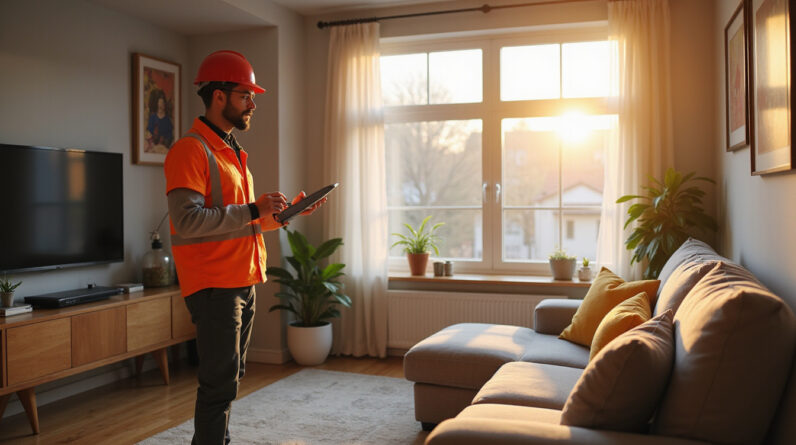
Ready to lower your energy bills and improve comfort without guesswork? Start with a professional assessment that includes a load calculation and duct inspection. If you’d like, I can help you create a prioritized action plan based on your home’s size, age, and comfort issues—tell me about your current system and biggest complaints, and I’ll recommend the most cost-effective HVAC upgrades for your situation.